
Last updated September 22, 2026
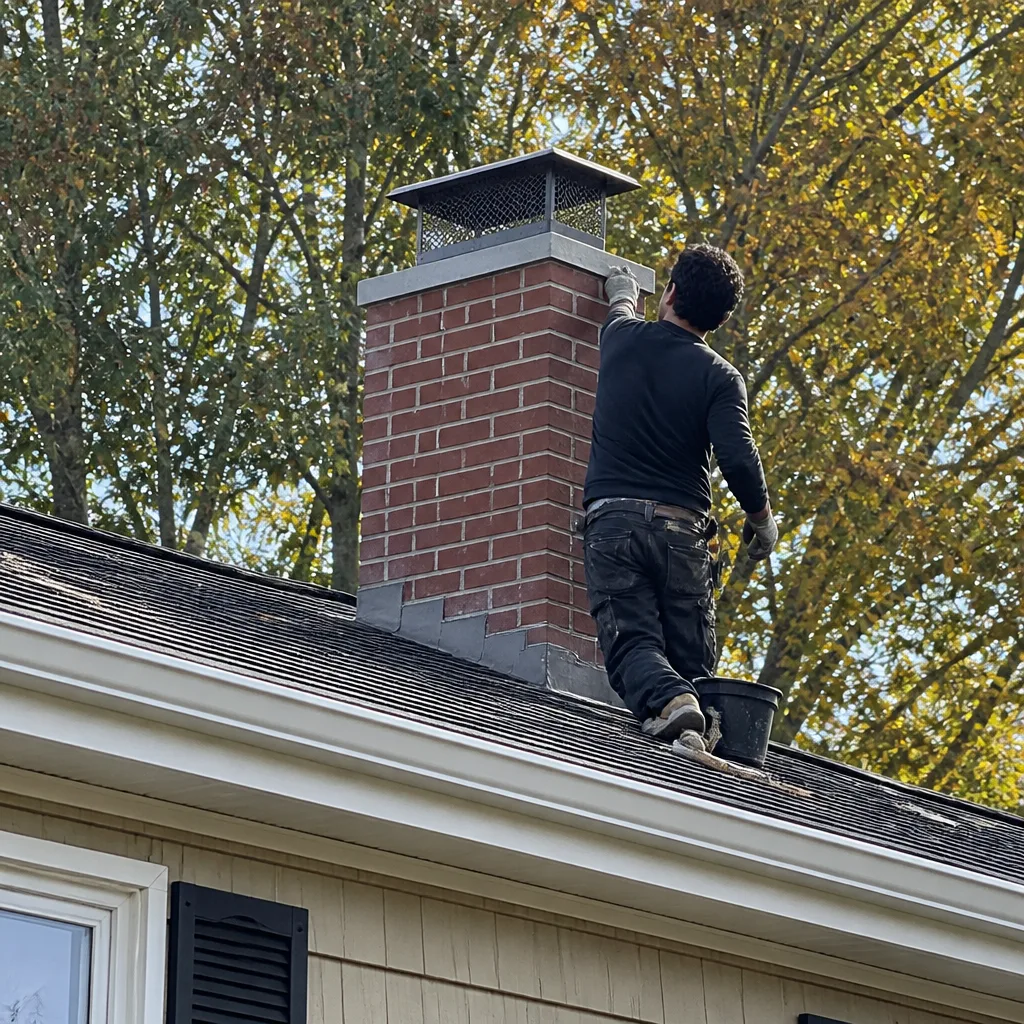
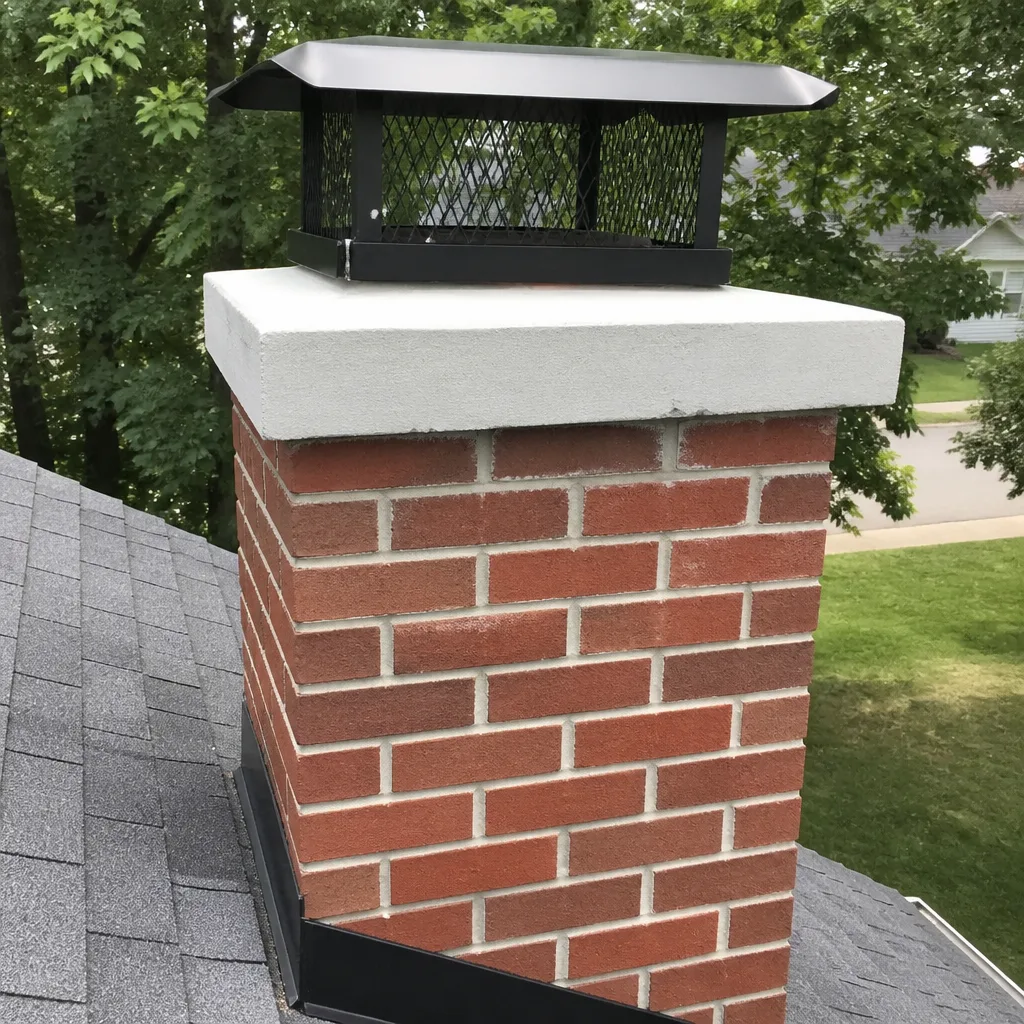
Level 1 sweep and inspection to the NFPA 211 annual standard - flue, crown, cap, and flashing checked and photographed
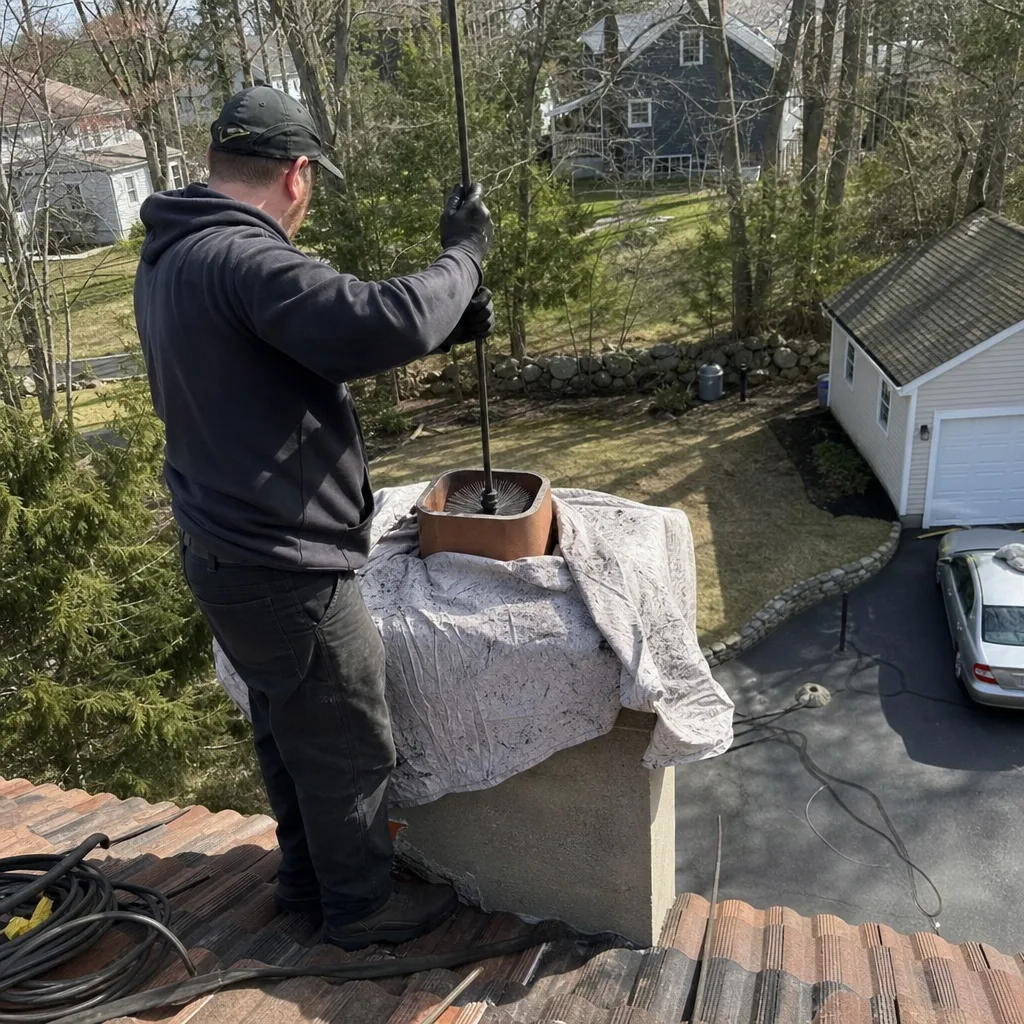
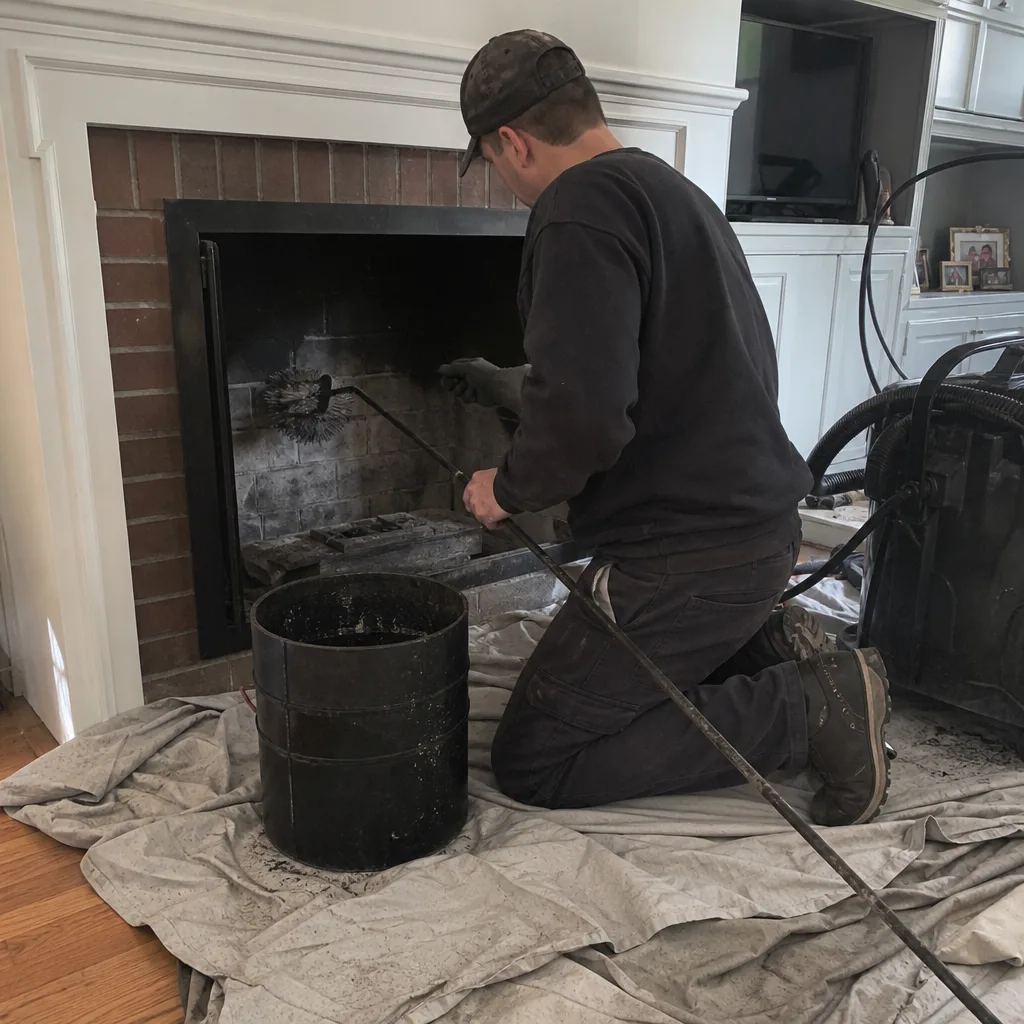
Chimney sweep logs do not sweep chimneys. They loosen some creosote - which then falls where a brush and vacuum still have to collect it.
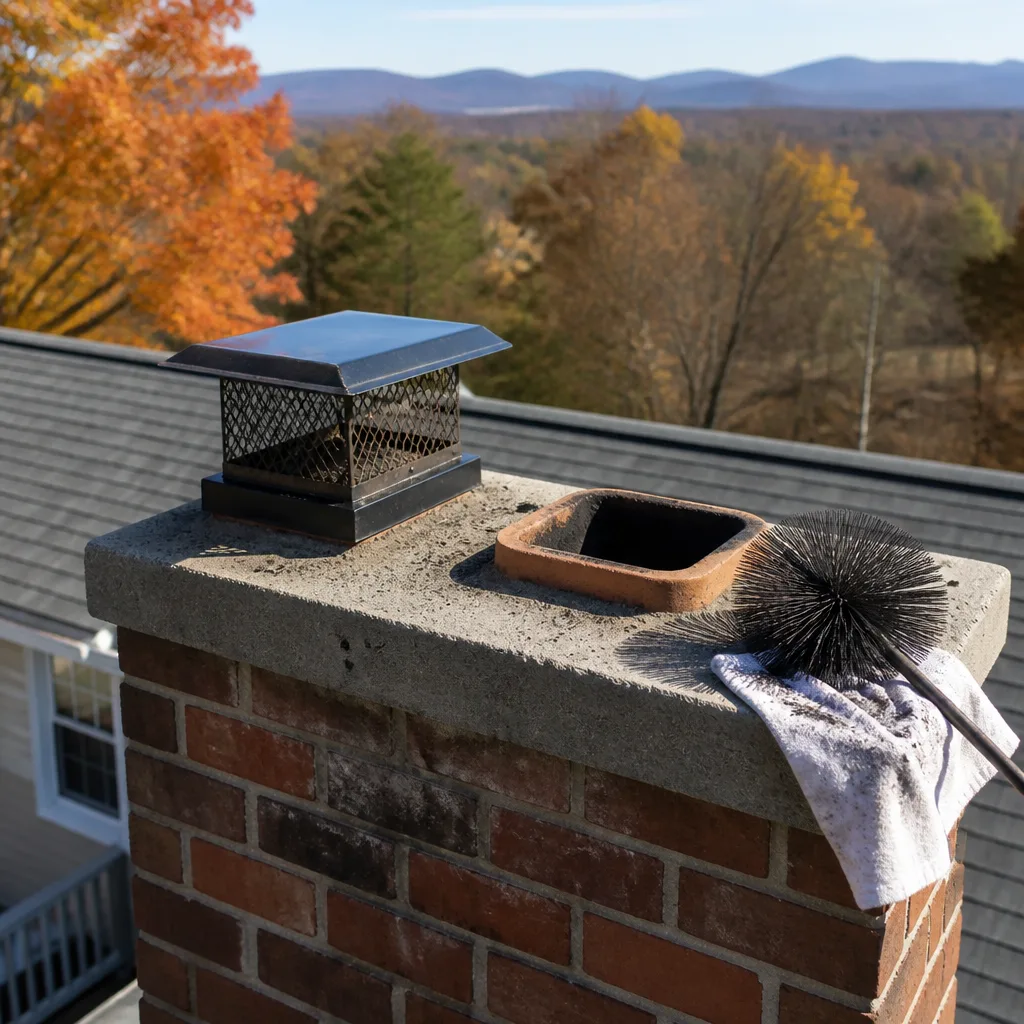
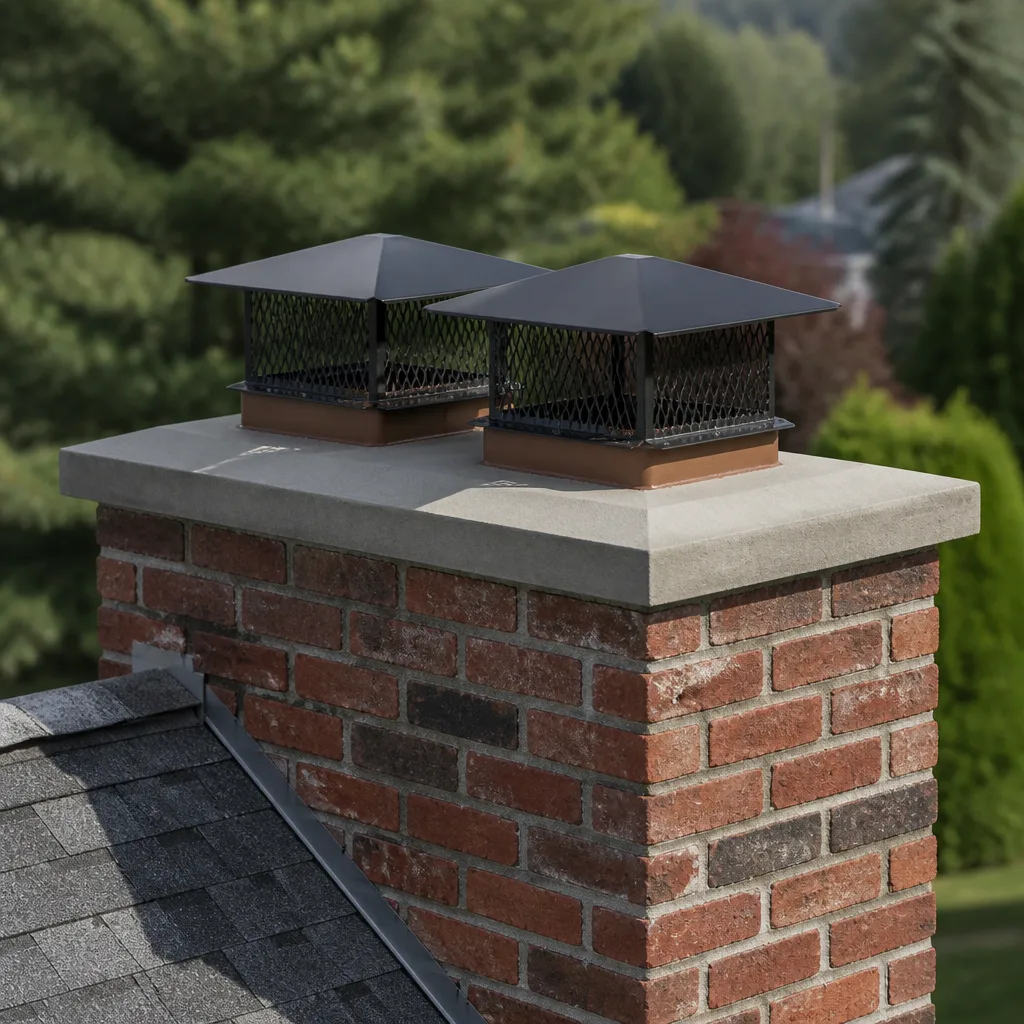
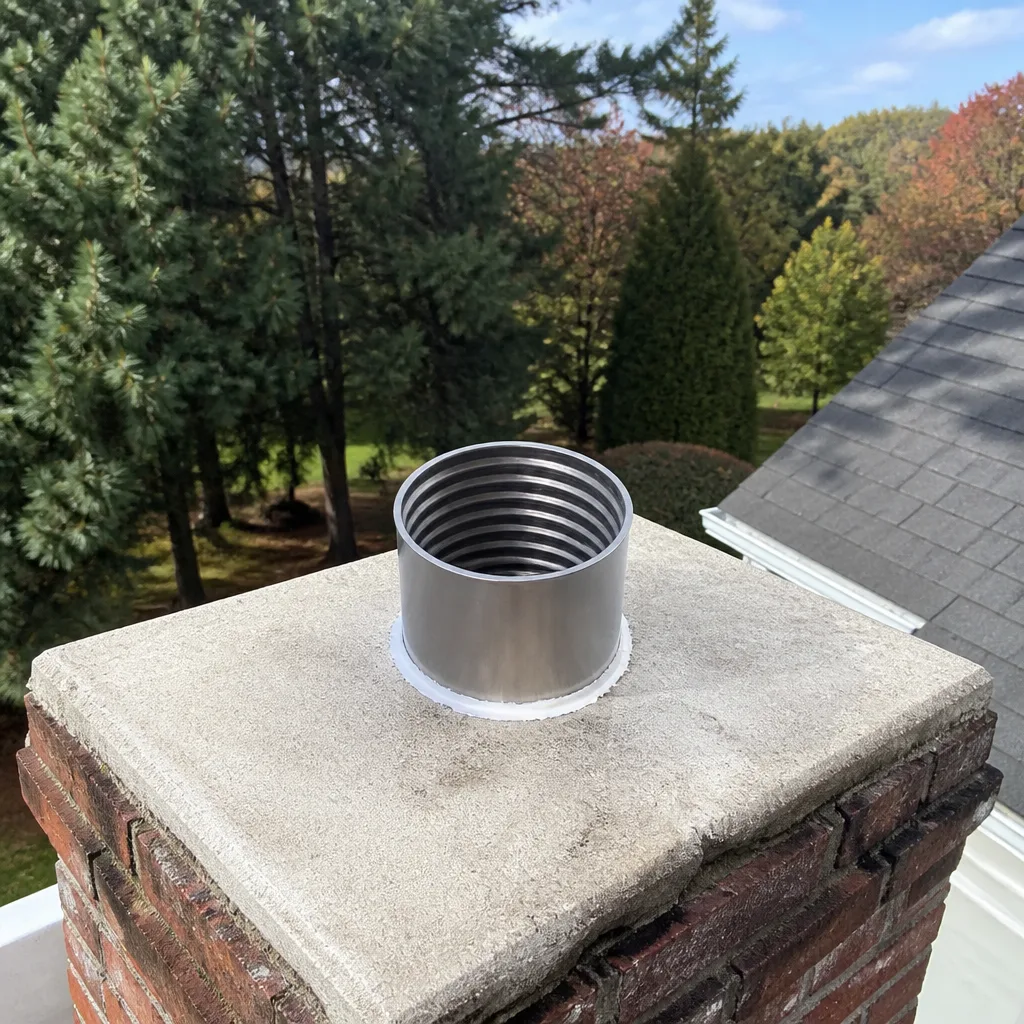
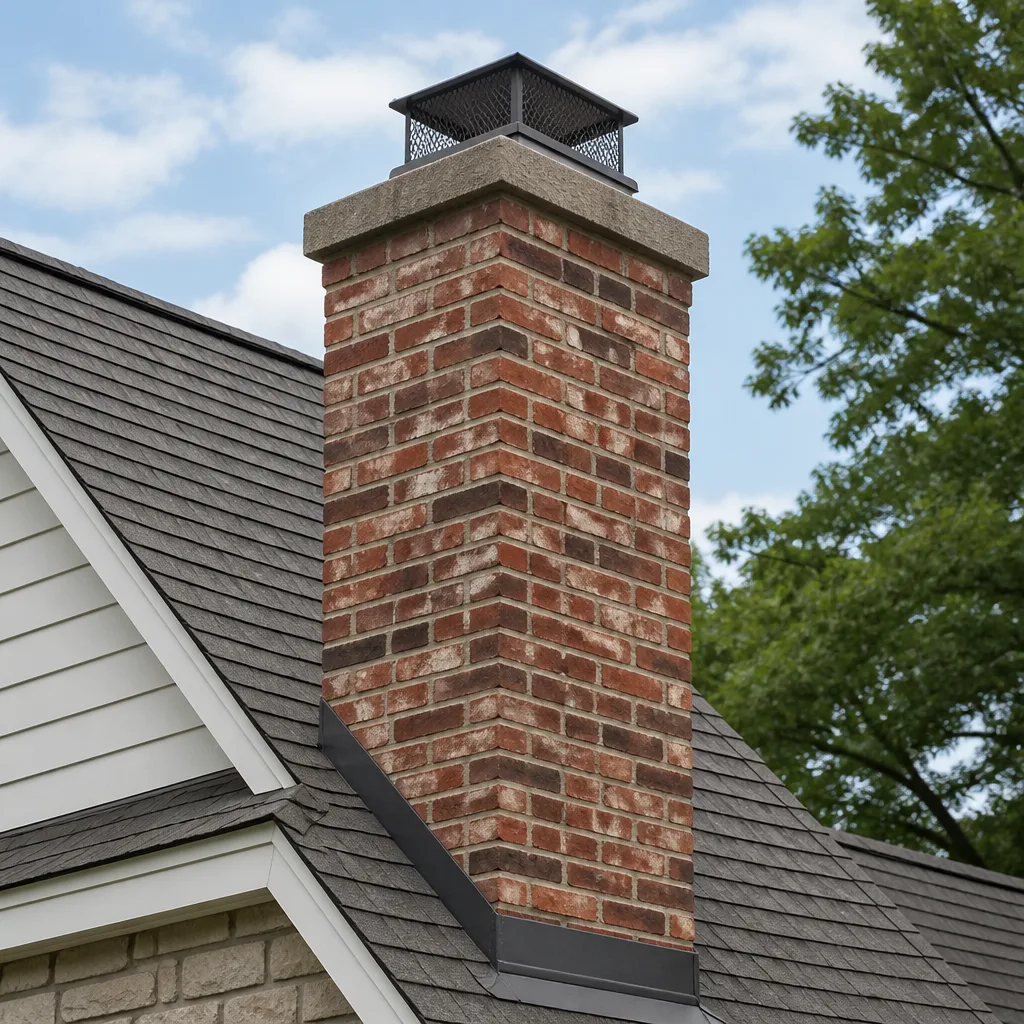
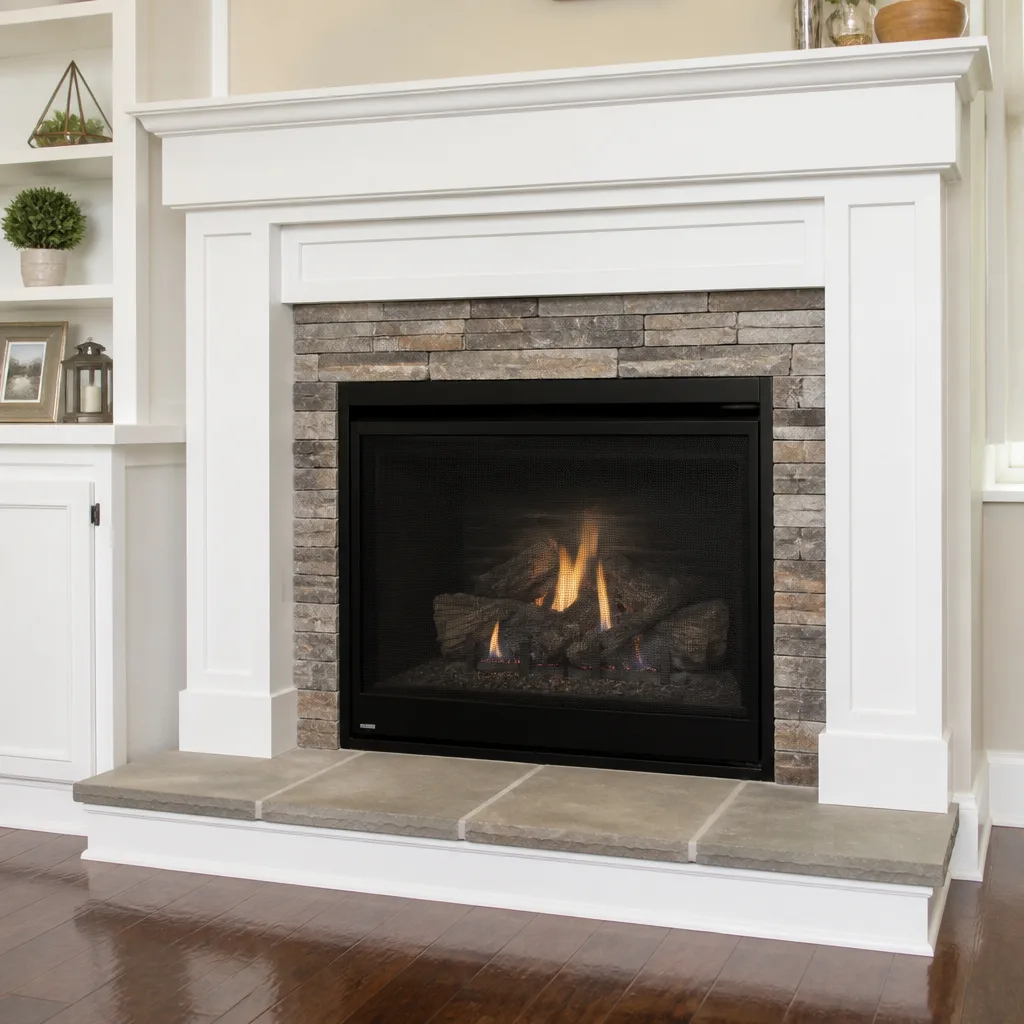
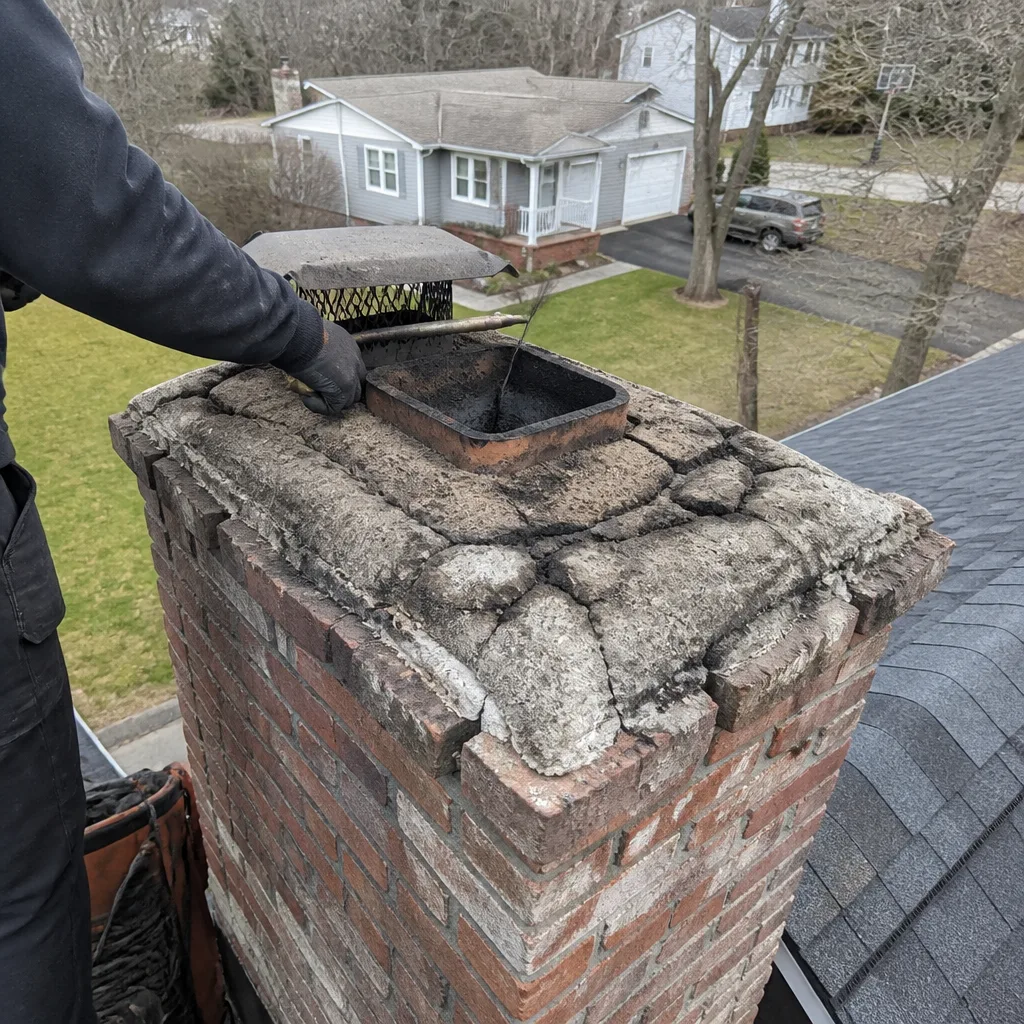 Before
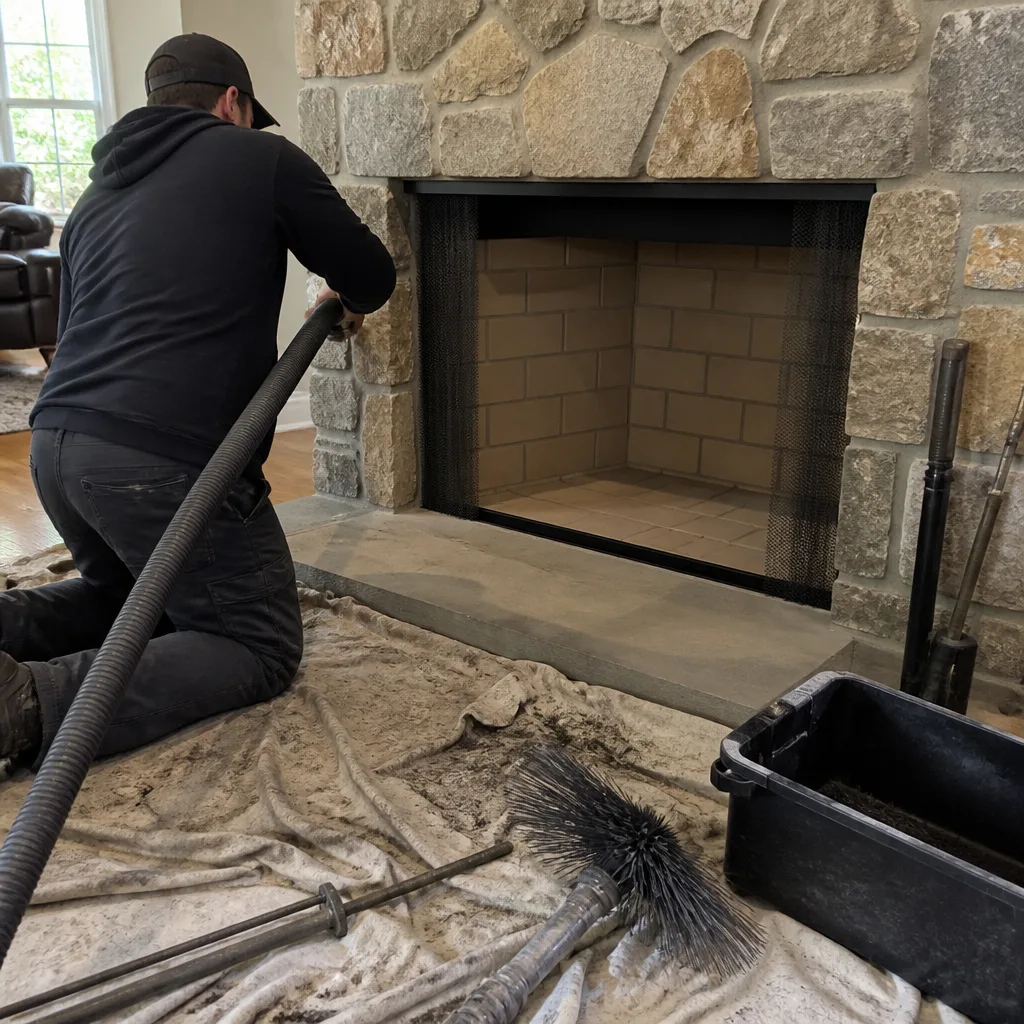 After
After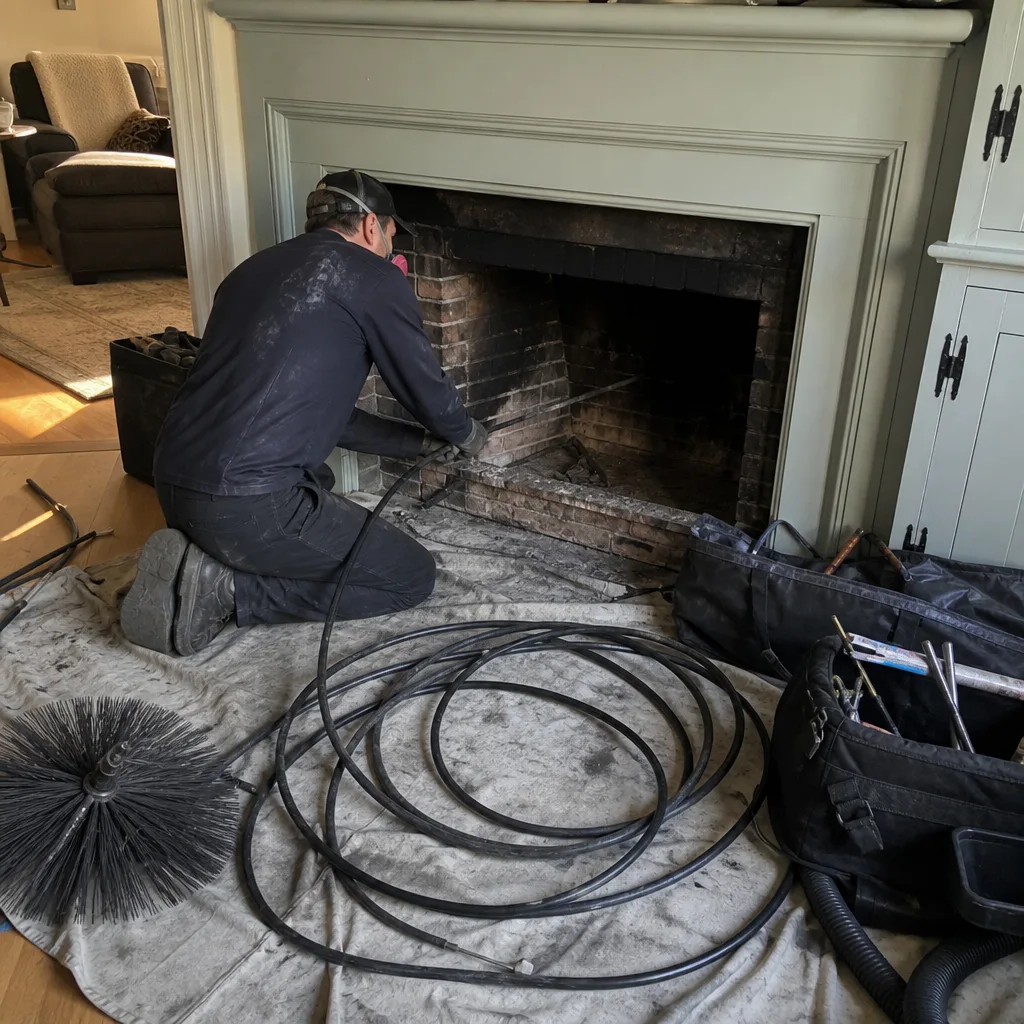 Before
 After
After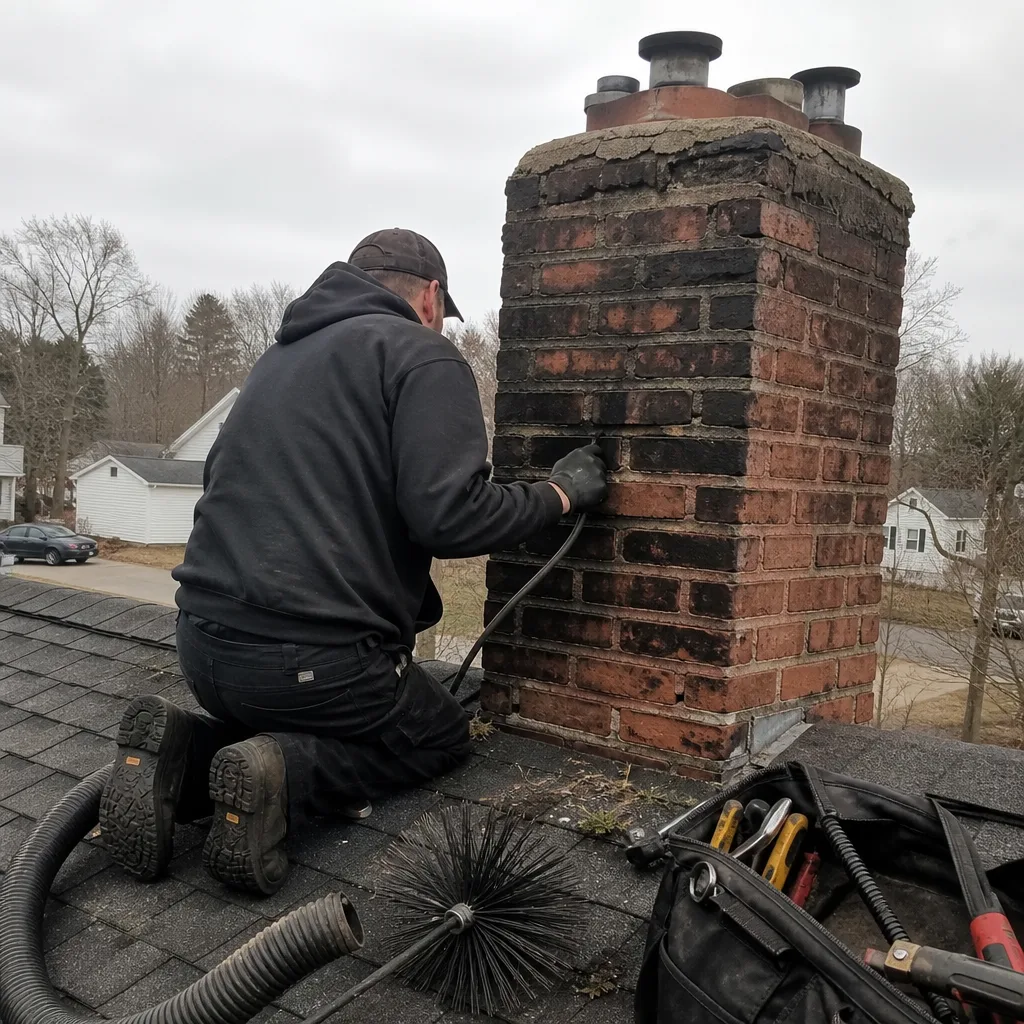 Before
 After
AfterChimney Cleaning Permits, Codes & Inspections in MA: What You Need to Know
Here’s the counterintuitive truth most Framingham homeowners learn too late: Massachusetts does not require a permit to sweep your chimney, but 780 CMR Chapter 31 absolutely requires one to repair or replace what that sweep finds. In our experience across more than 38,000 inspections since 2009, the majority of chimney liner damage, crown deterioration, and smoke chamber defects we document in Framingham homes would trigger a permit if addressed properly. The homeowners who skip the documented inspection step often discover this gap years later, when a buyer’s inspector flags undocumented work and the title search stalls at the closing table. This guide-along with our Complete Guide to Chimney Cleaning in Framingham-explains exactly what Massachusetts law requires, what Framingham’s building department expects, and how to protect your home’s value with paperwork that holds up.
Quick Answer
Chimney cleaning and sweeping require no permit under Massachusetts 780 CMR, but any liner repair or replacement, structural rebuild, or appliance change does. A documented NFPA 211 Level 2 inspection with photo evidence protects you at resale, satisfies insurer requirements, and ensures you pull the right permit before work begins. In Framingham, you’ll need your inspection report, a scope of work, and contractor licensing to apply for a chimney-related building permit.
Table of Contents
- What Massachusetts Law Actually Requires: 780 CMR Chapter 31
- NFPA 211 Level 2 Inspection: The Standard Massachusetts Adopted by Reference
- How Framingham’s Building Department Handles Chimney Permits
- The Resale Risk of Unpermitted Chimney Work
- How Inspection Records Satisfy Insurers, Underwriters, and Fire Marshals
- What Level Two Documents on Every Job
- Common Mistakes to Avoid
- When to Call a Professional
- Frequently Asked Questions
 Before
 After
AfterWhat Massachusetts Law Actually Requires: 780 CMR Chapter 31
Massachusetts 780 CMR, the State Building Code, governs all chimney construction, repair, and alteration through Chapter 31, “Chimneys, Fireplaces, and Solid Fuel-Burning Appliances.” The code does not classify routine chimney sweeping or cleaning as construction activity requiring a permit. Maintenance, in the code’s framing, is distinct from modification.
Where homeowners get caught-often missing chimney cleaning warning signs-is in the boundary between cleaning and repair. The moment your sweep identifies a compromised flue liner, a deteriorated crown, or a smoke chamber that needs parging, you’ve crossed from maintenance into regulated work. 780 CMR 3101.1 requires a permit for “the construction, installation, alteration, or repair of chimneys and fireplaces.” The Massachusetts Board of Building Regulations and Standards (BBRS) has consistently interpreted liner replacement, crown reconstruction, and structural rebuilds as falling within this definition.
Here’s what triggers a permit under 780 CMR:
- Flue liner repair or replacement: Any work on the liner that carries combustion gases, whether partial HeatShield application or full stainless steel replacement with DuraFlex or similar materials
- Crown reconstruction: Demolition and rebuild of the concrete or mortar cap that seals the chimney top
- Structural rebuild: Rebuilding more than 25% of the chimney structure, including spalling brick replacement or full teardown
- Appliance change or connection: Installing a new wood stove, pellet insert, or gas log set that alters the flue configuration
- Chimney relining for new fuel type: Converting from oil to gas, or wood to pellet, which changes venting requirements
What does not trigger a permit: standard sweeping, creosote removal, damper adjustment, cap installation (when not part of structural repair), and routine inspection. The distinction matters because many Framingham homeowners we’ve served in neighborhoods like Saxonville and Nobscot initially believed their annual sweep required town paperwork. It doesn’t. But the follow-up work often does, and that’s where documentation becomes critical.
Massachusetts also requires that permit work be performed by a licensed contractor. For chimney-specific work, this typically means a Construction Supervisor License (CSL) holder or a subcontractor working under one. The permit application must include a scope of work, and the building inspector will conduct a rough inspection and final inspection before sign-off. Without that sign-off, the work remains legally incomplete.
NFPA 211 Level 2 Inspection: The Standard Massachusetts Adopted by Reference
Massachusetts doesn’t write its own chimney inspection standard from scratch. Instead, 780 CMR adopts NFPA 211, “Standard for Chimneys, Fireplaces, Vents, and Solid Fuel-Burning Appliances,” by reference. This means NFPA 211 has the force of law in Massachusetts, and the inspection level specified matters for both safety and permit compliance.
NFPA 211 defines three inspection levels. Level 1 is a visual examination of readily accessible portions, appropriate for annual maintenance when no changes have occurred. Level 2 is required when property changes hands, after a chimney fire or malfunction, or when any appliance is added or replaced. Level 3 is invasive, involving demolition of building materials, and is reserved for suspected hazards that cannot be evaluated otherwise.
Here’s what a Level 2 inspection specifically mandates, per NFPA 211 Section 15.2:
- Visual inspection of all accessible interior and exterior chimney surfaces: This includes the firebox, smoke chamber, damper, flue liner, crown, and exterior masonry. “Accessible” means reachable without demolition, which in practice requires specialized equipment.
- Camera scan of the flue interior: A video scanning device must be run the full length of the flue to document liner condition, joint alignment, creosote buildup classification, and obstruction. This is not optional under Level 2; a flashlight look from the top or bottom does not satisfy the standard.
- Inspection of accessible portions of appliance connections: The thimble, connector pipe, and any venting junction must be evaluated for proper clearance and condition.
- Documentation of findings: The inspection must produce a written report describing conditions, deficiencies, and recommended actions.
At Level Two Chimney Framingham home, we made camera-scan documentation the default on every job starting in 2009, years before insurers or regulators broadly required it. That practice became Clause 4 of the Haven Standard, our operating protocol. When Massachusetts adopted updated NFPA 211 language in subsequent code cycles, our existing documentation format already exceeded the requirement.
The Level 2 inspection matters for permits because it establishes the factual basis for the work application. A building department reviewing a permit for liner replacement wants to see the evidence that replacement is necessary, not just a contractor’s say-so. The camera footage showing cracked terracotta, missing mortar joints, or Class III glazed creosote provides that evidence. Without it, you’re asking for permit approval on faith, and most inspectors won’t grant it.
For Framingham homeowners in older housing stock, particularly in the 01701 zip code’s pre-1950 neighborhoods, the Level 2 inspection-part of any thorough Chimney Cleaning & Sweep Maintenance Checklist for Framingham Homeowners-often reveals unlined chimneys or deteriorated parging that previous owners addressed informally. We’ve found smoke chambers in South Framingham homes coated with nothing more than loose mortar wash, and flues in the Beaver Street area lined with nothing but deteriorating brick. These conditions require permit work to correct properly, and the Level 2 documentation is what starts that process legally.
How Framingham’s Building Department Handles Chimney Permits
Framingham operates under the Massachusetts State Building Code with no local amendments that alter chimney-specific requirements. The Building Department, located at Memorial Building in downtown Framingham, processes permit applications for all chimney work that exceeds maintenance scope.
Here’s what Framingham homeowners need to bring when pulling a chimney-related permit:
- A documented inspection report: This should be the NFPA 211 Level 2 report with photo or video evidence of the deficiency requiring repair. Framingham’s building inspector will review this to confirm the scope of work matches the documented need.
- A written scope of work: Detailed description of what will be done, materials to be used (for example, “Install DuraFlex stainless steel liner, 6-inch diameter, with proper insulation and top plate”), and the specific code sections being complied with.
- Contractor licensing information: The CSL number of the contractor performing the work, or the license of the Construction Supervisor under whom the work will be performed. Level Two Chimney Framingham displays license information on every page and provides it with every permit application we assist with.
- Homeowner authorization: If you’re pulling the permit yourself rather than having your contractor do so, you’ll need proof of property ownership and a notarized authorization if someone else will be scheduling inspections.
- Fee payment: Framingham’s permit fees for chimney work are based on project valuation. A liner replacement typically falls in the $100-$200 permit fee range; structural rebuilds scale higher based on estimated cost.
Framingham’s inspection schedule requires a rough inspection before closure (for liner work, this means the liner is in place but not fully connected) and a final inspection after completion. The building inspector will verify clearances, proper materials, and compliance with manufacturer’s installation instructions, which are themselves code-required under 780 CMR.
One Framingham-specific consideration: the town’s older housing stock, particularly in the Edgell Road and Pleasant Street corridors, often has chimneys built before modern liner standards. When we document these systems, we frequently find that previous owners performed unpermitted upgrades, such as inserting a metal liner without proper insulation or top-sealing. Framingham’s building department will flag these as non-compliant if discovered during a permit inspection for unrelated work, potentially expanding the scope and cost. A thorough Level 2 inspection before any permit application helps identify these buried issues upfront.
Framingham also participates in the Massachusetts stretch energy code in certain new construction contexts, though this rarely affects existing chimney retrofits. What does affect Framingham homeowners is the town’s enforcement of proper venting for high-efficiency appliances, which may require liner resizing or dedicated venting that triggers permit requirements not immediately obvious from the appliance purchase alone.
The Resale Risk of Unpermitted Chimney Work
This is where the permit question becomes expensive. Unpermitted chimney work in Massachusetts doesn’t just violate 780 CMR; it creates a cloud on title that can stall or kill a home sale.
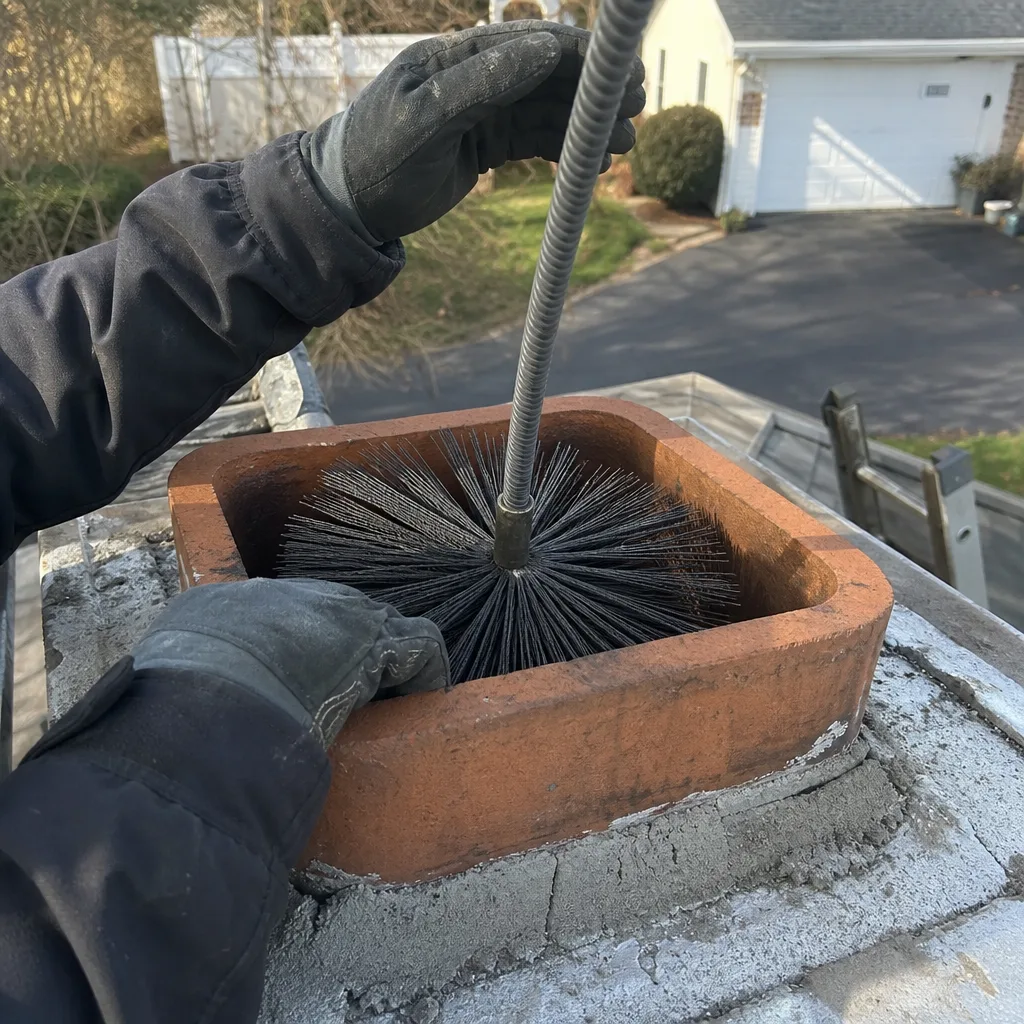
Here’s how it surfaces. When a buyer’s attorney orders a title search, municipal lien certificates reveal open or expired permits. In Framingham, as in most Massachusetts municipalities, building permits that were pulled but never closed (no final inspection) remain on the property record indefinitely. Work performed without any permit at all may be flagged by the buyer’s home inspector, who is trained to look for evidence of recent chimney modification, such as new liner collars, patched crown concrete, or replaced brick with mismatched mortar.
The Massachusetts Association of Realtors purchase and sale agreement includes a standard representation that all work requiring permits was properly permitted. When the seller cannot produce closed permits for visible chimney work, several outcomes follow:
- Buyer’s inspection contingency expansion: The buyer may demand a professional chimney inspection at seller expense, often with a Level 2 camera scan that reveals the full scope of undocumented work.
- Title insurance exception: The title insurer may except unpermitted work from coverage, leaving the buyer exposed to future municipal enforcement.
- Closing delay or price reduction: The buyer may require the seller to obtain retroactive permits, which in Framingham means opening walls, exposing work for inspection, and potentially redoing work that doesn’t meet current code.
- Deal termination: In a buyer’s market or with financing contingencies, unpermitted work can be the stated reason for withdrawal.
We’ve been called into Framingham homes where the seller believed their chimney was “fine” because a previous sweep had pronounced it so, only to discover that a liner installed fifteen years prior was never permitted, the contractor is out of business, and no documentation exists. The cost to remediate, including potential liner replacement with proper permitting, can run into thousands of dollars on a compressed closing timeline.
The protection is straightforward: every chimney repair that triggers a permit requirement gets permitted, inspected, and closed. The documentation, including the final inspection sign-off, is stored with the home’s permanent records. When we perform work under the Haven Standard, we provide this documentation package as a matter of course, not as an add-on. Clause 4 of the Haven Standard requires a photo record on every job, and that record becomes part of the permit file when we manage the process.
For Framingham homeowners not planning to sell soon, this matters less immediately but still affects property value and insurability. Unpermitted work discovered by an insurer after a chimney fire can void coverage for the loss. The permit record is the proof that work was performed to code, by a licensed contractor, with municipal oversight.
How Inspection Records Satisfy Insurers, Underwriters, and Fire Marshals
Three entities beyond the building department care about your chimney documentation: your homeowner’s insurer, your mortgage underwriter (if you’re refinancing or purchasing), and the local fire marshal in the event of an incident.
Insurers increasingly request chimney inspection records when policies are written or renewed, particularly for homes with wood-burning appliances. The reason is straightforward: chimney fires represent a significant portion of residential fire claims in Massachusetts, and insurers want evidence of maintenance. A Level 2 inspection report with dated photo documentation satisfies this request in ways that a handwritten sweep receipt does not. We’ve had Framingham clients provide our reports to insurers who then removed chimney-related exclusions or reduced premiums. The key is the specificity: Class I, II, or III creosote notation, liner condition assessment, and clear statement of whether the system is suitable for continued use.
Mortgage underwriters flag chimney conditions when appraisers note visible deterioration or when the property has a wood stove or fireplace as a listed feature. Underwriters want assurance that the system won’t become a claim during their loan exposure. A documented inspection from a recognized provider, with clear findings and any recommended repairs completed, clears this hurdle. In Framingham’s competitive market, where buyers often waive some contingencies, having chimney documentation ready can be the difference between a smooth closing and a last-minute scramble.
Fire marshals in Massachusetts towns including Framingham investigate chimney fires and carbon monoxide incidents to determine cause and code compliance. When a fire marshal finds unpermitted work, undocumented modifications, or a system that was never properly inspected, the homeowner faces potential liability, insurance complications, and in severe cases, citation. By contrast, a complete documentation trail, including the original Level 2 inspection that identified the risk, the permit for the repair, and the final inspection sign-off, demonstrates due diligence.
The Haven Standard’s documentation protocol was designed for exactly these scenarios. Since 2009, every one of our 38,000+ jobs has produced a written price before work started, a documented record when done, and a photo archive that we maintain. When a Framingham homeowner needs to prove their chimney was properly maintained, they have evidence that holds up to scrutiny from any of these three entities.
What Level Two Documents on Every Job
Documentation is not a generic concept for us. It’s specific items, produced in specific sequence, that create a defensible record. Here’s what every Level Two Chimney Framingham customer receives:
- Written price and scope before any work starts: Haven Standard Clause 1, H.A.V.E.N. “Have it in writing.” The price is fixed, the scope is explicit, and both are signed before the technician begins. No exceptions, no “we’ll see what we find” pricing.
- Camera-scan video of the full flue length: Haven Standard Clause 4. The footage shows liner condition, joint integrity, creosote classification, and any obstructions or damage. We date-stamp and archive this.
- Written inspection report with photo stills: Narrative description of findings, with embedded images from the camera scan and exterior inspection. This is the document insurers, building departments, and fire marshals request.
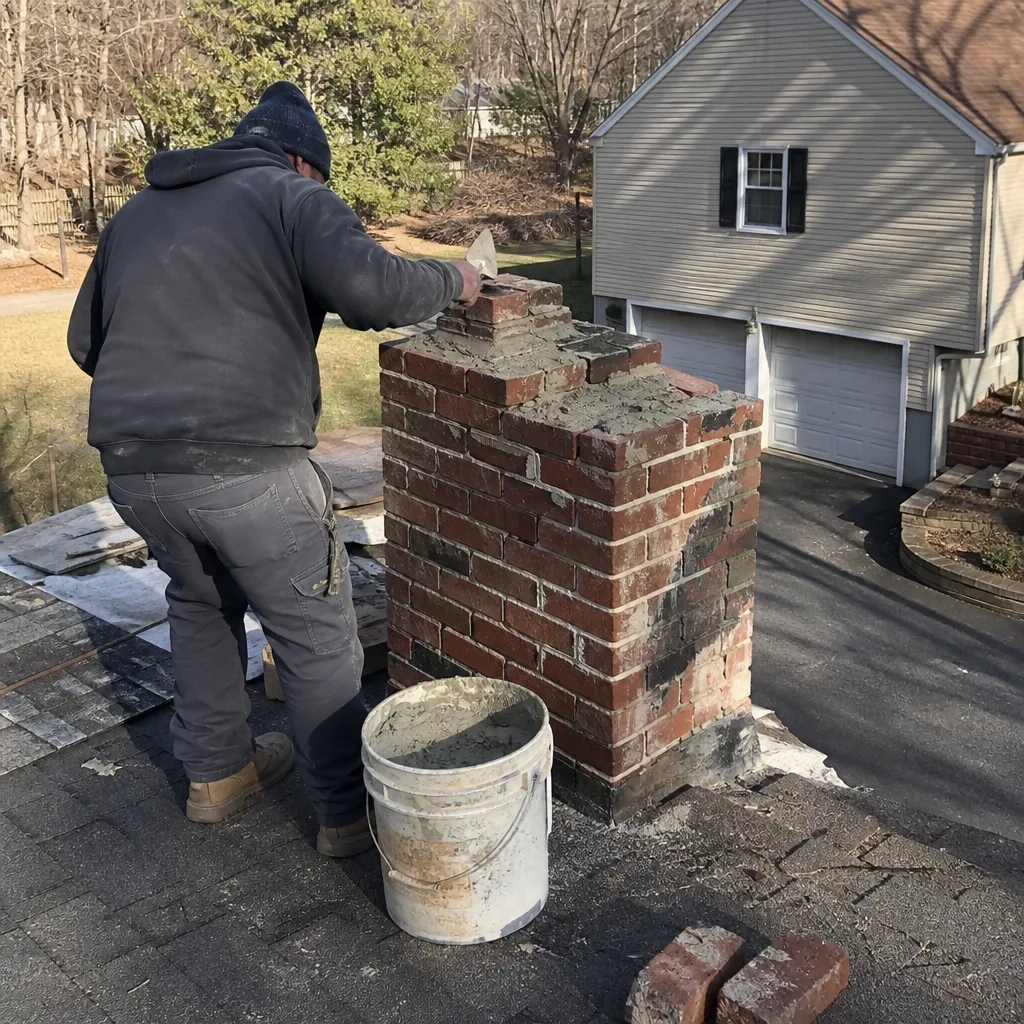
- Completed work documentation: For repairs, photos of before, during, and after. For sweeps, photos of the flue post-cleaning and the debris removed. Materials specified by brand where relevant, for example, “DuraFlex 316Ti stainless liner with ProFoil insulation.”
- Written warranty: The 365-Day Done Right Promise, stamped on every job. If it’s not done right, we make it right. The warranty terms are in writing, not verbal.
- Permit documentation (when applicable): If we perform permitted work, we provide the homeowner with copies of the permit application, inspection sign-offs, and certificate of completion for their records.
This documentation package is what transforms a chimney service from a transaction into a protected investment. When Framingham homeowners in neighborhoods like Framingham Centre or the north side near Route 9 need to demonstrate system condition, they have a file that answers questions before they’re asked.
We also offer a Free Second Opinion on any written estimate from another provider. Bring us a competitor’s written quote, and we’ll review it against what our inspection finds. This is particularly valuable when a previous sweep has recommended extensive work without providing camera evidence. In our experience, estimates based on flashlight looks frequently overstate or understate actual conditions.
Common Mistakes to Avoid
- Assuming the annual sweep covers permit requirements: It doesn’t. The sweep is maintenance; what it reveals may require permitting. Many Framingham homeowners conflate these and discover the gap at resale.
- Accepting a “Level 2” inspection without camera evidence: A true Level 2 requires video scanning of the flue interior. If your sweep didn’t run a camera, you received a Level 1 at best, regardless of what the invoice says.
- Letting a contractor pull a permit in their name without ensuring closure: The permit attaches to the property, not the contractor. If they disappear or go out of business, you’re left with an open permit. Always verify final inspection and request the certificate of completion.
- Performing permit-required work yourself without understanding 780 CMR: Massachusetts allows homeowner permits for some work, but chimney liner installation and structural repair have specific clearance, material, and testing requirements that are difficult to satisfy without trade experience. We’ve been called to redo DIY liner installations that failed Framingham’s inspection.
- Discarding documentation after “minor” repairs: That liner patch or crown seal you considered minor may be the documentation that proves system condition to a future buyer. Keep all chimney records with your home’s permanent files.
- Assuming previous owner permits transferred properly: In Framingham’s older neighborhoods, we’ve found multiple properties where permits were pulled but never closed, or where work was performed by a previous owner’s “friend” with no permit at all. A current Level 2 inspection establishes your baseline.
When to Call a Professional
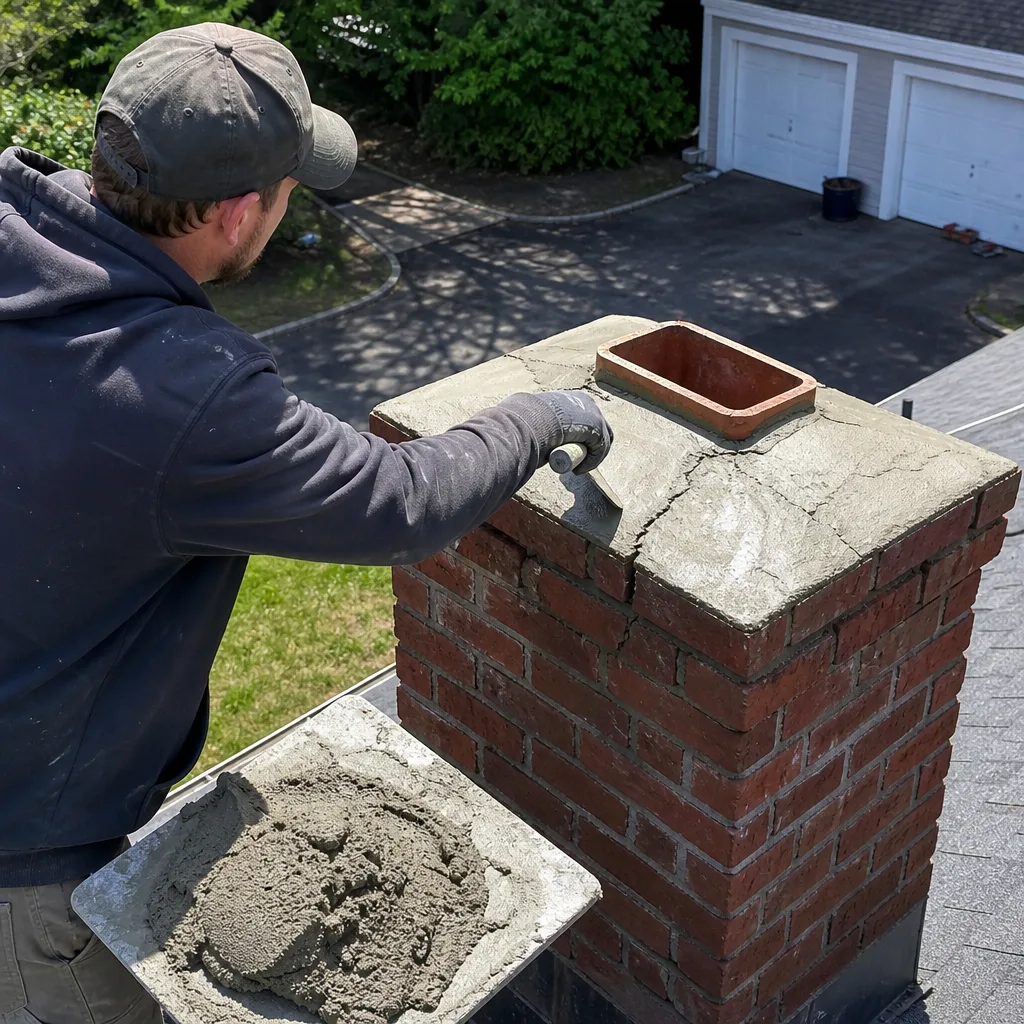
Call a certified chimney professional when you’re buying a home with a fireplace or wood stove, after any chimney fire or puffback incident, before installing a new appliance, or if your last inspection was more than a year ago and was performed without camera documentation. For more guides & resources on keeping your system safe, see our blog. In Framingham, where freeze-thaw cycles accelerate masonry deterioration and many chimneys serve appliances they weren’t originally designed for, the cost of undiagnosed damage far exceeds the cost of proper inspection.
Level Two Chimney Framingham offers free estimates in Framingham. We’ll perform a full Level 2 camera inspection, provide a written price before any work starts, and help you navigate permitting if repairs are needed. Call (508) 850-0489. Our phone is answered by a live person, 24 hours a day, 7 days a week.
Frequently Asked Questions
No. Routine chimney sweeping and cleaning are maintenance activities that do not require a building permit under 780 CMR Chapter 31. However, if the cleaning reveals damage requiring liner repair, crown reconstruction, or structural work, those repairs do require permitting. Call (508) 850-0489 for a free estimate and we’ll document exactly what your chimney needs.
A proper NFPA 211 Level 2 inspection with camera scan in the Framingham market typically runs between $250 and $400, depending on accessibility and the number of flues. This includes the full video documentation, written report, and photo record. Be wary of significantly lower prices that don’t include camera work, as you’re not receiving a true Level 2. We provide a written price before any work starts, always.
Unpermitted chimney work can stall closing, trigger buyer inspection contingencies, reduce sale price, or cause title insurance exceptions. Massachusetts purchase and sale agreements require disclosure of permit-required work, and Framingham’s building records are searchable by buyer’s attorneys. The remedy is often costly: opening completed work for inspection, potential redo, and retroactive permitting. Documentation from a proper Level 2 inspection prevents this scenario.
NFPA 211 recommends annual inspection for all chimneys, with cleaning frequency based on use and creosote accumulation. In Framingham, where many homeowners burn hardwoods like oak and maple through extended heating seasons, we typically see sufficient creosote buildup to warrant annual sweeping for active wood-burning systems. Oil and gas systems may require less frequent cleaning but still need annual inspection for liner integrity and draft performance.
A Level 1 inspection is a visual examination of readily accessible portions without specialized equipment, appropriate for annual maintenance when no changes have occurred. A Level 2 inspection requires camera scanning of the flue interior, inspection of accessible appliance connections, and documentation of findings. Massachusetts law effectively requires Level 2 for property transfers, post-fire assessment, and appliance changes. Most Framingham homeowners need Level 2 to establish a proper baseline.
Yes, Massachusetts allows homeowners to pull permits for work on their own property. However, you’ll still need a licensed contractor to perform the work, and you’ll need a documented inspection report and detailed scope to submit. Many Framingham homeowners find it simpler to have their chimney contractor manage the permit process, ensuring proper scheduling of rough and final inspections. We handle permitting as part of our repair service when requested.
Skipped maintenance leads to creosote accumulation, which can ignite causing chimney fires that damage liners and spread to framing. Deteriorated liners can leak combustion gases including carbon monoxide into living spaces. In Framingham’s climate, freeze-thaw damage to crowns and masonry accelerates when cracks aren’t sealed. The cost of emergency repair after failure typically exceeds preventive maintenance by a factor of five to ten. A documented annual inspection catches these conditions before they become hazardous or expensive.
The Bottom Line
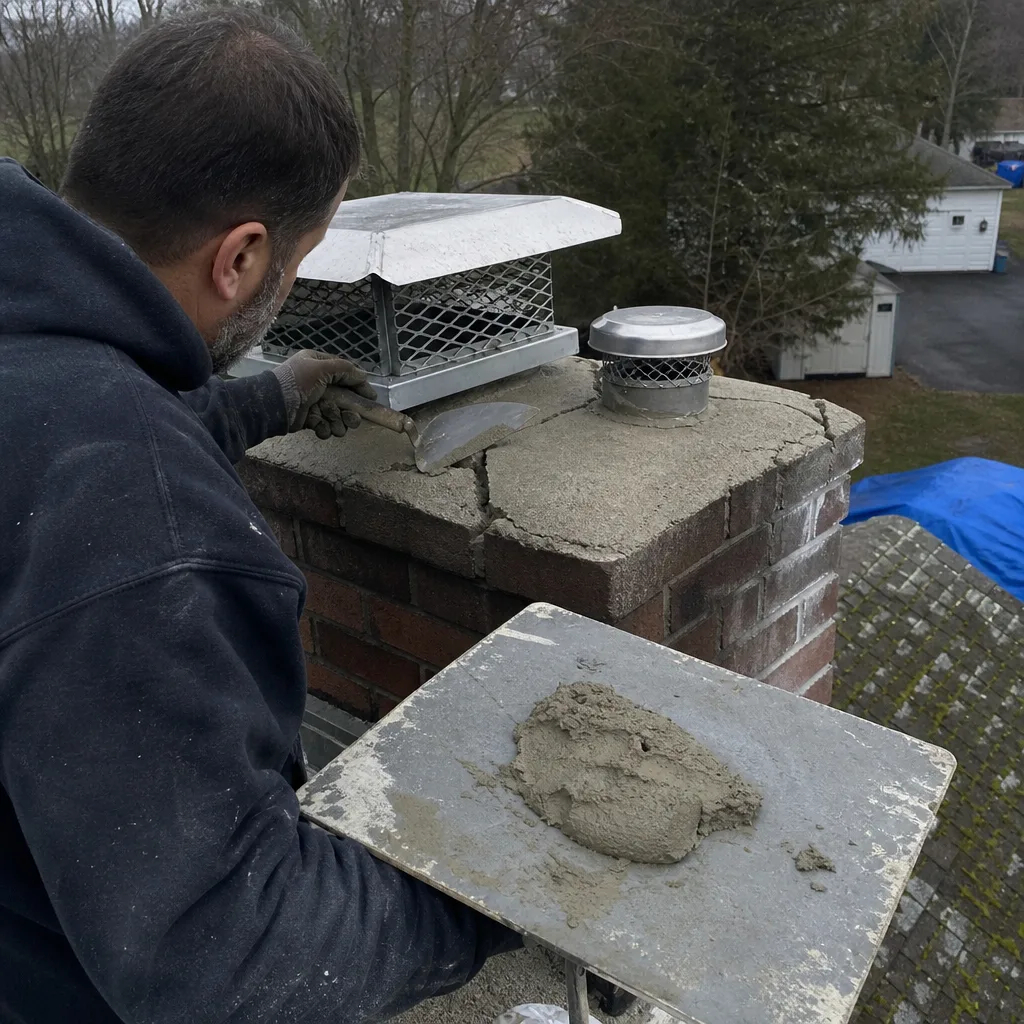
Massachusetts chimney law draws a clear line: sweep without a permit, but repair with one. The bridge between those two states is documentation, specifically the NFPA 211 Level 2 inspection with camera evidence that establishes what your chimney actually needs. In Framingham, where housing stock varies from historic Victorians to mid-century ranches, that documentation protects your safety, your insurance coverage, and your property value at resale. The homeowners who fare best are those who treat chimney maintenance as a documented system, not a once-a-year brush-and-vacuum transaction. Get the inspection, get the photos, get the permit when required, and keep the records where you’ll find them when the question arises, as it always does, at the worst possible moment.
Written by Corrine Halstead, Owner at Level Two Chimney Framingham, serving Framingham since 2009.