
Level 1 sweep and inspection to the NFPA 211 annual standard - flue, crown, cap, and flashing checked and photographed
Chimney sweep logs do not sweep chimneys. They loosen some creosote - which then falls where a brush and vacuum still have to collect it.
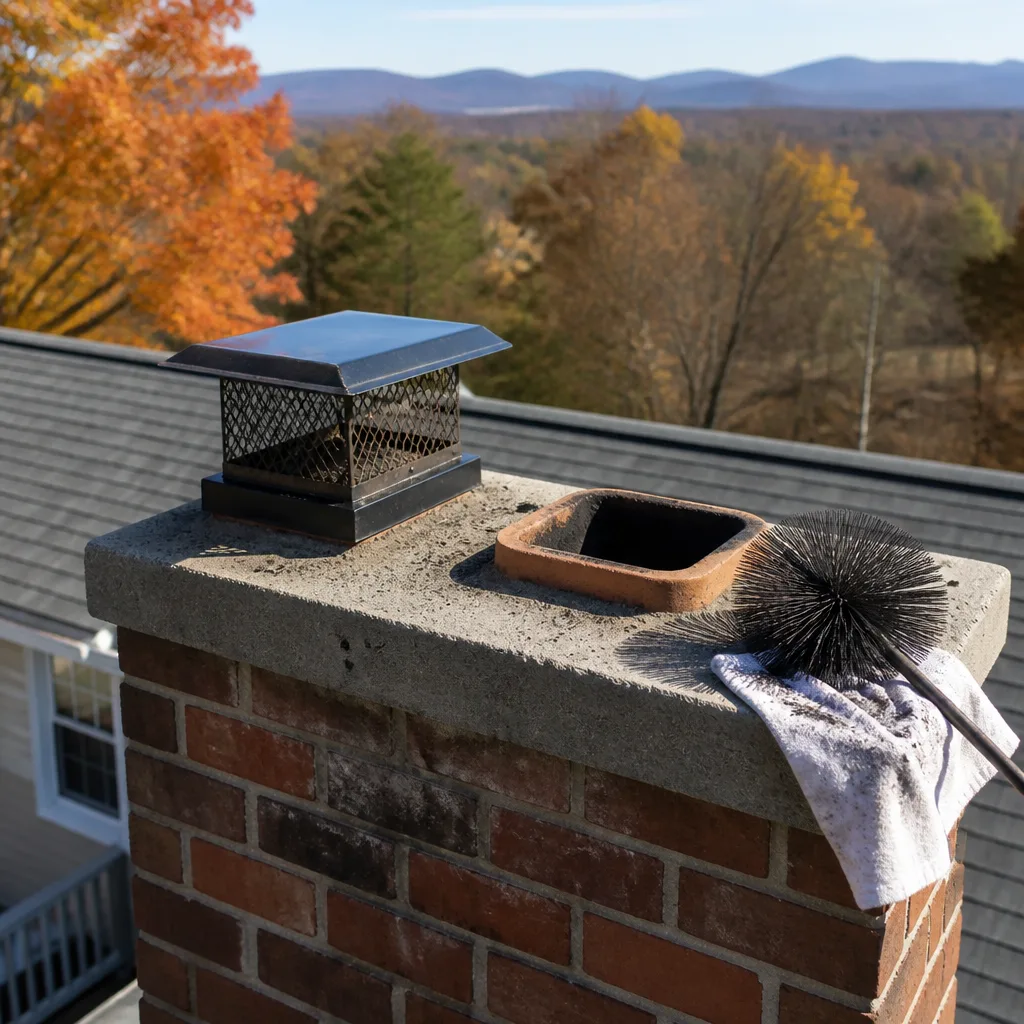
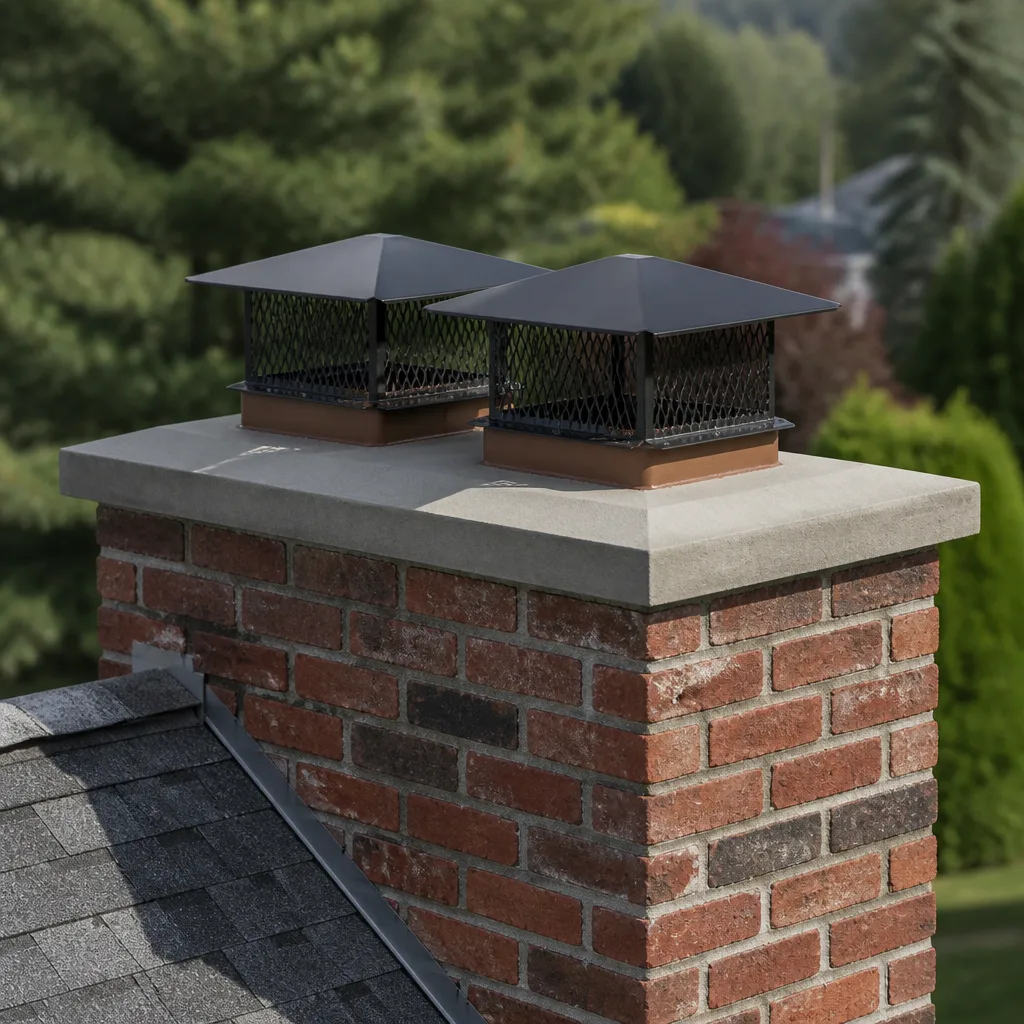
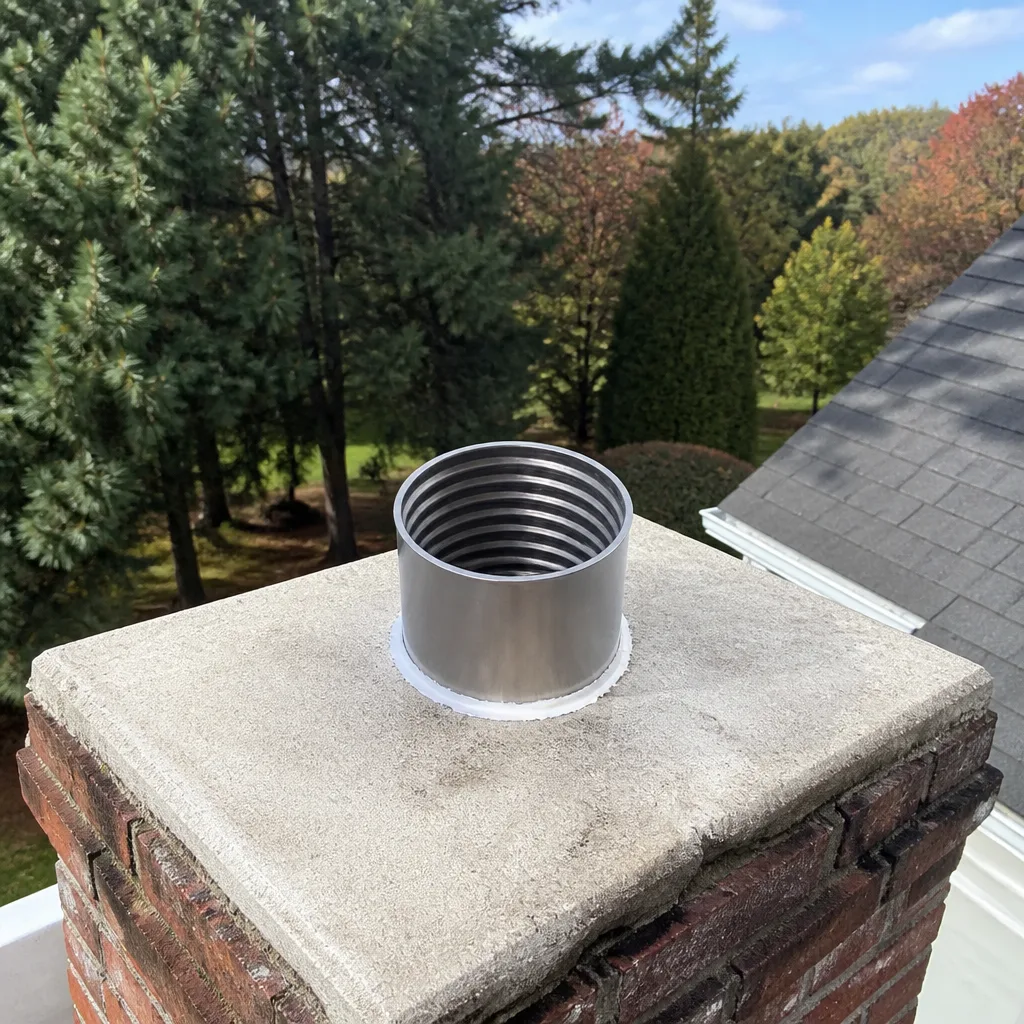
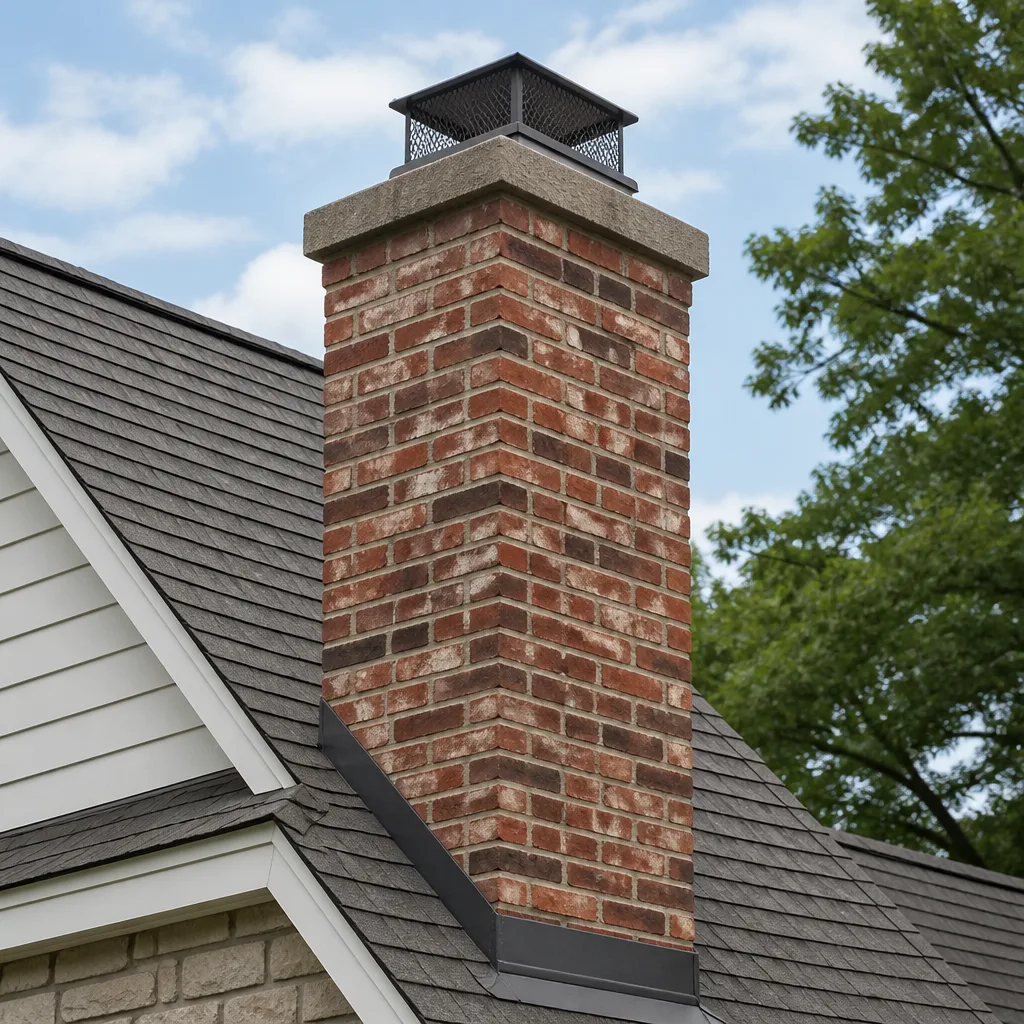
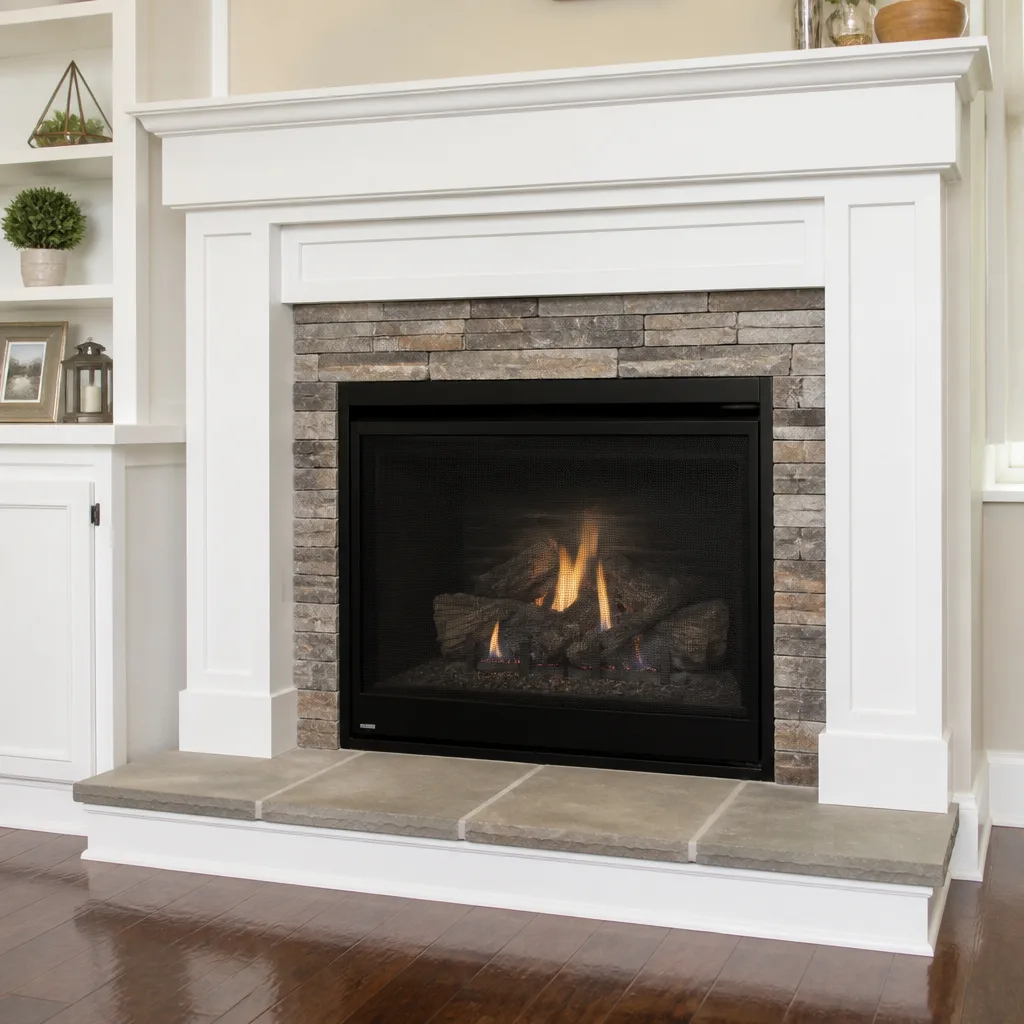
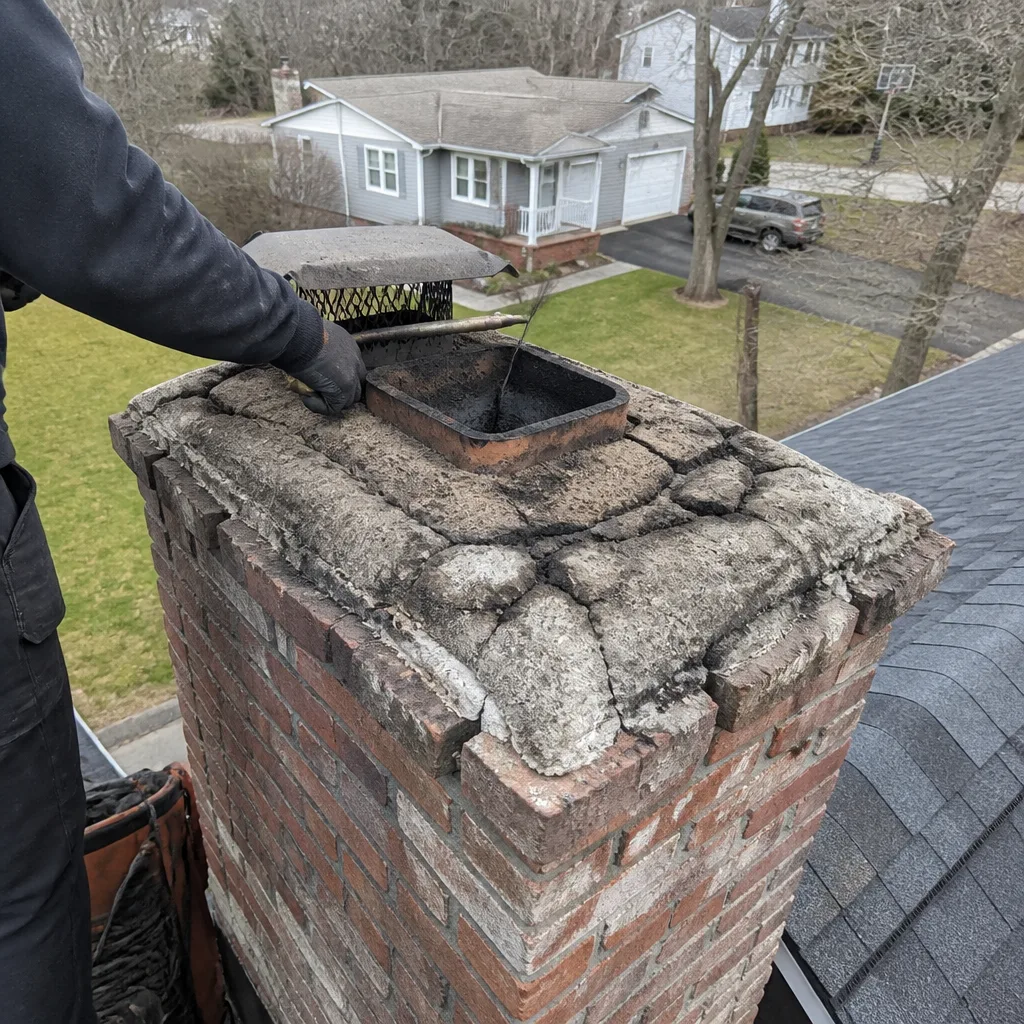 Before
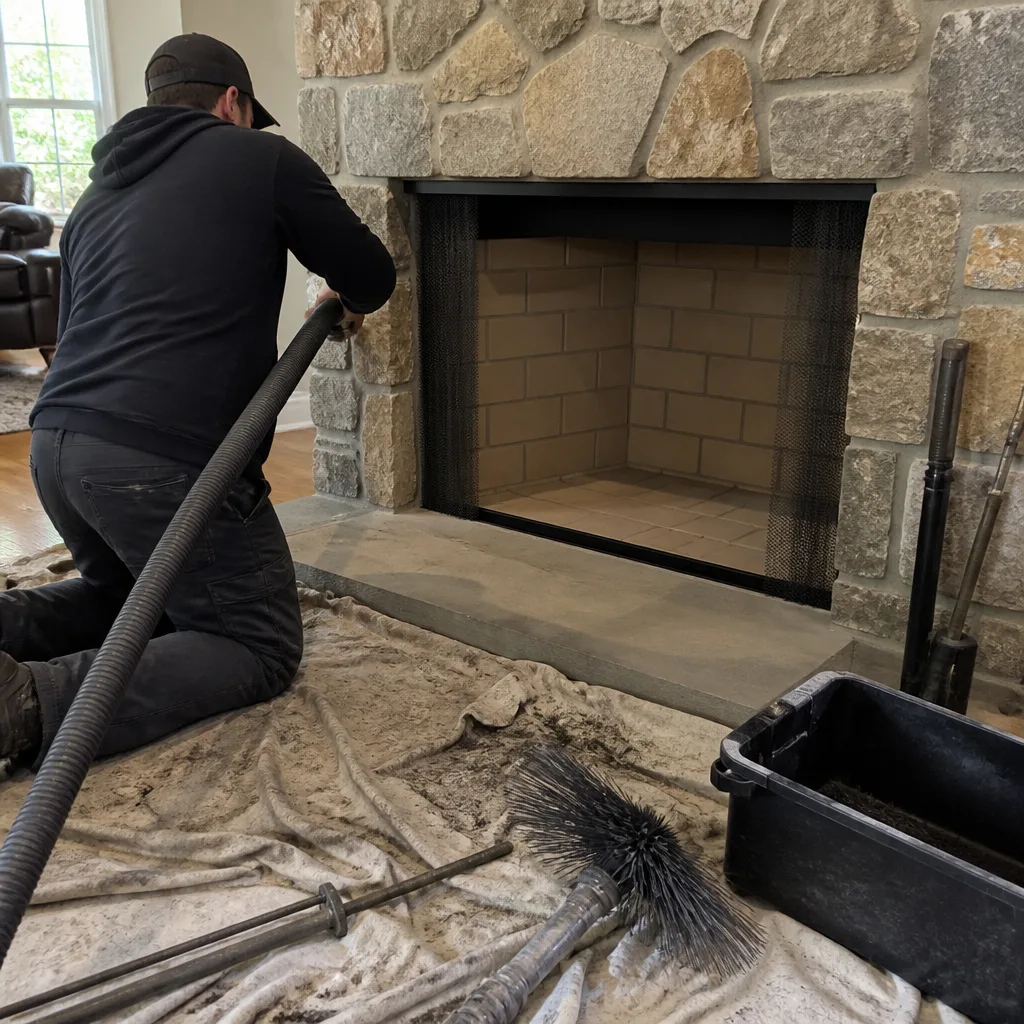 After
After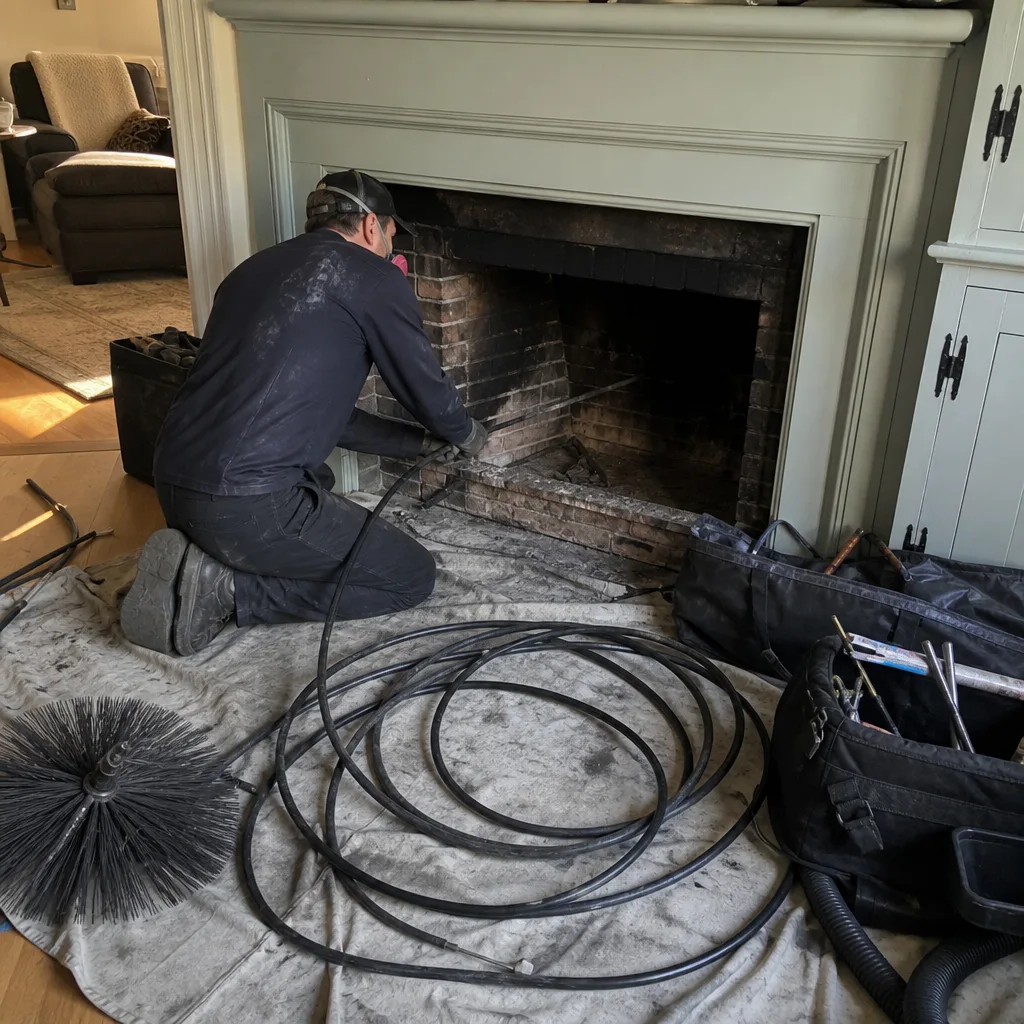 Before
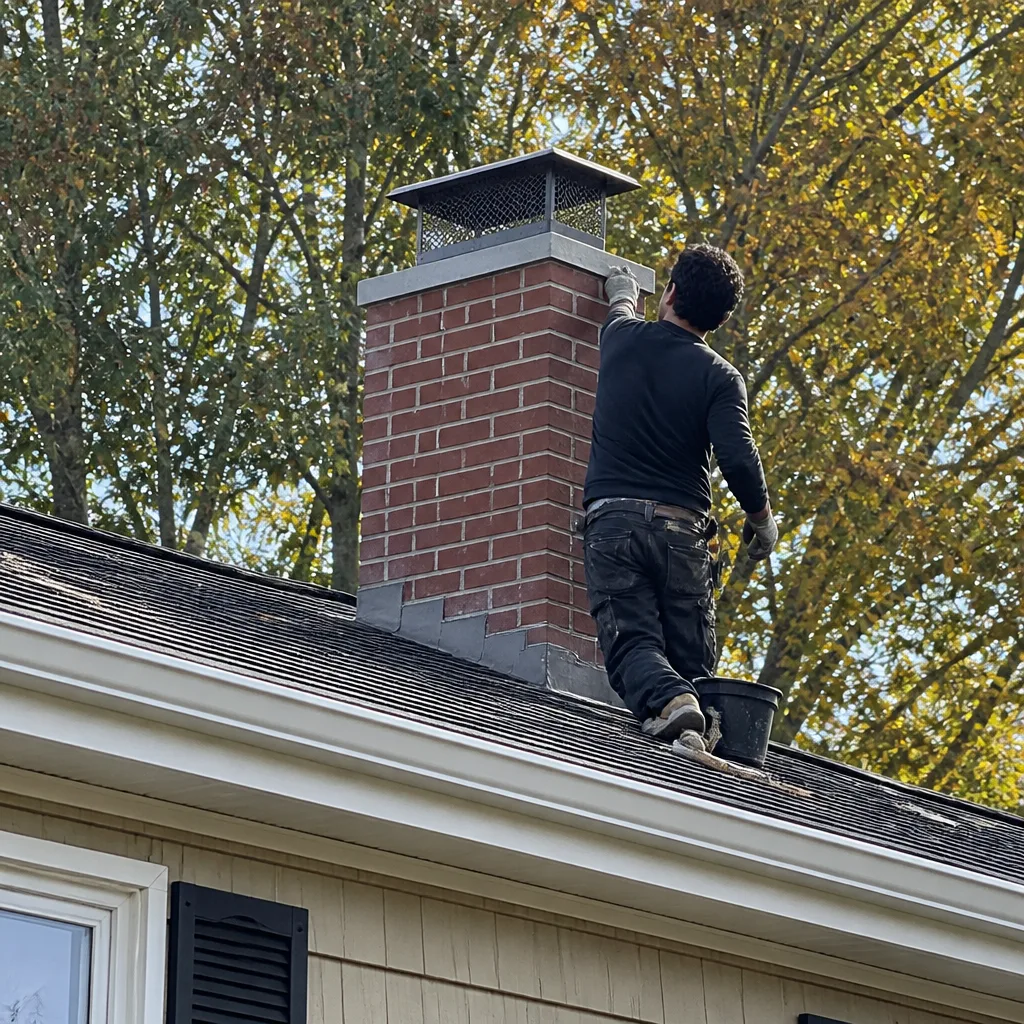 After
After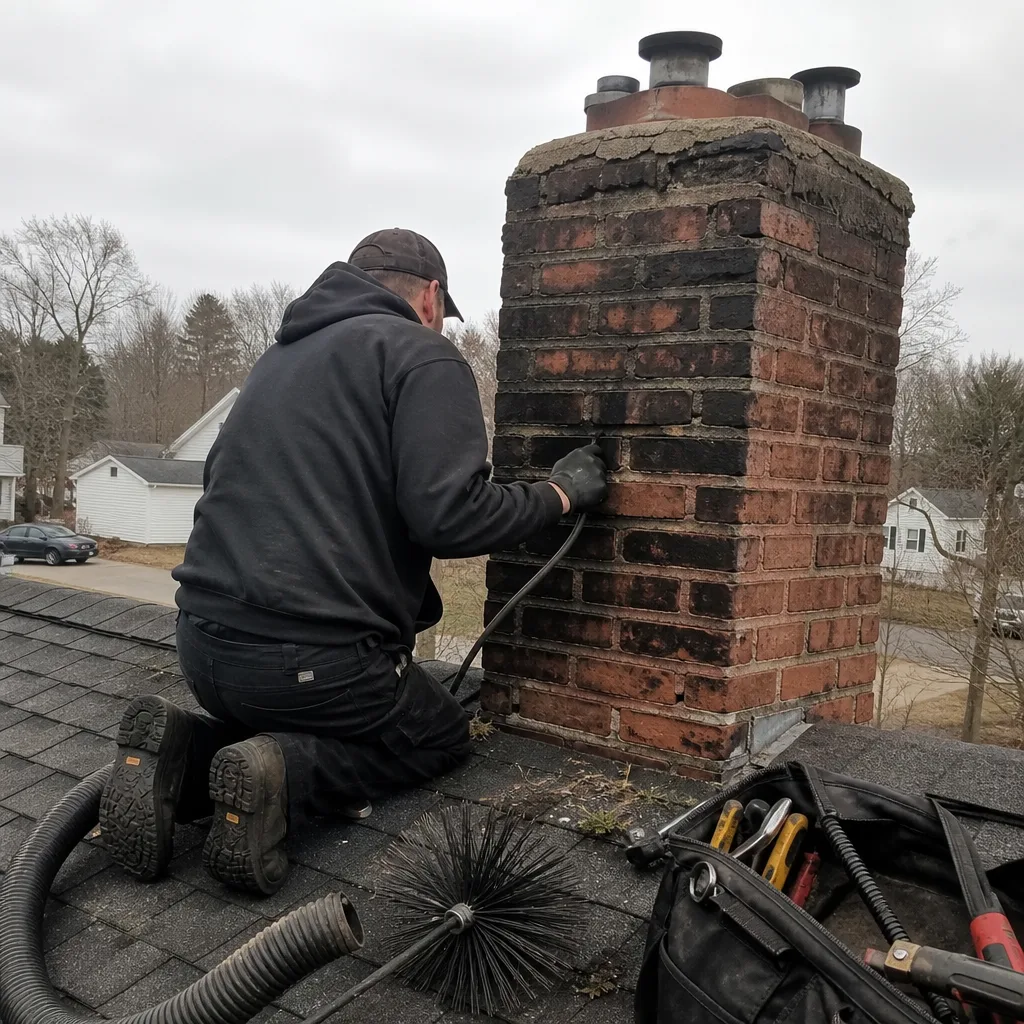 Before
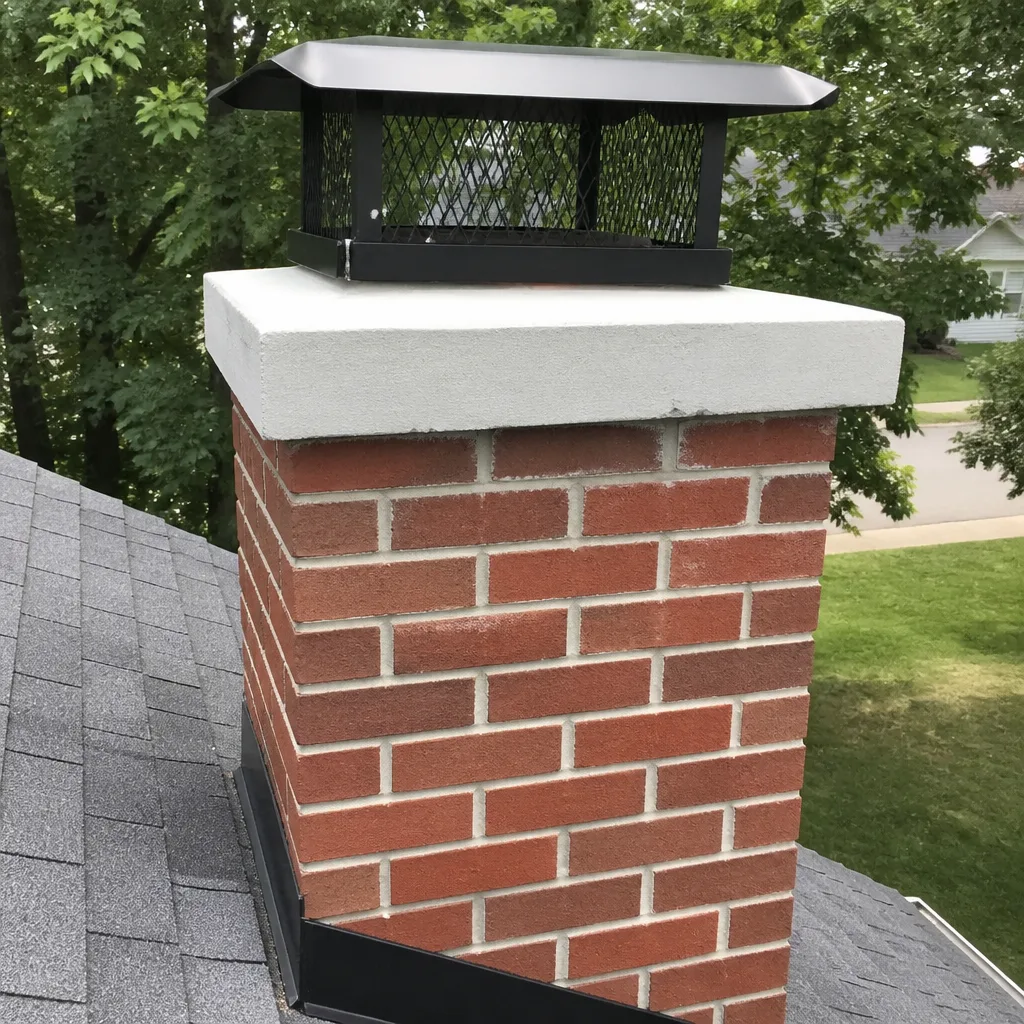 After
AfterSoot Removal in Framingham, MA
Soot removal in Framingham typically runs $149 to $349, depending on flue length, soot accumulation depth, and whether a full camera inspection reveals secondary buildup in the smoke chamber or firebox. Most jobs are completed in a single visit. If you’re seeing black dust around the damper, a persistent smoky odor when the fireplace is cold, or visible dark staining on the firebox walls, soot is the likely culprit and it’s worth addressing before the next heating season starts.
At Level Two Chimney Framingham, soot removal is part of our broader Chimney Cleaning & Sweep in Framingham service. Every visit starts with a written price, a written scope, and a NFPA 211 Level 2 camera scan down the flue before anyone picks up a brush. You get a documented photo record when the job is done – that’s not an add-on, it’s how we’ve worked since 2009, across more than 38,000 chimneys throughout the region. Call us at (508) 850-0489 and a live person will pick up, any hour of any day.
When You Need Soot Removal
Soot is a fine, powdery carbon byproduct of incomplete combustion. Unlike creosote, which bonds to flue liner walls in layers that harden over time, soot stays loosely deposited and moves easily – into your living room air, onto nearby surfaces, and deeper into the firebox. The tricky part is that moderate soot accumulation doesn’t always show obvious signs. Here’s what to watch for:
- Black dust or fine powder around the damper or firebox opening. In older Framingham homes with masonry fireplaces – especially the cape-style and colonial builds common in the Saxonville and Nobscot areas – this tends to show up first on the smoke shelf, where soot collects between burns.
- A stale, smoky smell when the fireplace isn’t in use. Soot retains odor. If you’re getting a campfire smell through your living room in July, the soot load in your flue or smoke chamber is the most common explanation.
- Visible dark staining on the firebox walls or hearth floor. Light gray ash is normal. A thick, matte-black coating that flakes when you brush it is soot, and it should come out before it migrates further.
- A fireplace that smokes back into the room during use. Partial soot blockage can restrict draft, pushing combustion gases – and fine carbon particles – into your living space rather than up the flue.
- It’s been more than a year since your last cleaning. NFPA 211 recommends annual inspection and cleaning for any fireplace in regular use. Framingham winters average 50-plus heating days per season; one cord of firewood produces measurable soot deposits.
- You’ve recently had a chimney fire. Even a small, brief chimney fire dislodges built-up deposits and scatters fine soot throughout the flue system. A full soot removal and camera inspection after any chimney fire isn’t optional – it’s how you confirm the liner is still sound.
Our Soot Removal Process
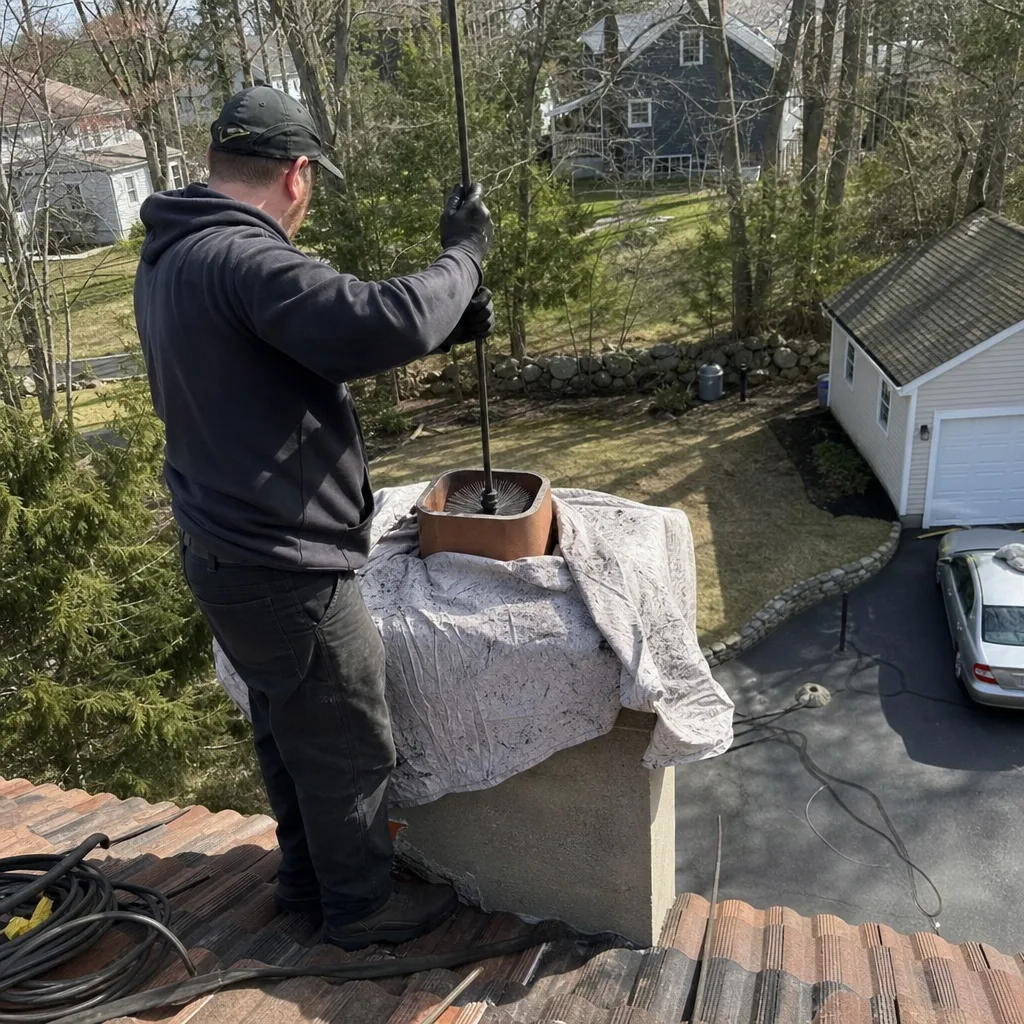
We follow the same Chimney Cleaning & Sweep services process on every job in Framingham, whether the flue is a 20-foot straight liner in a new Nobscot construction or a 40-foot offset masonry system in a 1940s colonial near Cushing Memorial Park. No shortcuts, no skipped steps.
- Written price and scope before anything starts. Under Haven Standard Clause 1, you receive a written price and a written description of the work before our technician touches a single brush or camera. If the scope changes once we’re inside the flue, we stop and give you a revised written price. No surprises after the fact.
- Full NFPA 211 Level 2 camera inspection. The camera goes down the flue liner first. We look at the liner walls, smoke chamber, smoke shelf, and firebox for soot depth, creosote class (see FAQ below), cracks, spalling, or mortar joint deterioration. This step is what separates a real inspection from a flashlight glance – and it determines exactly what kind of cleaning the flue needs. We’ve been doing camera-scan documentation in Framingham since 2009, years before most insurers started asking for it.
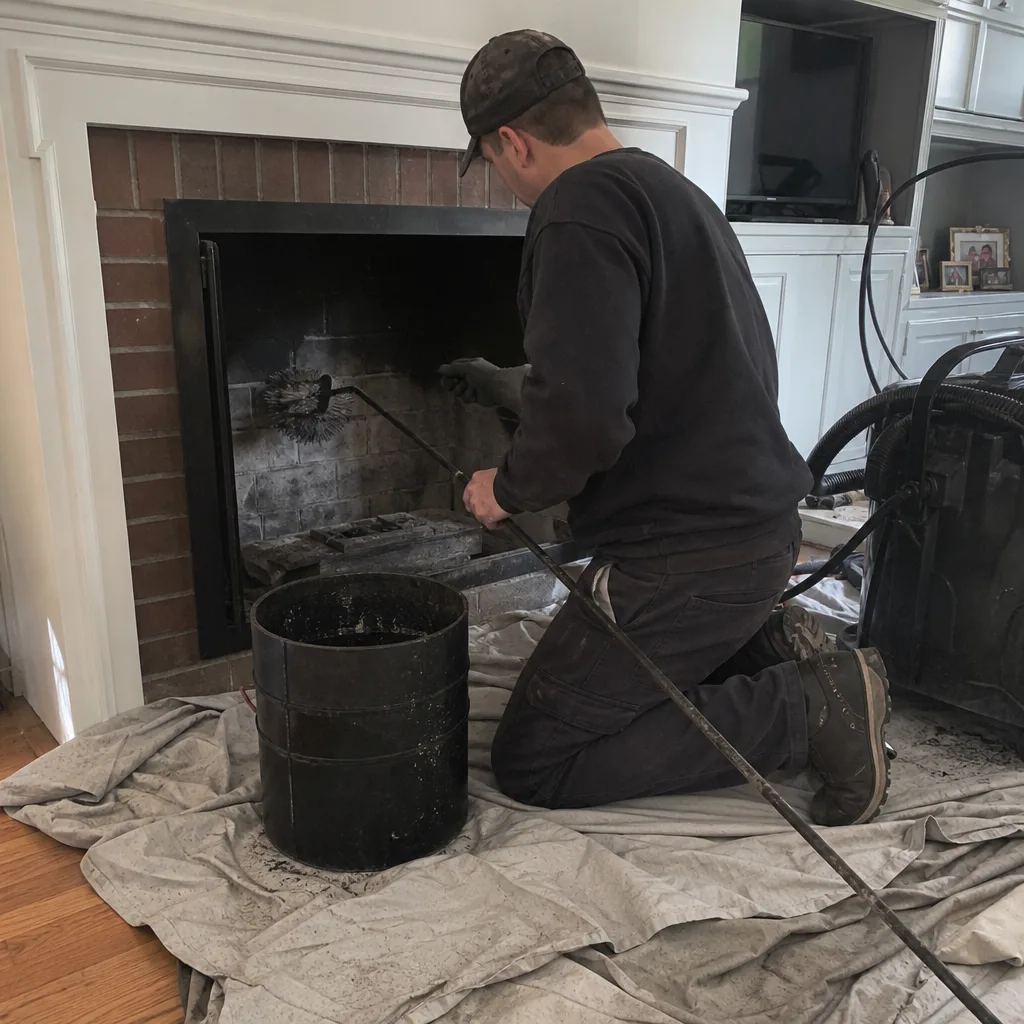
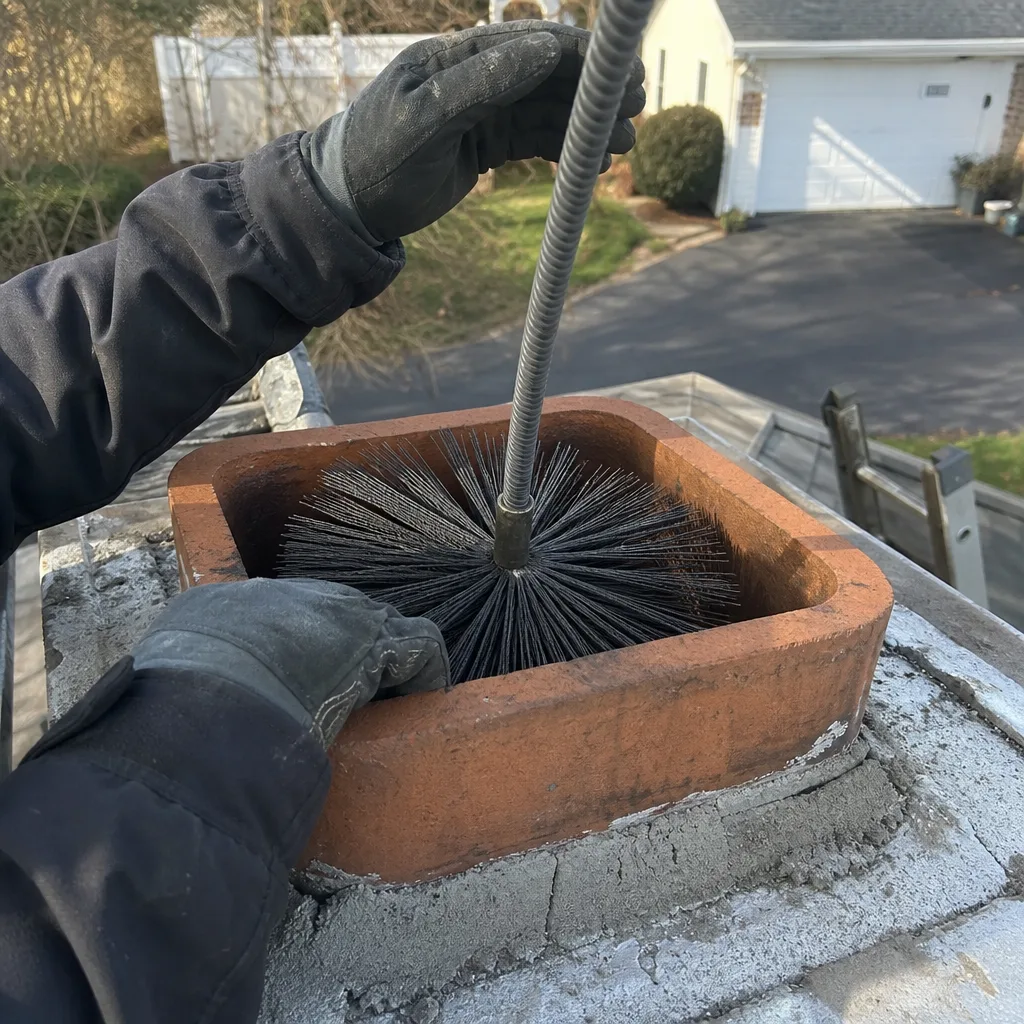
- Controlled soot extraction with HEPA-filtered equipment. Our technicians use industrial-grade, HEPA-filtered vacuum systems fitted with rotary brush attachments sized to your specific flue dimensions. Copperfield professional-grade rods and brushes give us controlled contact with the liner walls without risking damage to the tile or clay. The HEPA filtration keeps soot inside our equipment, not in your living room. Drop cloths protect your hearth and surrounding flooring throughout.
- Smoke chamber and firebox detailing. Soot doesn’t stop at the bottom of the flue. The smoke chamber – the corbelled area above the damper that funnels combustion gases into the flue liner – collects significant soot deposits, especially in older masonry fireplaces. We clean this area by hand and with specialized brushes, then clear the smoke shelf of any accumulated debris.
- Post-cleaning camera verification and photo record. The camera goes back down after cleaning. We document the liner condition with photos at multiple points along the flue – that record is yours to keep. Under Clause 4 of the Haven Standard, this photo archive is included on every job, no exceptions. If we found a crack, a failed tile section, or Class II creosote that a soot cleaning didn’t fully address, you’ll see exactly what we saw, in writing, with images attached.
- Written findings and next steps. You get a plain-language written summary of what we found, what we did, and what (if anything) still needs attention. If there’s a liner repair, cap replacement, or crown repoint in your future, we’ll tell you that clearly and quote it in writing before you leave – or before we schedule the follow-up. The 365-Day Done Right Promise covers the work from that point forward.
 Before
 After
AfterSoot Removal Pricing in Framingham
Soot removal in Framingham runs $149 to $349 for a standard single-flue system in a residential property. That range covers the camera inspection, the cleaning, the photo documentation, and the written report. It does not include additional repair work, which is always quoted separately in writing before anything proceeds.
Here’s what moves the price within that range:
- Flue height and configuration. A standard 20-foot straight flue is faster and simpler than a 35-foot offset system with two cleanout points. Framingham’s mix of newer construction near the commuter rail corridor and older multi-story colonials in the Edgell Road and Salem End neighborhoods means flue geometry varies considerably, even house to house.
- Soot accumulation depth. Light annual soot from regular hardwood burns is different from heavy accumulation after years without service. Thick soot deposits take longer to extract safely and may require multiple brush passes.
- Smoke chamber condition. A heavily sooted smoke chamber on an older masonry fireplace adds time and labor. We’ll see this on the camera before we quote it, so there are no surprises.
- Creosote class present. Soot is technically a Stage 1 deposit. If our camera finds Class II creosote (tarry, flaky buildup that has begun to concentrate) or Class III (hardened, glazed deposits), that shifts the job from a standard soot removal to a more involved creosote treatment. We’ll tell you which you have before the price changes.
- Number of flues. Some Framingham homes have separate flues for a fireplace, a furnace, and a wood stove insert. Each flue is quoted and cleaned individually.
Written price before work starts – always. That’s not a policy exception; it’s Haven Standard Clause 1 and it applies to every job we take on. If you have a written estimate from another company, bring it in. We offer a free second opinion on any written quote.
Call (508) 850-0489 for a free estimate. A live person answers, any time of day.
FAQs – Soot Removal
How is soot different from creosote, and does it matter for cleaning?
Soot is a dry, powdery carbon deposit that forms when wood doesn’t burn hot enough to combust all of its byproducts – it’s Stage 1 of flue contamination and the easiest to remove. Creosote is what soot becomes as it builds up and condenses against a cooler flue liner wall: Stage 1 stays powdery, Stage 2 (Class II) turns flaky and tarry, and Stage 3 (Class III) hardens into a glazed, cement-like coating. It matters because the cleaning method is different for each. Standard rotary brush tools clear soot and light Stage 1 deposits in a single pass. Class II creosote may need chemical treatment first. Class III is a fire hazard and is handled as a separate remediation job, not a sweep. Our camera inspection identifies which you have before we quote anything – you’ll know the exact class and the exact price before anyone starts.
How much does soot removal cost in Framingham?
Soot removal in Framingham runs $149 to $349 for a standard single-flue residential system, which includes the NFPA 211 Level 2 camera inspection, the cleaning itself, HEPA vacuum extraction, and the documented photo record you keep afterward. What moves the price is flue height, years since the last cleaning, smoke chamber condition, and whether heavier creosote deposits are found during the camera scan. You get a written price before any work starts – that’s the rule on every job we do. Call (508) 850-0489 for a free estimate based on your specific setup.
Can soot removal be done the same day I call?
Same-day and next-day appointments are often available in Framingham, depending on the schedule when you call. We staff live phone coverage around the clock, so you’re not leaving a voicemail and waiting. If you’re seeing smoke backdraft into the room, a strong odor, or visible blockage, call (508) 850-0489 and we’ll find the soonest opening on the schedule for you. We don’t hold open slots for manufactured urgency – we just book when we have the time, and we’ll tell you honestly when that is.
Is soot removal something I can do myself?
Light surface soot on the firebox walls and hearth floor – the flat, visible surfaces below the damper – can be cleaned with a stiff brush and an appropriate chimney cleaning solution. The flue liner, smoke chamber, and smoke shelf are a different matter. Those areas require tools you almost certainly don’t own, and cleaning them without a proper HEPA vacuum setup will push soot into your living space. More critically, cleaning without first running a camera means you won’t know whether there are cracks in the liner, mortar deterioration in the smoke chamber, or Class II/III creosote that a brush pass will disturb without removing. We’re not saying this to sell you a visit – we’re saying it because an unchecked liner crack becomes a carbon monoxide and fire risk that a DIY cleaning won’t reveal. For anything above the damper, have a trained technician do the inspection first, then the cleaning. Call us at (508) 850-0489 if you want a clear picture of what’s actually in your flue before you decide anything.
Why Framingham Homeowners Call Level Two
Framingham’s housing stock runs from 1920s brick colonials near downtown and Saxonville to 1990s and 2000s construction out toward the 9/90 corridor. That range means flue configurations, liner materials, and soot accumulation patterns are genuinely different from neighborhood to neighborhood. An older clay tile liner in a Nobscot cape handles soot loads differently than a newer stainless DuraFlex liner installed inside an existing masonry flue. We’ve worked in both, and our camera records going back to 2009 give us a reference point most companies don’t have.
Every technician we send into a Framingham home is background-checked, uniformed, and assigned by name before arrival. You’ll get a text when they’re on their way. The license number is on the page. The price is in writing before the work begins. The photo record is yours when it’s done. And if anything about the work isn’t right within 365 days, the Done Right Promise means we come back and make it right – no argument, no extra charge.
Corrine Halstead leads the team at Level Two Chimney Framingham, and the standard she’s held since day one is the same one written into the Haven Standard: evidence before reassurance, price before work, documentation before departure. If another company gave you a written estimate and you’d like a second set of eyes on it, that second opinion is always free. Bring the quote.
Our work in Framingham is part of a broader commitment to the greater metro area – the same camera documentation, written pricing, and NFPA 211 inspection standard that we bring to Framingham applies across every community we serve. You can learn more about the full scope of what we do on the home page.
Key Takeaways
- Soot removal in Framingham runs $149-$349 for a single-flue system, written price delivered before work starts.
- Every visit includes a NFPA 211 Level 2 camera inspection and a documented photo record – not optional, included as standard under Haven Standard Clause 4.
- Soot is Stage 1 buildup; our camera identifies whether heavier creosote classes are also present before we quote anything beyond the standard cleaning.
- Same-day and next-day appointments are often available; live phone coverage runs 24/7 at (508) 850-0489.
- The 365-Day Done Right Promise covers every job – if it’s not done right, we come back and make it right.
- Free second opinion available on any written estimate from another company.
Get a Written Price for Soot Removal in Framingham
If your firebox has visible soot buildup, your flue is overdue for an Annual Sweep, or you’re just not sure what’s in your liner – call us. We’ll put a camera down the flue, give you a written price before any brush moves, and leave you with a documented photo record of exactly what we found and what we did. No vague assessments, no after-the-fact invoices. Call Level Two Chimney Framingham at (508) 850-0489. A live person picks up.
Written by Corrine Halstead, Owner at Level Two Chimney Framingham, serving Framingham.