
Last updated September 22, 2026
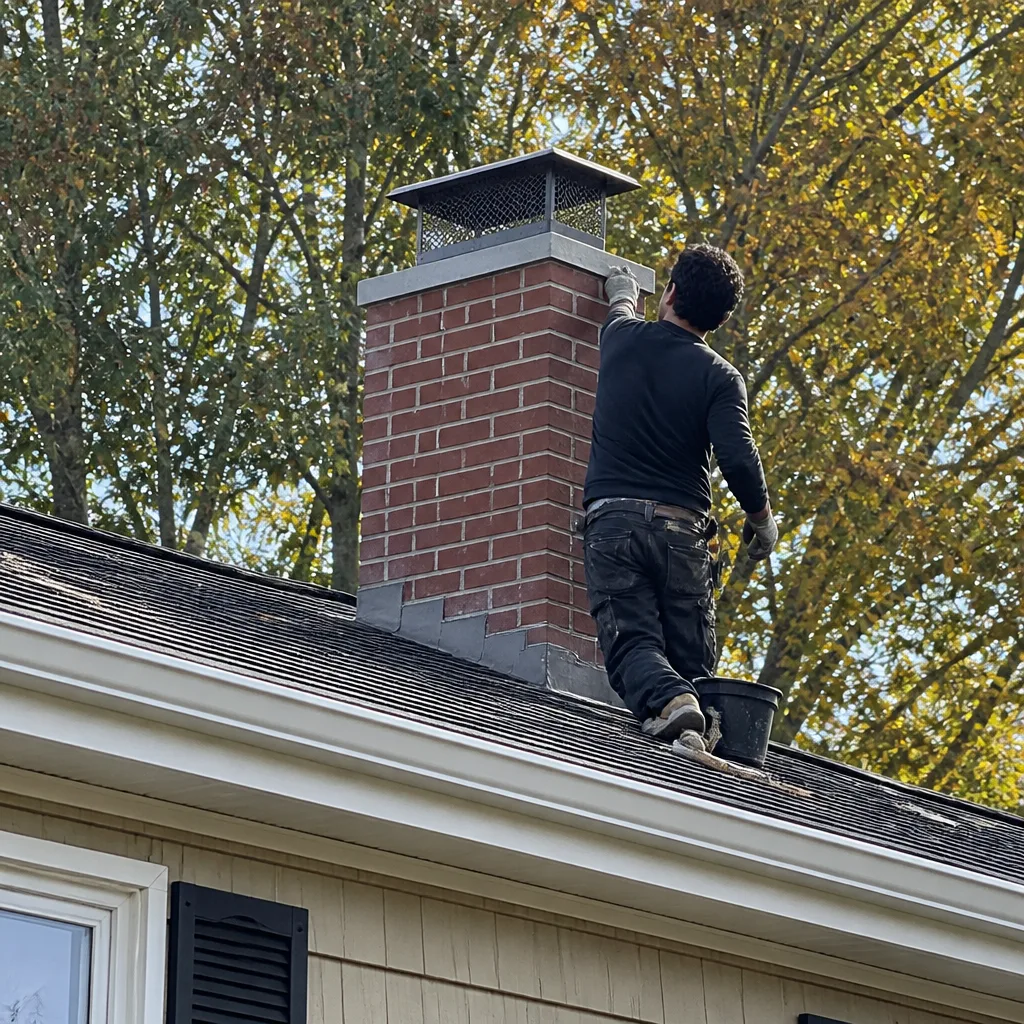
Level 1 sweep and inspection to the NFPA 211 annual standard - flue, crown, cap, and flashing checked and photographed
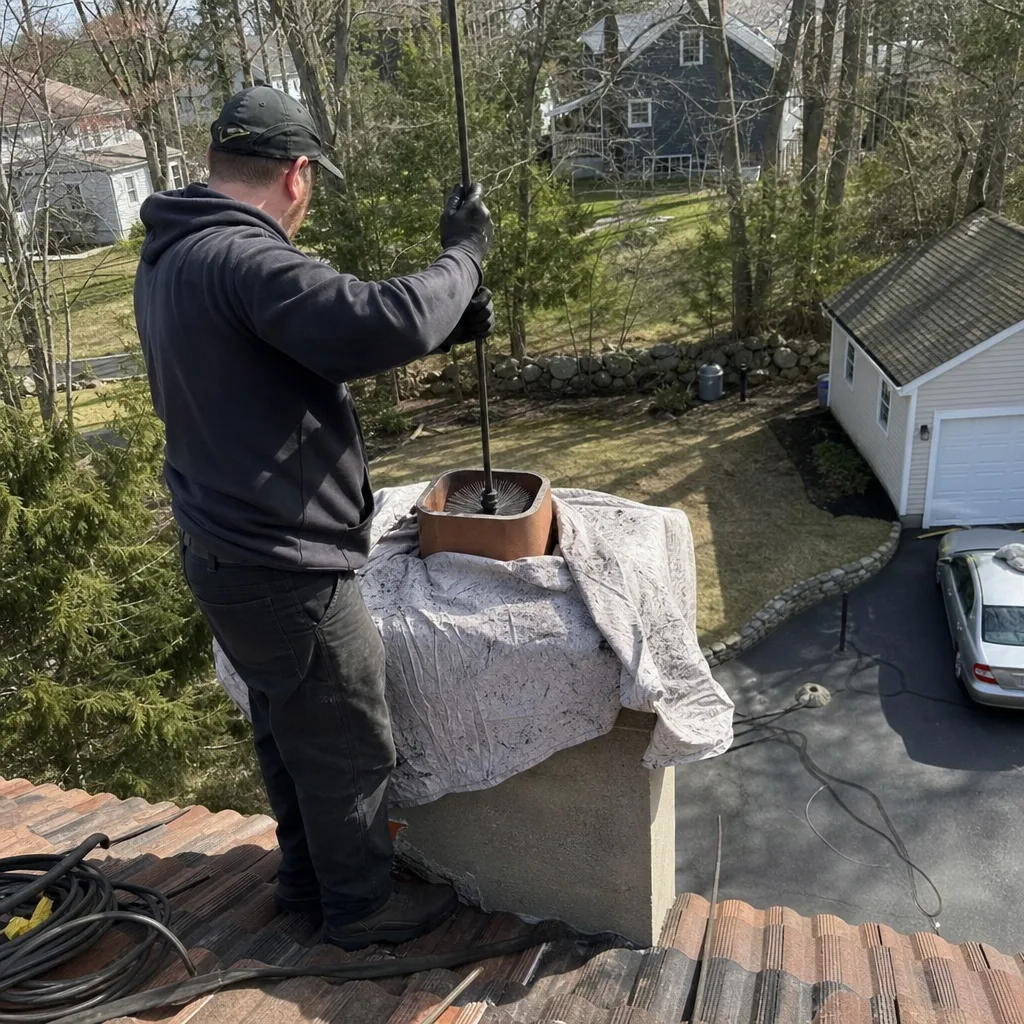
Chimney sweep logs do not sweep chimneys. They loosen some creosote - which then falls where a brush and vacuum still have to collect it.
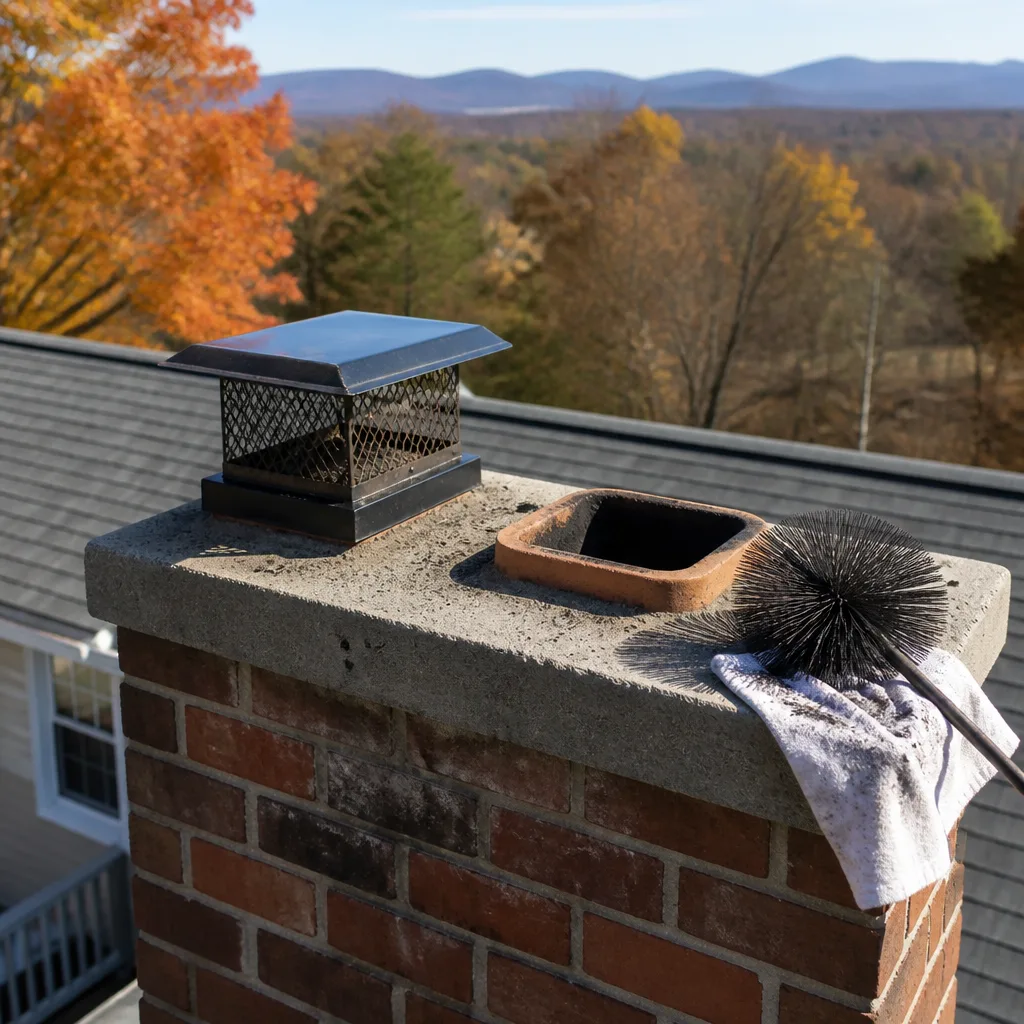
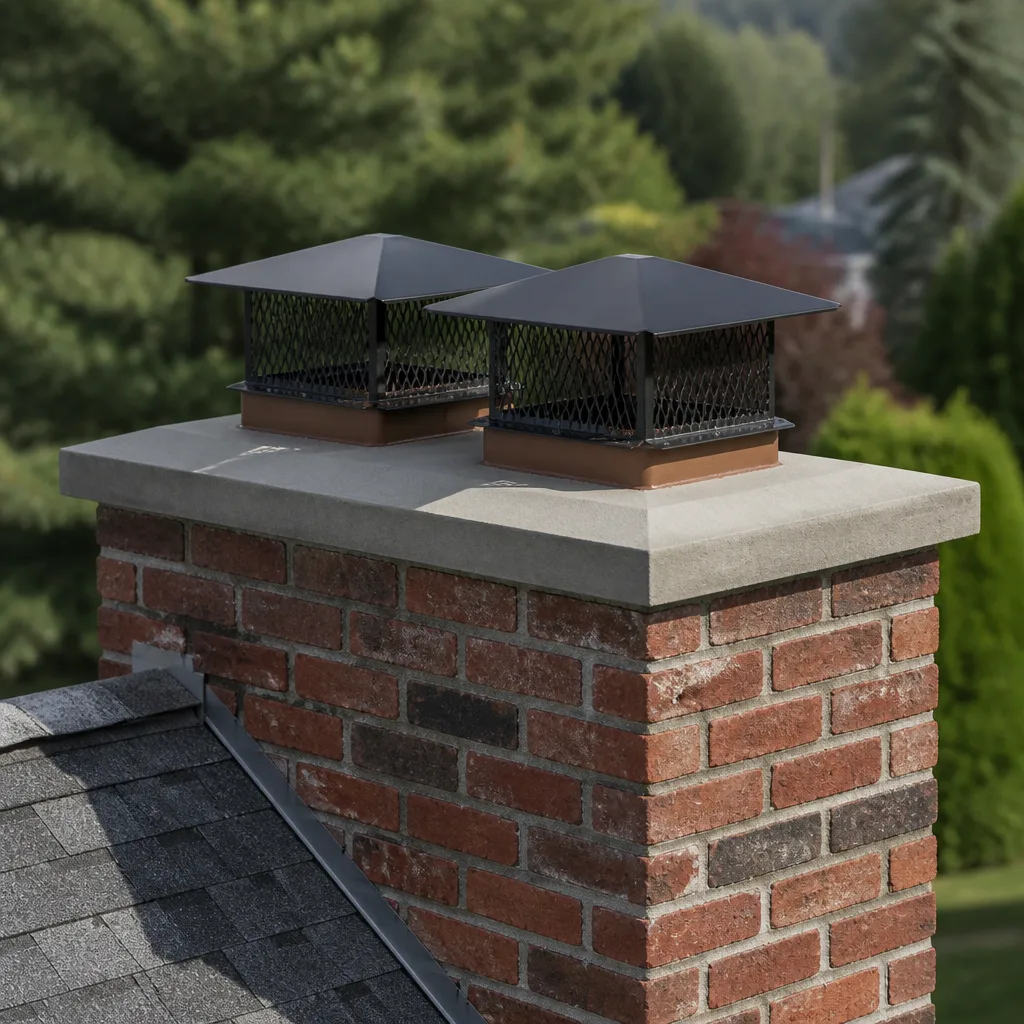
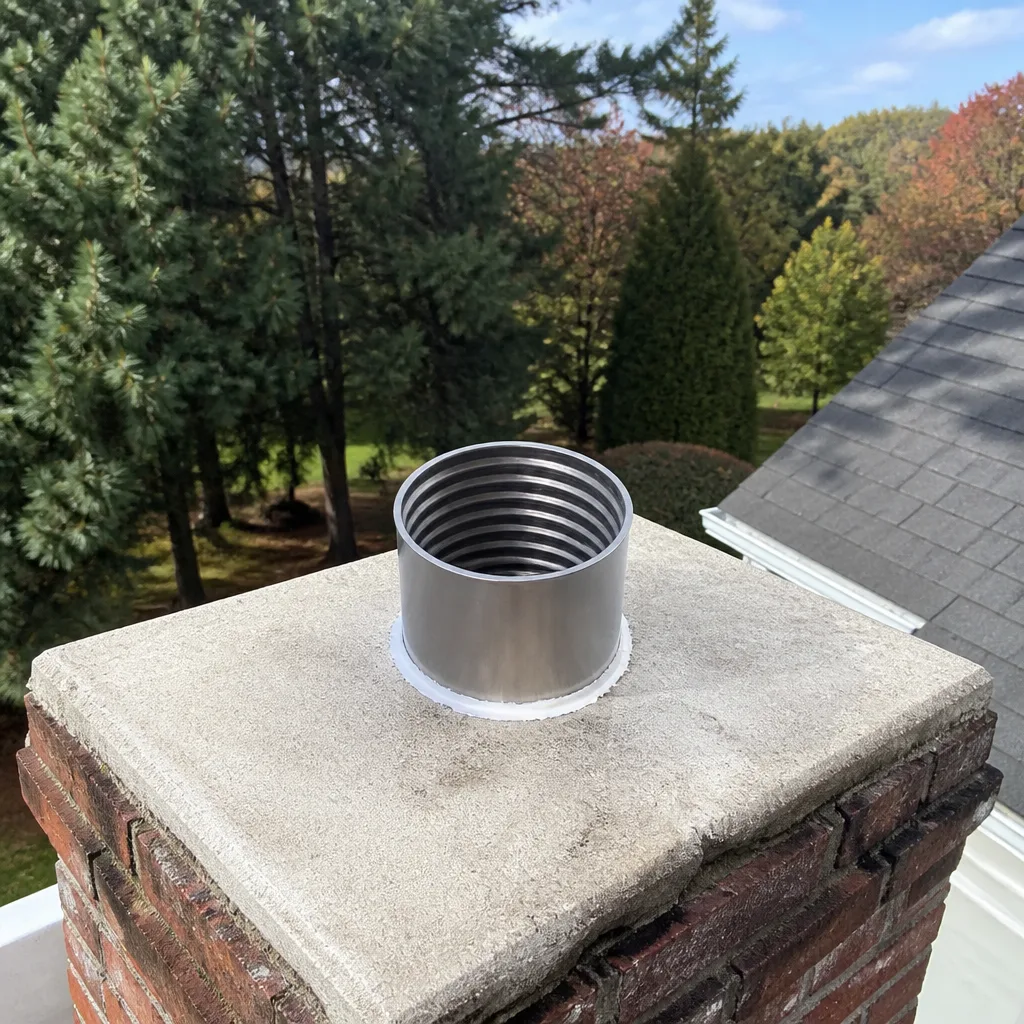
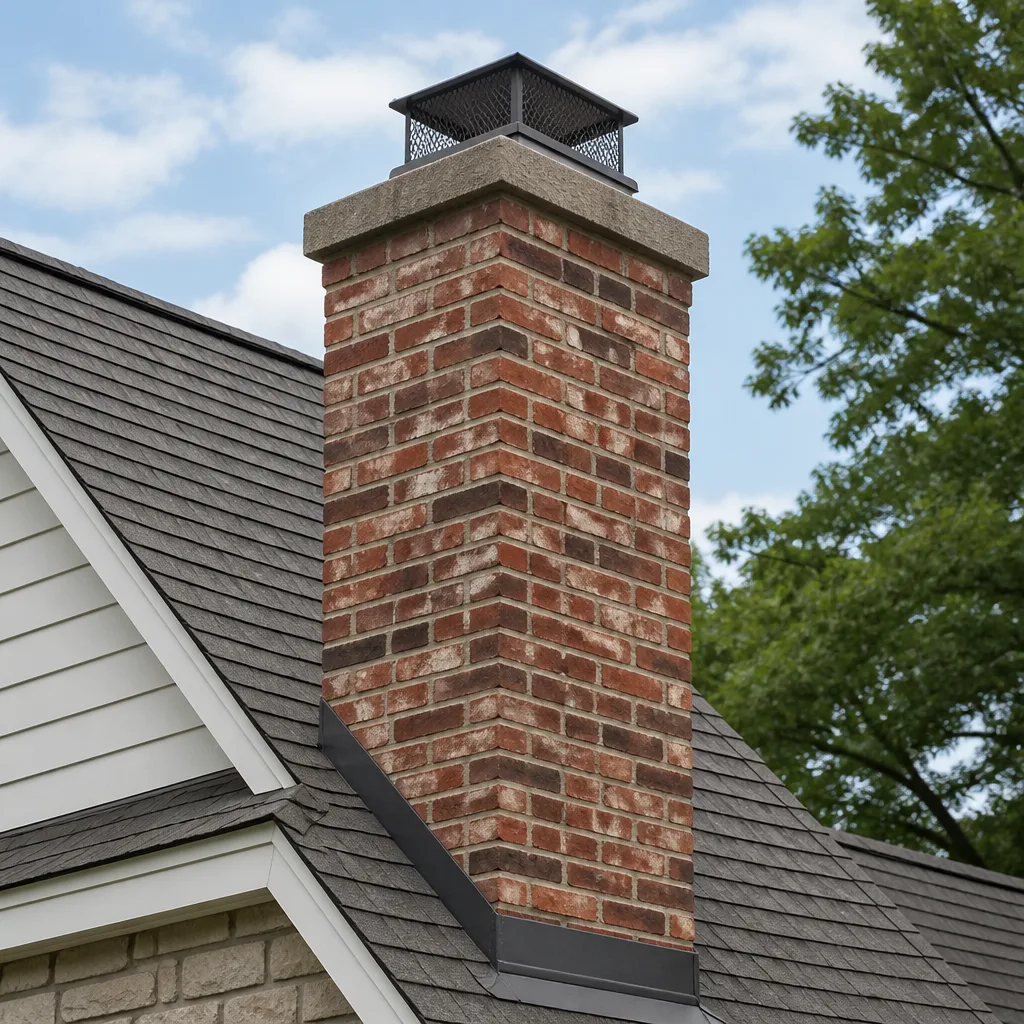
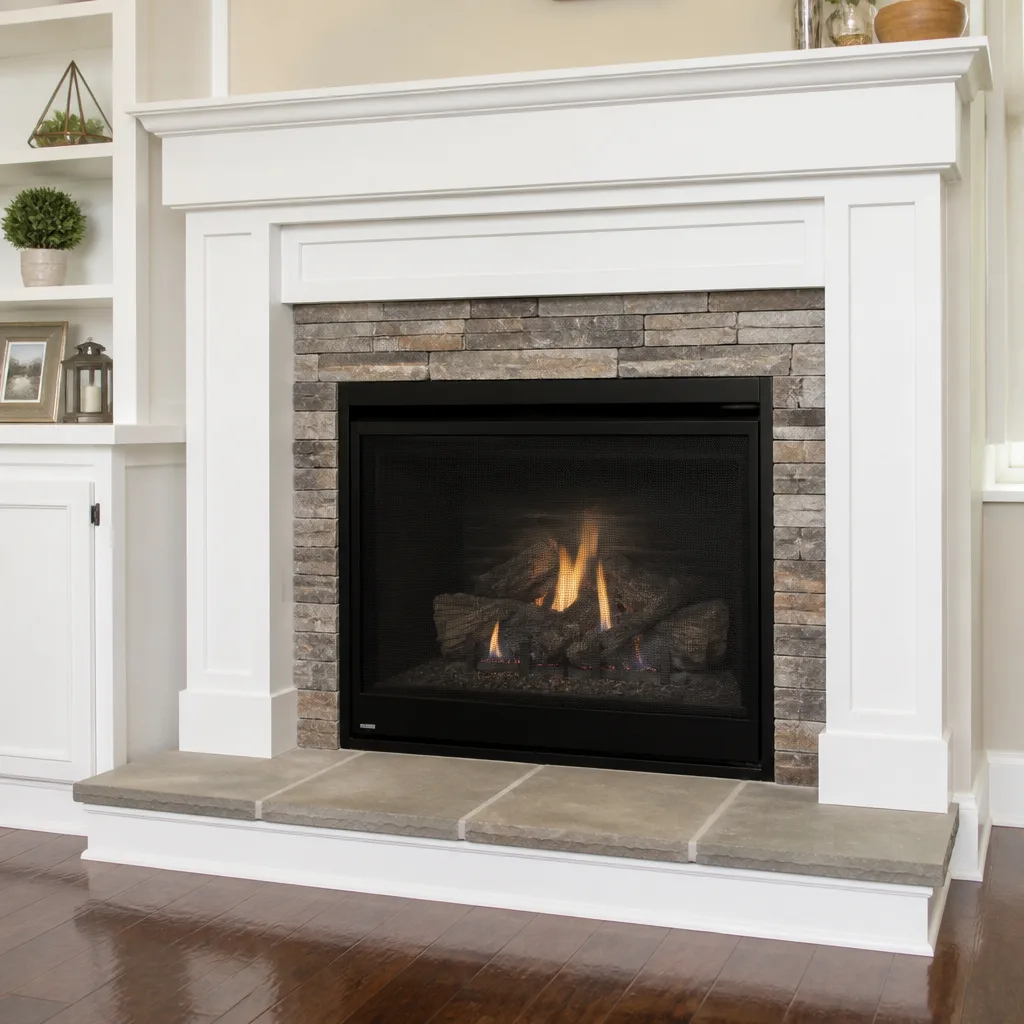
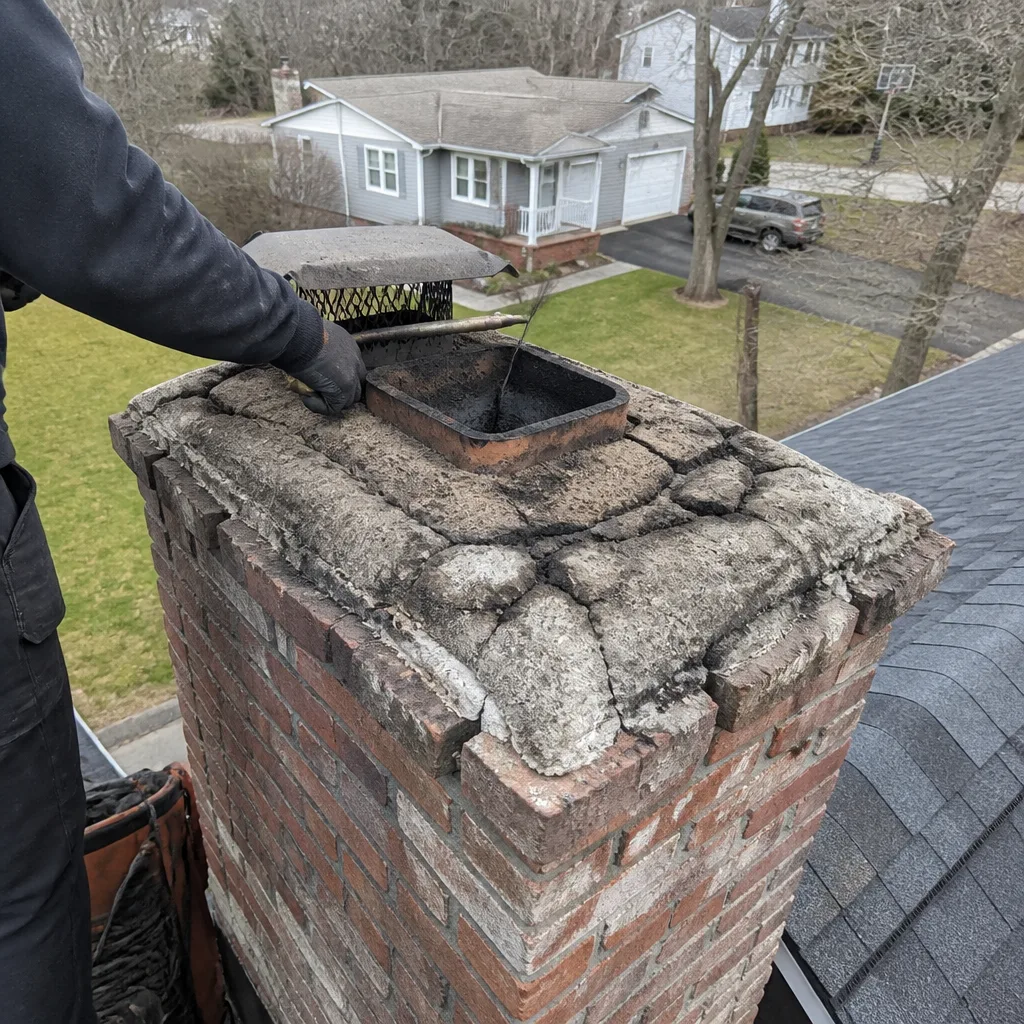 Before
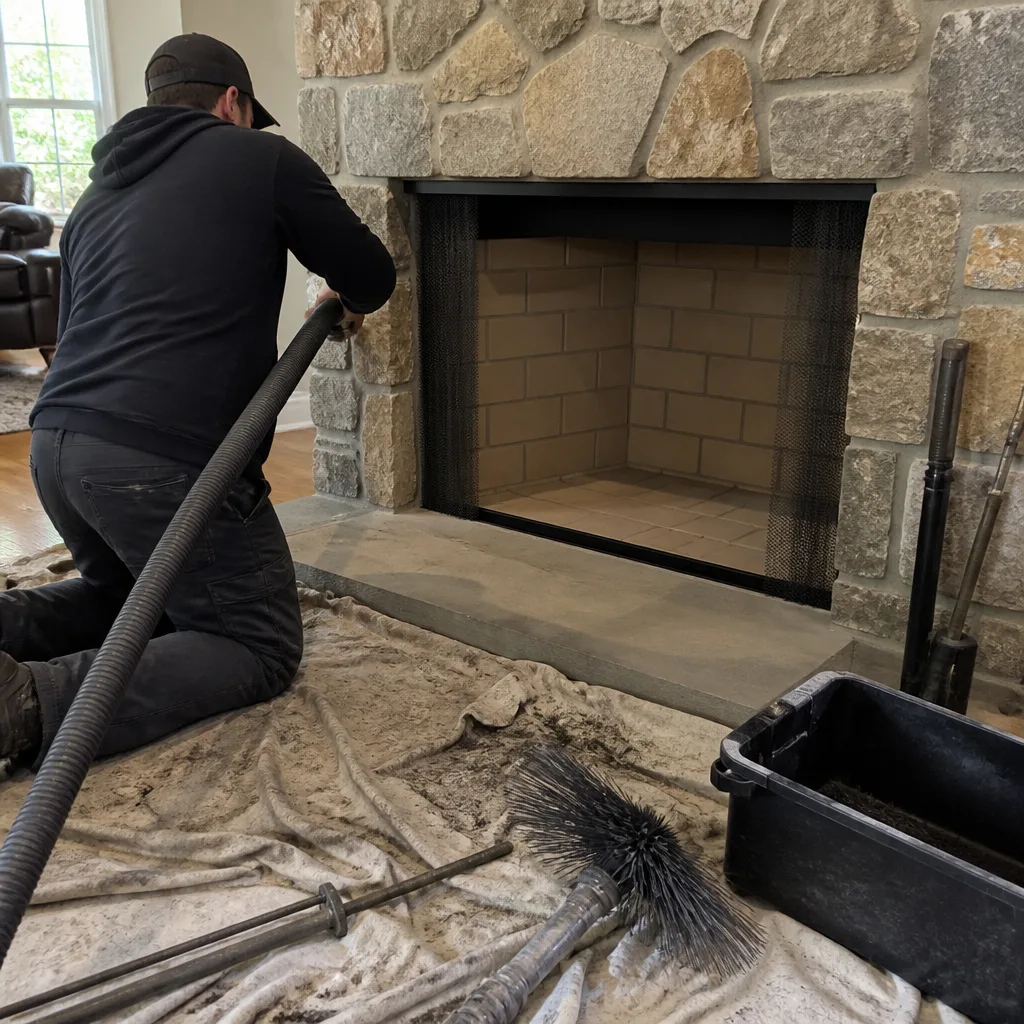 After
After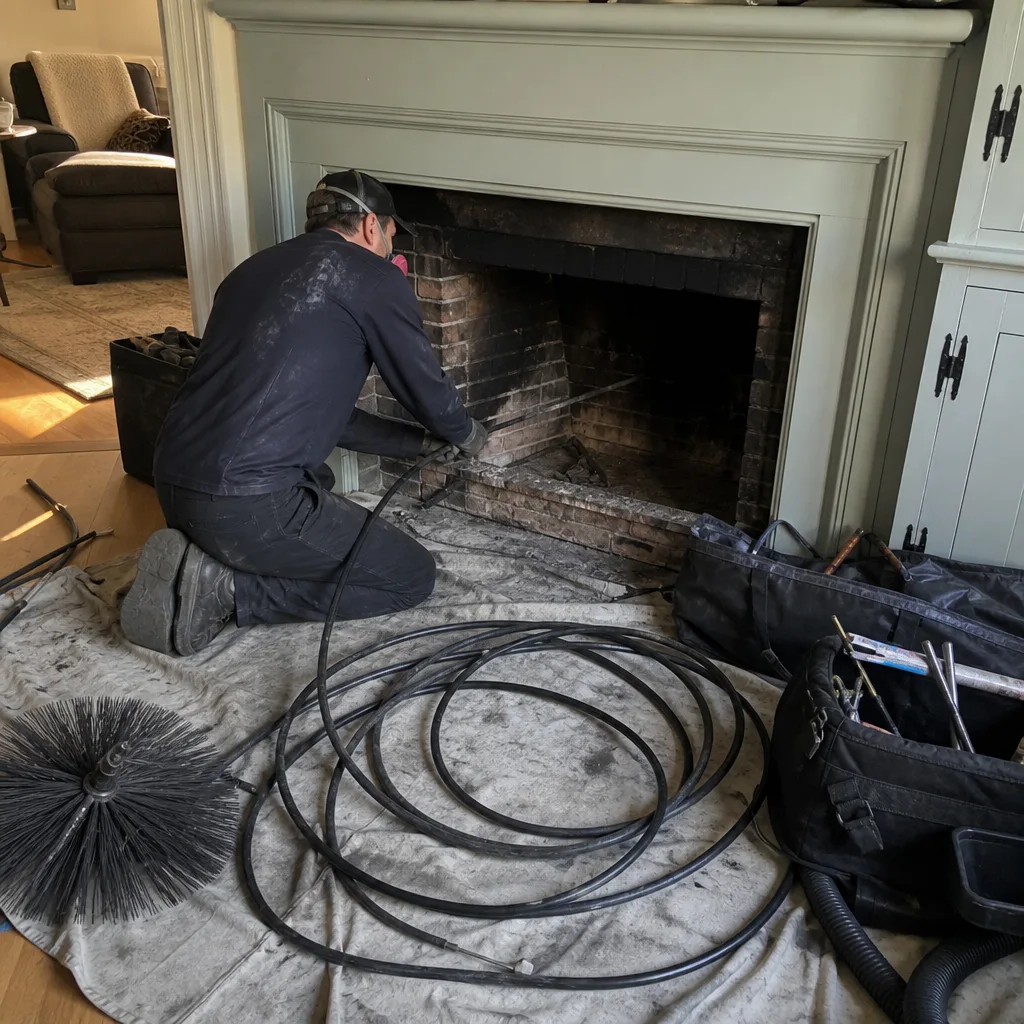 Before
 After
After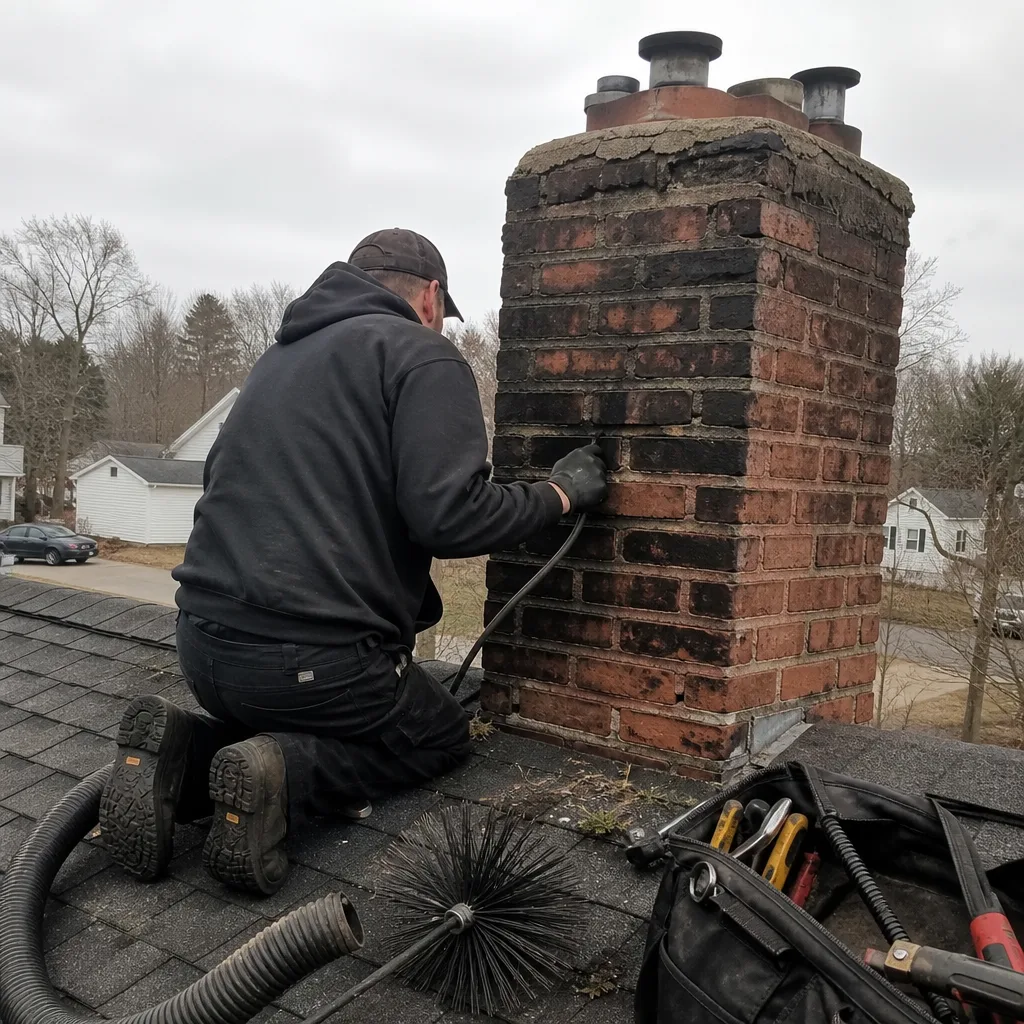 Before
 After
AfterChimney Cleaning Warning Signs: A Framingham Homeowner’s Reference Guide
That white stain creeping down your chimney’s exterior brick? It’s not dirt, and it’s not something a pressure washer fixes. In Framingham, where freeze-thaw cycles attack mortar joints from October through April, efflorescence means water has already traveled through the masonry long enough to carry mineral salts to the surface. The liner behind that wall may already be compromised. Most chimney warning signs are misread because homeowners stare at the firebox while the actual damage hides in the upper flue, twenty feet above where anyone normally looks. This guide maps each visible symptom back to its source location so you know whether a routine sweep or a camera scan is the right first call, or browse more guides & resources for related chimney maintenance topics.
Quick Answer
The five chimney warning signs every Framingham homeowner should watch for are: exterior masonry stains or spalling brick (water intrusion), smoke backing up into the room (blockage or draft failure), a persistent campfire smell when the fireplace is cold (creosote buildup), visible cracks in the firebox or damper (structural heat damage), and water stains on ceilings or walls adjacent to the chimney (flashing or crown failure). A standard sweep removes creosote and minor blockages. Structural damage requires camera inspection and repair before the next fire. For a deeper look at professional cleaning options, see The Complete Guide to Chimney Cleaning in Framingham.
Table of Contents
- Exterior Masonry Warning Signs
- Firebox Interior Warning Signs
- Smoke Behavior and Draft Problems
- Smell and Odor Warnings
- Ceiling and Wall Adjacent Damage
- Urgency Scale: When to Stop Using the Fireplace
- What Camera Footage Reveals
- Framingham-Specific Risk Factors
 Before
 After
AfterExterior Masonry Warning Signs
Homeowners in Framingham’s older neighborhoods - Saxonville, the area around Concord Street, and the pre-war stock near downtown - often notice exterior problems first. The brick itself is talking. You just need to know the language.
Efflorescence is that white, powdery deposit on brick surfaces. It forms when water moves through masonry, dissolves natural salts, and deposits them on the surface as it evaporates. In Framingham, we see this most often after heavy spring rains saturate walls that have been absorbing moisture all winter. The critical distinction: efflorescence itself is not structural damage, but it proves water is moving through the masonry system. And water moving through masonry eventually degrades mortar joints, spalls brick faces, and reaches the flue liner.
Spalling is when brick faces flake off or pop entirely, exposing the softer interior. This happens when water enters brick, freezes, and expands. Framingham’s 90-plus freeze-thaw cycles per winter season make this a genuine threat. Spalled brick near the chimney crown often indicates crown failure. Spalling lower on the stack suggests groundwater wicking or failed flashing.
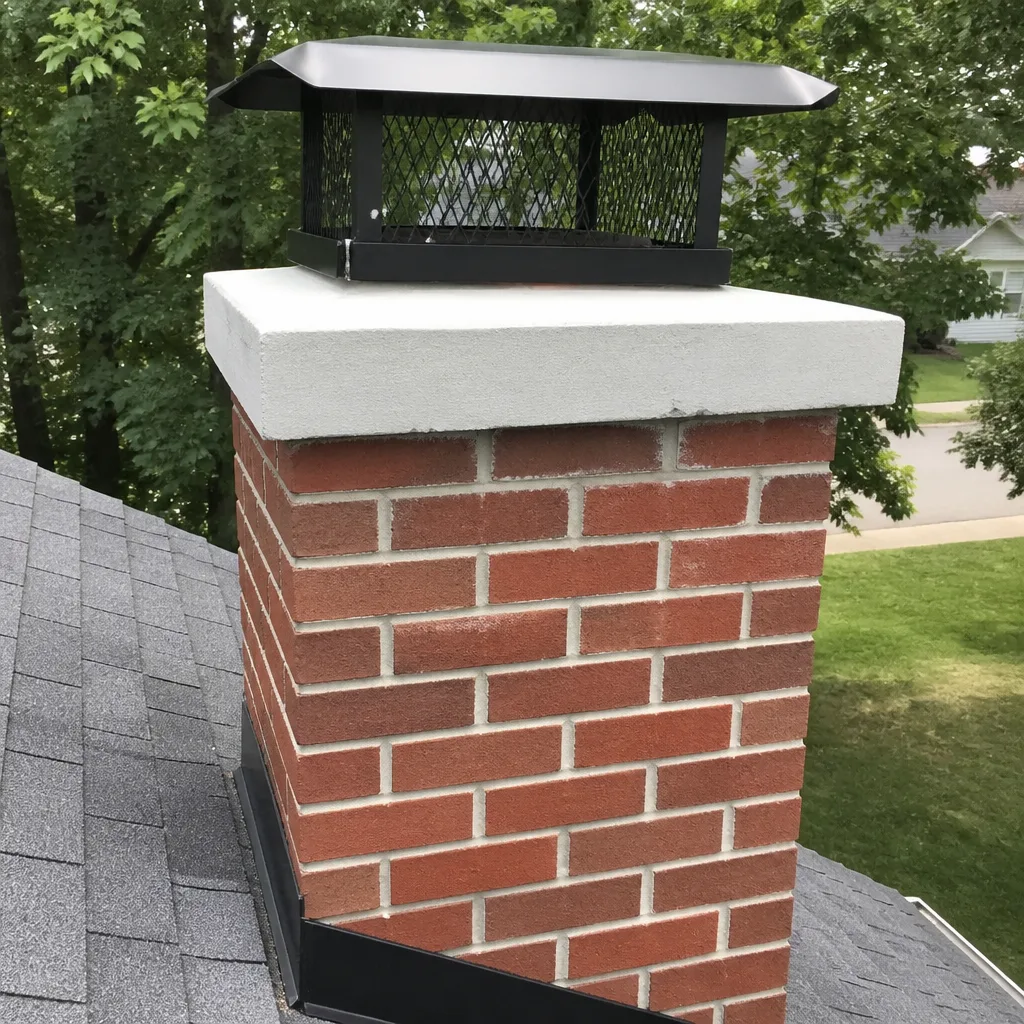
Missing or deteriorated mortar joints are the entry point. Repointing (grinding out old mortar and replacing it) is standard maintenance. But if joints are open above the roofline, water is likely entering the flue system directly.
Here’s what each exterior sign means for your next step:
- Efflorescence only, brick intact: Schedule a camera inspection within the season. The liner may be fine, but water pathways are established.
- Spalling brick or open joints: Camera inspection plus masonry evaluation. Do not assume the liner is intact.
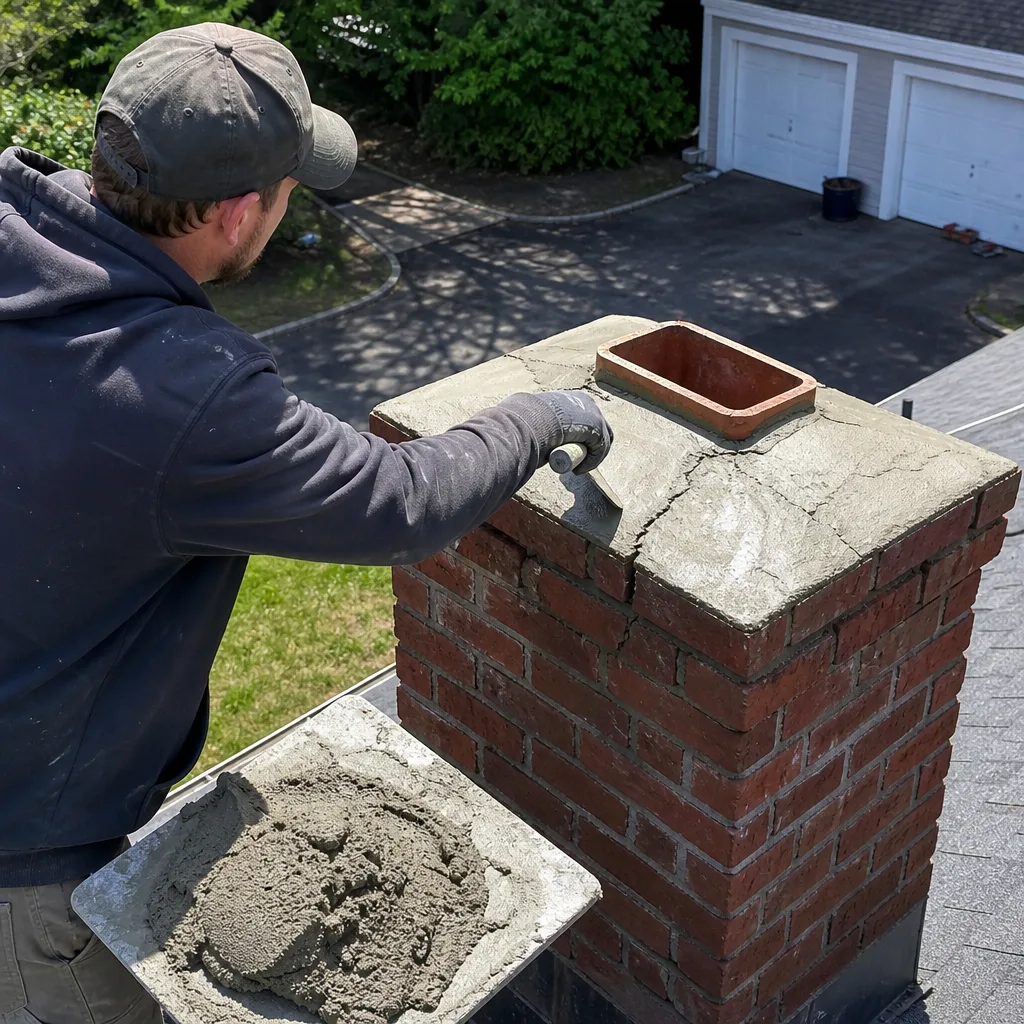
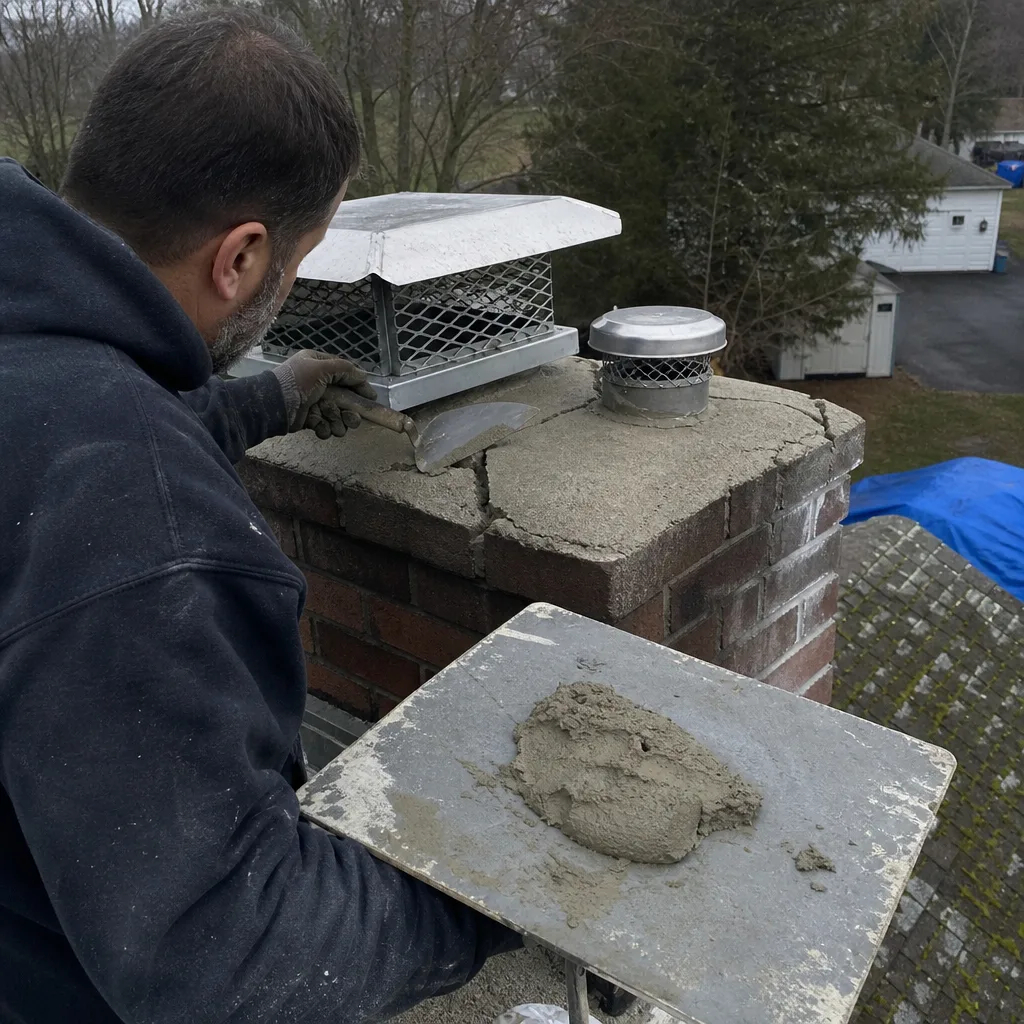
- Crown cracks visible from ground: Crown repair is likely needed. A cracked crown funnels water directly into the flue.
- Green or black biological growth on brick: Chronic moisture. Often paired with interior liner damage in our Framingham inspections.
The Chimney Repair in Framingham page details how we document crown and masonry conditions with photo records under Haven Standard Clause 4.
Firebox Interior Warning Signs
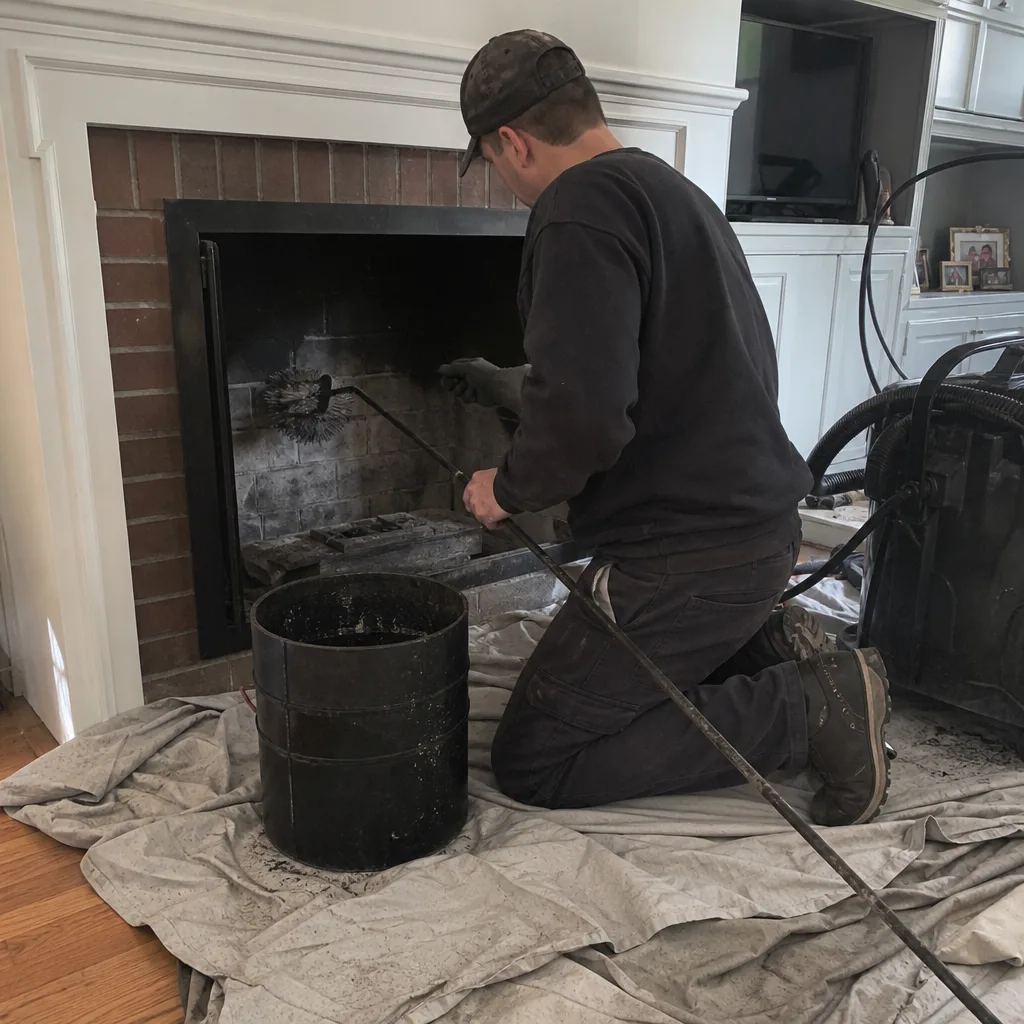
The firebox is where most homeowners look, and it’s where the most dangerous misreadings happen. A clean-looking firebox can hide a deteriorated liner above. A cracked firebox brick, meanwhile, is an immediate safety issue that requires stopping use.
Cracked firebox brick or panels. Factory-built fireplaces use refractory panels that crack from thermal shock. Masonry fireboxes develop cracks in the firebrick lining. Either condition allows heat to reach combustible framing. In Framingham, where many 1970s and 1980s homes have factory-built units now reaching end of service life, we replace panels regularly using materials from Olympia Chimney and Gelco sourced through our Haven buying network.
Damper corrosion or misoperation. The damper should open fully and seat closed without binding. Rust flakes or a warped plate indicate water entry or over-firing. A damper that won’t fully open creates draft problems and smoke backup. A damper that won’t fully close wastes energy and admits cold air.
Smoke staining above the firebox opening. This blackening indicates smoke spillage, which means draft is failing or the fireplace opening is oversized relative to flue capacity. It’s not normal. In our Framingham work, we see this most in homes where original coal-burning fireplaces were converted to wood without proper sizing calculations.
Loose or missing mortar in firebox joints. Unlike exterior repointing, firebox mortar is exposed to direct flame. Eroded joints allow heat transfer to surrounding structure. We document this with close-up photography and thermal readings when indicated.
Three signs that require stopping use immediately:
- Any crack or gap in the firebox that exposes metal or framing behind it
- A factory-built firebox with a panel crack wider than a nickel
- Visible glowing or hot spots on exterior walls adjacent to the firebox during use
These are not cleaning issues. They are repair issues, and the fireplace should not be used until evaluated.
Smoke Behavior and Draft Problems
Smoke should rise. When it doesn’t, the cause is either blockage, negative pressure, or flue design failure. Each has a distinct signature.
Smoke backup on cold start. Cold air sits in an unused flue, especially on exterior chimneys common in Framingham’s split-level and ranch construction. The standard remedy is pre-heating the flue with a rolled newspaper or small kindling fire before loading fuel. But if smoke backup persists after the flue is warm, you have a blockage or sizing problem.
Smoke spillage when adding fuel. This often indicates an undersized flue or a restricted throat. In Framingham’s older homes with unlined brick flues, the original flue may have been adequate for coal but is too small for modern wood-burning efficiency. A Fireplace Services in Framingham evaluation can determine whether relining is appropriate.
Smoke on windy days only. Wind-induced downdraft. The chimney termination may be too low, or nearby trees or structures create pressure zones. We see this frequently in Framingham’s more wooded lots near Callahan State Park and along the Sudbury River. A properly sized chimney cap or draft-inducing termination often resolves it.
Smoke from one appliance when another operates. This indicates flue sharing or leakage between flues in a common chimney. It’s a code violation in current standards and a carbon monoxide risk. Immediate professional evaluation is required.
Our 38,000-plus inspections since 2009 have taught us that smoke behavior complaints resolve into three categories: 60 percent are blockages or creosote buildup resolved by cleaning; 25 percent are design or sizing issues requiring modification; 15 percent indicate liner damage or structural problems requiring repair. The only way to distinguish them is camera inspection. Not sure whether to tackle maintenance yourself or call a pro? Read DIY vs Professional Chimney Cleaning: The Framingham Homeowner’s Decision Guide.
Smell and Odor Warnings
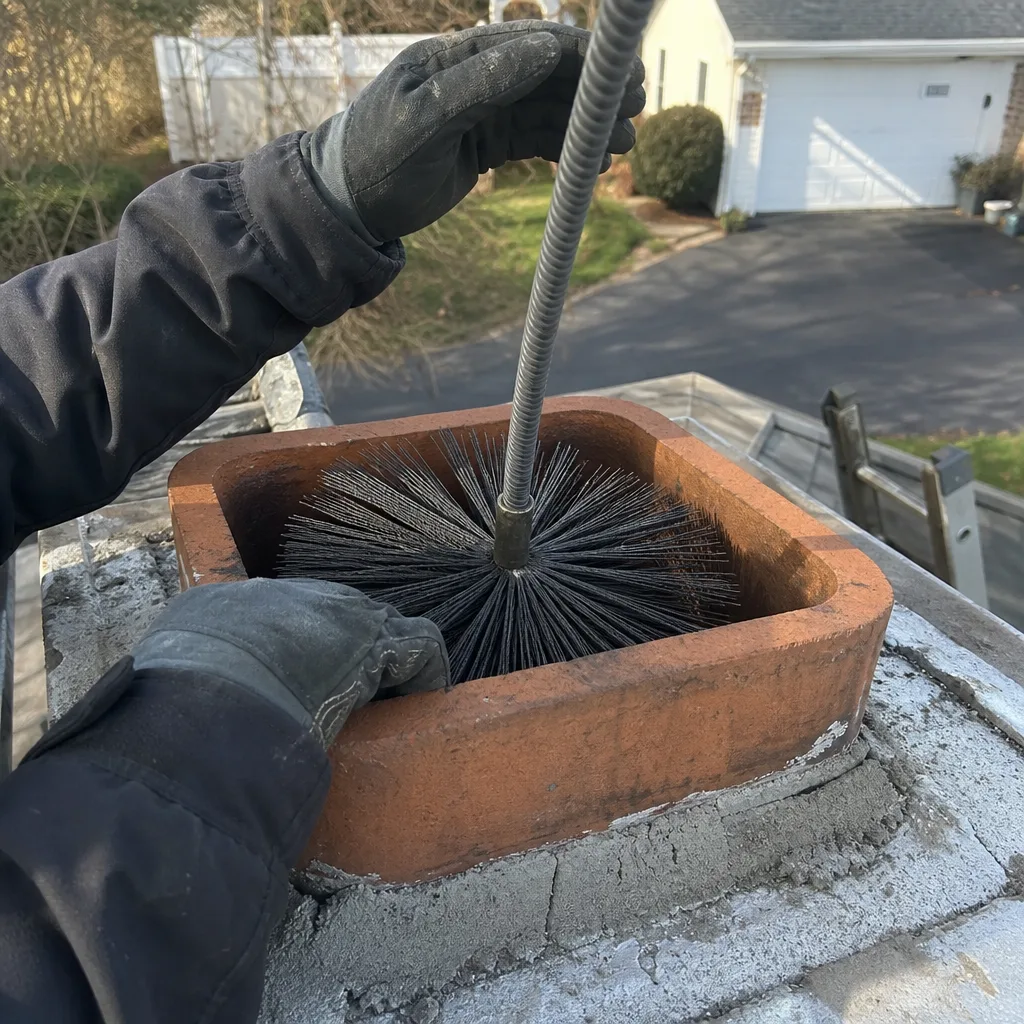
Odor is the most reported warning sign and the most misunderstood. A healthy chimney smells like nothing when not in use. Any persistent odor indicates a condition that needs addressing.
Campfire or asphalt smell when the fireplace is cold. This is creosote odor, and it intensifies with humidity. In Framingham’s humid summers, we get calls weekly from homeowners who notice it when air conditioning creates negative pressure that draws air down the flue. The smell itself is not dangerous, but it proves significant creosote deposits exist. Class I and II creosote (sooty or flaky) clean out with standard sweeping. Class III creosote - glazed, hardened, and shiny - requires chemical treatment or mechanical removal. We identify creosote class during every Chimney Cleaning & Sweep in Framingham and document it in your written report.
Musty or mildew odor. Water in the system. Often accompanied by efflorescence on exterior brick. The source may be crown cracks, flashing failure, or condensation from an improperly sized liner. Musty odor plus water staining requires camera inspection to rule out liner damage.
Rotten egg or sulfur smell. This is not a chimney problem. Natural gas odor requires immediate evacuation and utility notification. Do not operate any switches or create sparks.
Animal or nesting debris odor. Framingham’s squirrel, raccoon, and starling populations find uncapped flues attractive. The smell of decomposition or accumulated droppings is unmistakable. Beyond the odor, nests create blockage and fire hazard. Every flue should have a proper cap with appropriate mesh screening.
We source chimney caps from Famco and Copperfield through our Haven buying network, sized specifically to your flue dimensions and local wildlife pressures.
Ceiling and Wall Adjacent Damage
Damage on interior surfaces adjacent to the chimney chase is often the first visible indicator of a problem that started months earlier at the chimney top.
Water stains on ceiling near the chimney. The classic diagnosis is flashing failure, and that’s often correct. But in Framingham’s older homes with balloon framing, we’ve also tracked ceiling stains to crown cracks that allow water to run down the flue exterior, follow the framing, and exit at the ceiling plane. The repair is at the crown, not the flashing. Camera inspection and attic examination distinguish these cases.
Bubbling paint or wallpaper on chimney-adjacent walls. Moisture migration through the chimney structure. This can indicate a failed liner allowing combustion gases to condense in the masonry, or it can be simple water intrusion. Thermal imaging during inspection helps distinguish the source.
Discolored or warped trim near the fireplace. Heat exposure from firebox cracks, or moisture from chimney leaks. Either way, the trim damage is a symptom, not the disease.
Stains that appear only in winter. This pattern strongly suggests combustion gas condensation, not roof leaks. When warm, moist flue gases contact a cold, oversized flue surface, they condense. The resulting acidic moisture attacks mortar and migrates to interior surfaces. This is common in Framingham homes with original unlined flues now venting modern, more efficient appliances that produce cooler exhaust.
Every evaluation for ceiling or wall damage includes a written scope, written price, and written warranty before any work begins, per Haven Standard Clause 1.
Urgency Scale: When to Stop Using the Fireplace
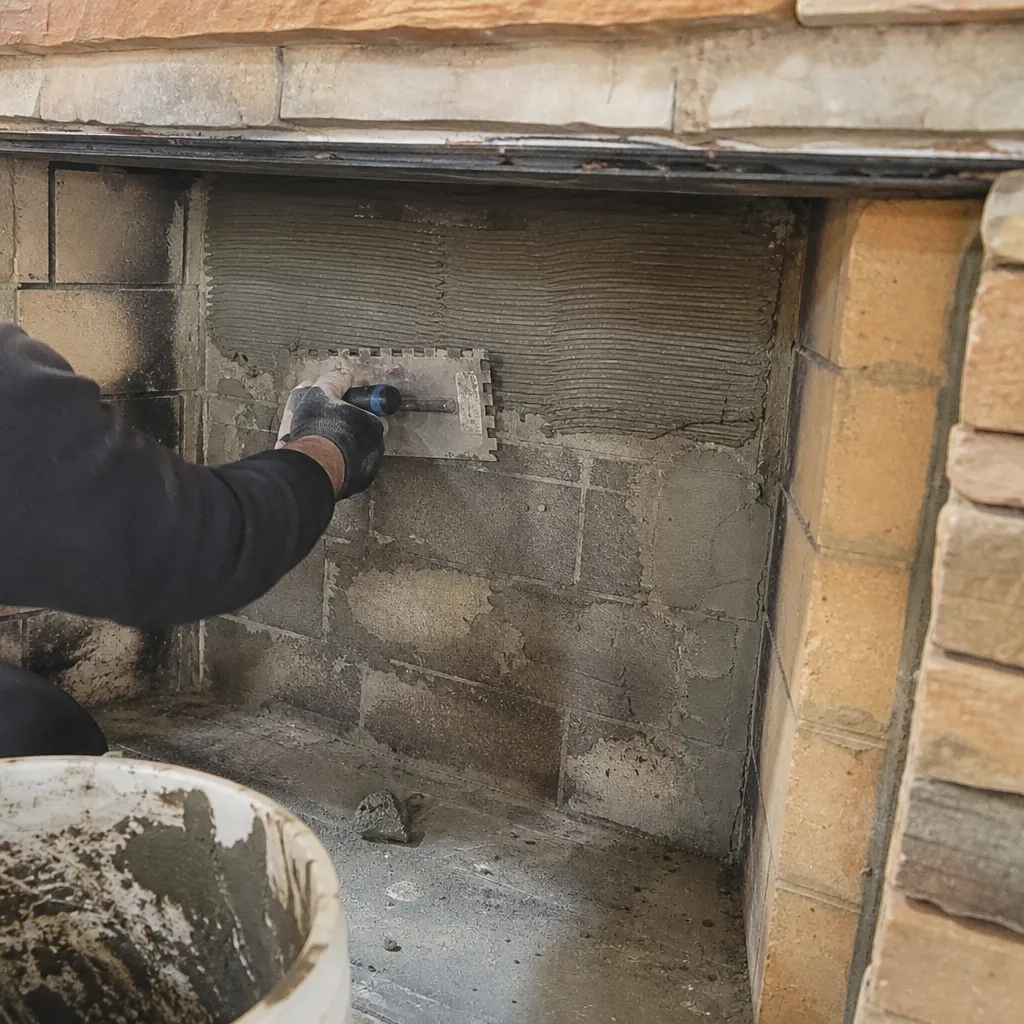
Not every warning sign demands immediate cessation. Some permit cautious, monitored use while scheduling service. Others require the fireplace be closed until repair is complete. Here’s the framework we use in our Framingham service area. If you’re ready to hire help, see How to Hire a Chimney Cleaning Contractor in Framingham: A Step-by-Step Guide.
| Urgency Level | Signs | Action Required |
|---|---|---|
| Schedule within season | Cold-start smoke that clears; mild creosote odor; minor exterior staining without spalling | Book cleaning and inspection; monitor during use |
| Schedule within 2 weeks | Persistent smoke backup; visible creosote buildup; damper malfunction; animal activity sounds | No use until inspected; cleaning likely needed |
| Stop use until repaired | Firebox cracks; liner damage on camera; water entry with visible interior damage; carbon monoxide detector activation | Do not operate; repair required before next fire |
| Emergency | Chimney fire (roaring sound, sparks, hot exterior); structural collapse; gas odor | Evacuate; call 911; then call for evaluation |
The most common error we see: homeowners continue using a fireplace with known firebox cracks because “it still draws fine.” Draft and safety are unrelated. A cracked firebox can draw perfectly while transferring enough heat to ignite adjacent framing. When in doubt, we provide free second opinions on any written estimate from another company.
What Camera Footage Reveals
Since 2009, Level Two Chimney Co. has performed camera-scan documentation on every inspection. Haven Standard Clause 4 requires this photo record on every job. Here’s what we look for and what it means for your decision-making.
Offset flue joints. In clay tile liners, each joint should align cleanly. An offset means tiles have shifted, often from freeze-thaw damage or foundation settling common in Framingham’s varied soils. Small offsets collect creosote and impede cleaning. Significant offsets indicate structural movement requiring evaluation.
Liner cracks. Vertical cracks in clay tile, or circumferential cracks in metal liners, allow heat and combustion gases to reach surrounding structure. The critical question is whether the crack penetrates the full liner thickness. Camera footage with measurement overlay answers this definitively. We show you the footage and explain what we’re seeing before recommending any repair.
Glaze deposits (Class III creosote). This hardened, shiny, tar-like coating is the most dangerous creosote form. It cannot be removed by standard brushing. Camera footage reveals its extent and thickness. Treatment options include chemical degradation over multiple visits or rotary mechanical removal. We quote both approaches in writing with documented before-and-after footage.
Blockages. Nests, collapses, or construction debris. Camera location identifies whether the blockage is accessible from top or bottom, which affects cleaning approach and price.
Missing liner sections. Particularly in Framingham’s unlined chimneys from the early 1900s through 1950s, we find partial liner installations where a previous owner lined only the accessible portion. The upper flue remains bare brick, now eroded and dangerous. Camera footage proves the condition and supports the scope for complete relining using materials from DuraFlex or HeatShield.
You receive all footage and still images with your written report. This documentation becomes part of your home’s maintenance record and supports insurance or real estate transactions.
Framingham-Specific Risk Factors
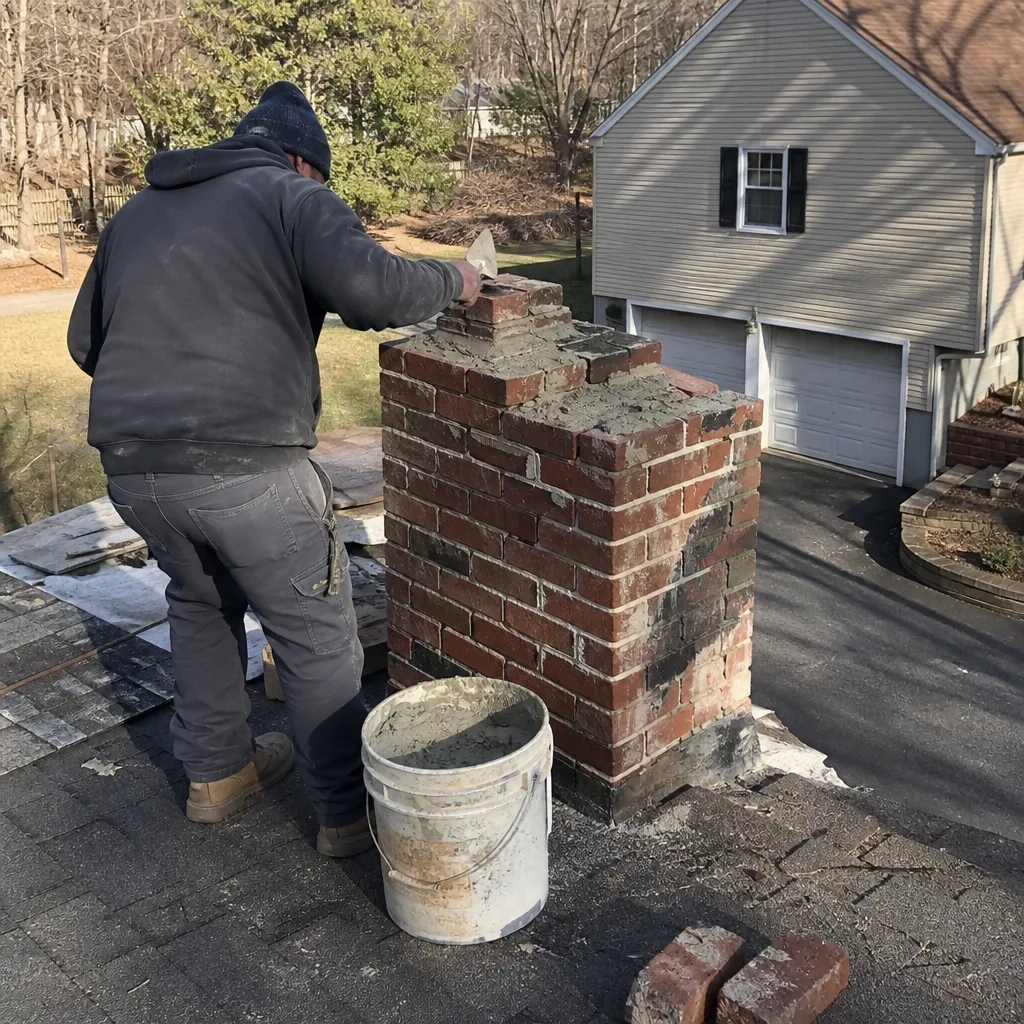
Local conditions in Framingham create chimney hazards that generic guides miss. We’ve documented these through thousands of local inspections.
Heavy spring rain and older brick stock. Framingham’s spring precipitation often comes in concentrated events - two inches in twenty-four hours is not unusual. The town’s older brick, particularly in Saxonville and the historic districts near the Common, was fired at lower temperatures than modern brick. It’s more porous, absorbs more water, and spalls more readily. After heavy rain events in April and May, we see a predictable surge in water-damage calls. The damage started in January’s freeze-thaw cycle; the rain just made it visible.
Condensation patterns in unlined flues. Many Framingham homes built between 1880 and 1940 have never been lined. When these flues vent modern gas appliances, the cooler exhaust condenses on the large masonry surface. The resulting acidic moisture erodes mortar and stains interior walls. The correct repair is a properly sized stainless liner, not repeated pointing of the exterior brick. We identify this pattern by correlating interior stains with camera footage showing wet, eroded flue walls.
Neighborhood-specific construction eras. The post-war ranches near Edgell Road and the split-levels off Route 9 typically have factory-built fireplaces now forty to sixty years old. Refractory panel degradation and metal chase rust are predictable at this age. The colonial and Cape-style homes near Nobscot have masonry chimneys that may have been partially lined or modified multiple times, creating hidden junctions and sizing mismatches.
Local fuel patterns. Framingham’s cordwood market draws from mixed hardwoods - oak, maple, birch - that burn relatively cleanly when seasoned. But “seasoned” is often claimed at nine months, not the eighteen to twenty-four months required for full moisture reduction. Burning insufficiently dried wood from local suppliers accelerates creosote accumulation. We test moisture content during inspections and can recommend proper storage practices.
Our Level Two Chimney Framingham home page provides additional context on our service area and scheduling.
Common Mistakes to Avoid
- Assuming a clean firebox means a clean flue. The firebox is accessible and often cleaned by homeowners. The upper flue, where creosote concentrates and liner damage occurs, is not. A clean firebox proves nothing about flue condition.
- Using chimney cleaning logs as a substitute for sweeping. These products may loosen light creosote deposits but do not remove them. They can also create loose debris that obstructs the flue. They’re a maintenance supplement, not a replacement for professional cleaning with camera verification.
- Ignoring spring and summer odors because “we’re not using it.” Odor in warm weather indicates creosote or moisture present year-round. Addressing it in summer means the system is safe for fall use, and scheduling is easier before the September rush.
- Hiring based on the lowest phone quote without written scope. In Framingham’s competitive sweep market, low initial quotes often exclude camera inspection, exclude the written report, or balloon once the technician is on-site. Haven Standard Clause 1 requires written price, scope, and warranty before work starts. No exceptions.
- Continuing to use a fireplace after any smoke detector or CO detector activation. One activation is enough. The detector is doing its job. Determine the cause before the next fire.
- Assuming all sweeps include camera inspection. Most do not. A flashlight look from the top or bottom is not a Level 2 inspection and will miss liner damage, hidden blockages, and construction defects that camera footage reveals.
When to Call a Professional
Call when you observe any sign this guide describes and cannot confidently trace it to a benign cause. Call before the heating season if your chimney has not been inspected in the past twelve months. Call immediately if you suspect a chimney fire, smell gas, or have activated carbon monoxide detection.
Level Two Chimney Framingham offers free estimates in Framingham. Every estimate includes a written price, written scope, and written warranty before any work begins. Camera-scan inspection and documented photo records are standard on every job, not optional add-ons, per Haven Standard Clause 4. Our live phone support runs 24 hours a day, 7 days a week. Call (508) 850-0489 to schedule or to request a free second opinion on any written estimate you’ve received.
Frequently Asked Questions
A standard chimney cleaning and Level 2 camera inspection in Framingham typically ranges from $275 to $425, depending on flue accessibility, creosote class, and whether the system is a straightforward single flue or a more complex configuration. We deliver a written price before any work starts, with no surprise additions. Call (508) 850-0489 for an exact quote - estimates are free.
The National Fire Protection Association recommends annual inspection for all chimney systems, and cleaning as needed based on creosote accumulation. In Framingham, where many homeowners burn mixed hardwoods through the heating season, we find most wood-burning systems need cleaning every one to two years. Gas systems typically require less frequent cleaning but still need annual inspection for liner integrity and venting configuration. Heavy use, unseasoned wood, or known liner damage may require more frequent service.
You need a new liner if the existing one is cracked, corroded, missing sections, or improperly sized for the appliance it serves - conditions we document with camera footage and show you directly. Cleaning removes deposits but does not repair structural liner damage. In Framingham’s older unlined chimneys, we often find that what appears to be a “dirty flue” is actually bare brick eroded by decades of use. No amount of cleaning makes that safe. We explain exactly what the camera shows, quote relining if needed, and clearly state when work can safely wait versus when it cannot.
Skipped maintenance leads to creosote accumulation that increases chimney fire risk, liner degradation that allows heat and gases to reach combustible structure, and moisture entry that erodes masonry from the inside. In Framingham, we’ve documented chimneys where delayed maintenance turned a $300 cleaning into a $4,000 relining and masonry repair. More critically, neglected systems cause an estimated 25,000 chimney fires annually in the U.S. The cost of scheduled maintenance is predictable. The cost of failure is not.
No. Visible firebox soot indicates use but not flue condition. Significant creosote buildup in the upper flue produces no visible firebox change until it’s severe. The only reliable assessment combines internal camera inspection with professional evaluation. We’ve cleaned flues that looked fine from below and found dangerous glaze deposits fifteen feet up. We’ve also inspected chimneys with blackened fireboxes that had minimal upper flue accumulation. Guessing is not a safe strategy.
If any work we perform is not done right, we make it right at no additional cost within one year. This applies to cleaning, repair, and installation work. The promise is stamped on every job under the Haven Standard, and it’s backed by our documented photo record that establishes the condition we found and the work we performed. We don’t ask you to trust our memory; we show you the evidence.
The Bottom Line
Chimney warning signs are location-specific messages. Exterior stains point to water pathways that may have already reached the liner. Firebox cracks demand immediate cessation regardless of draft performance. Smoke behavior distinguishes blockage from design failure from structural damage. Odor reveals creosote class and moisture conditions that visual inspection cannot. The right response is always camera-documented evaluation, not assumption. In Framingham’s climate and housing stock, the cost of documentation is modest; the cost of missing damage is not. Schedule inspection before you need it, know what the footage shows, and demand written scope and price before any work begins.
Written by Corrine Halstead, Owner at Level Two Chimney Framingham, serving Framingham since 2009.