
Last updated September 22, 2026
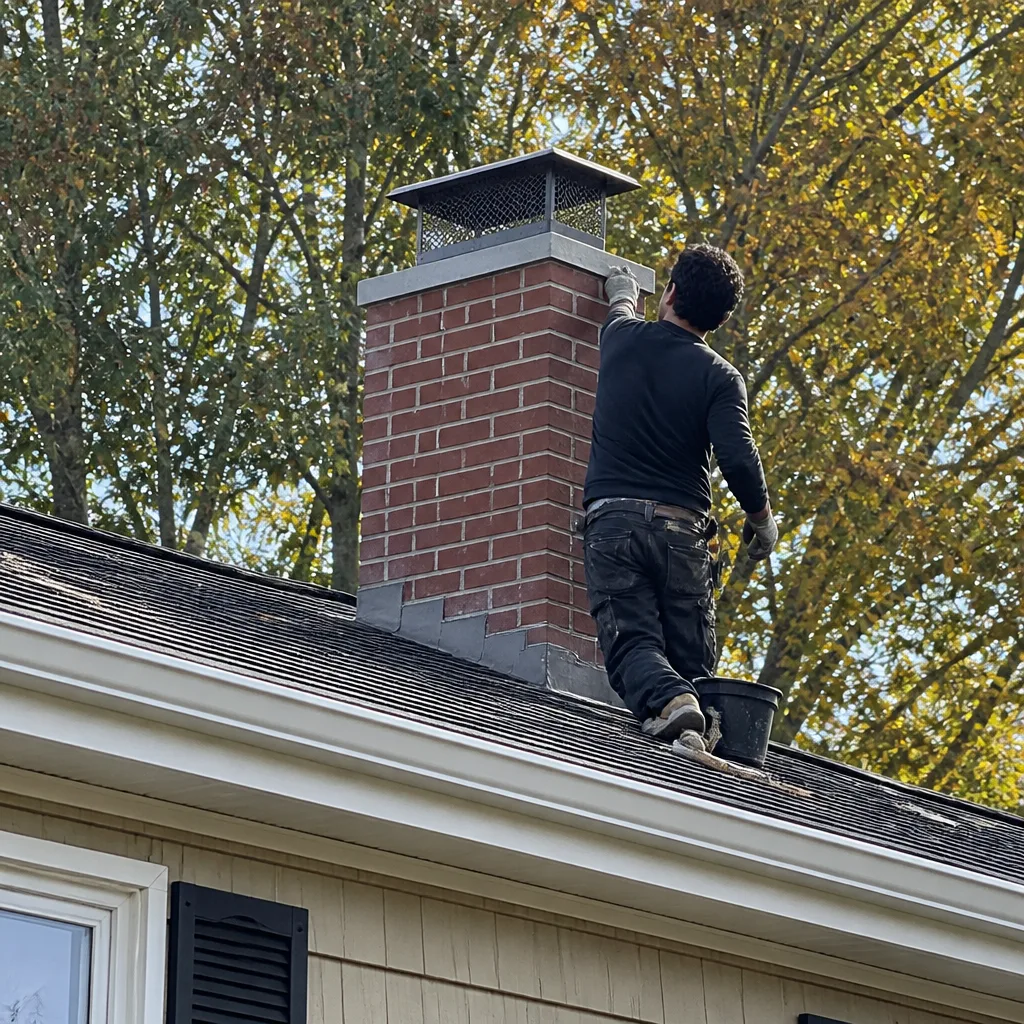
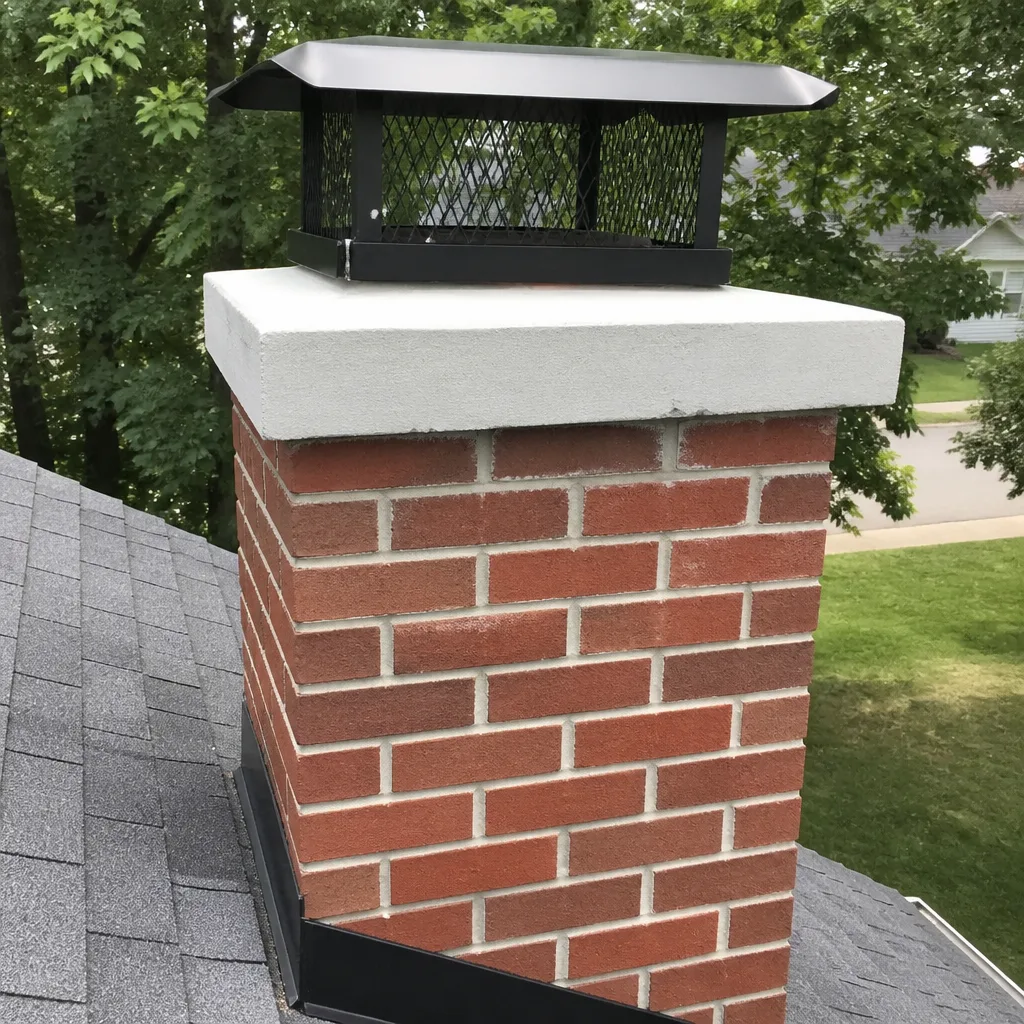
Level 1 sweep and inspection to the NFPA 211 annual standard - flue, crown, cap, and flashing checked and photographed
Chimney sweep logs do not sweep chimneys. They loosen some creosote - which then falls where a brush and vacuum still have to collect it.
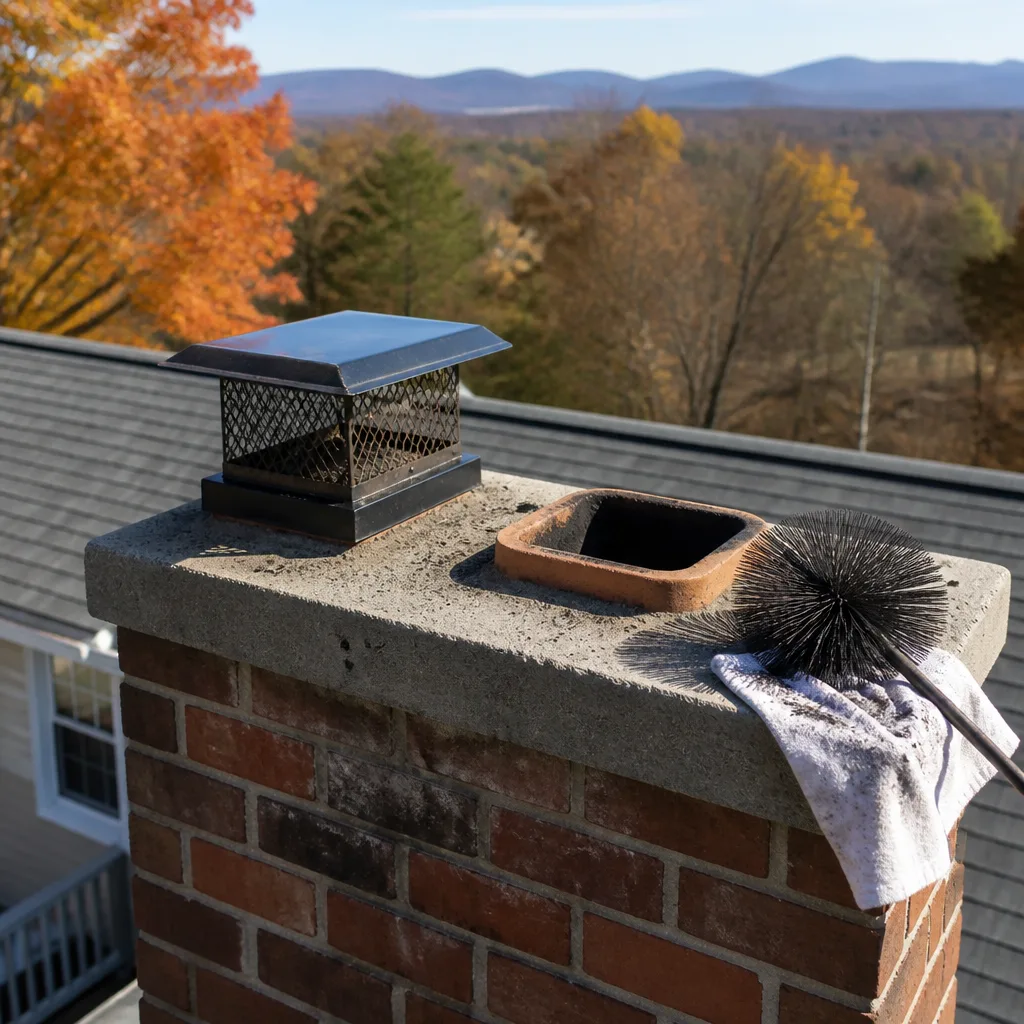
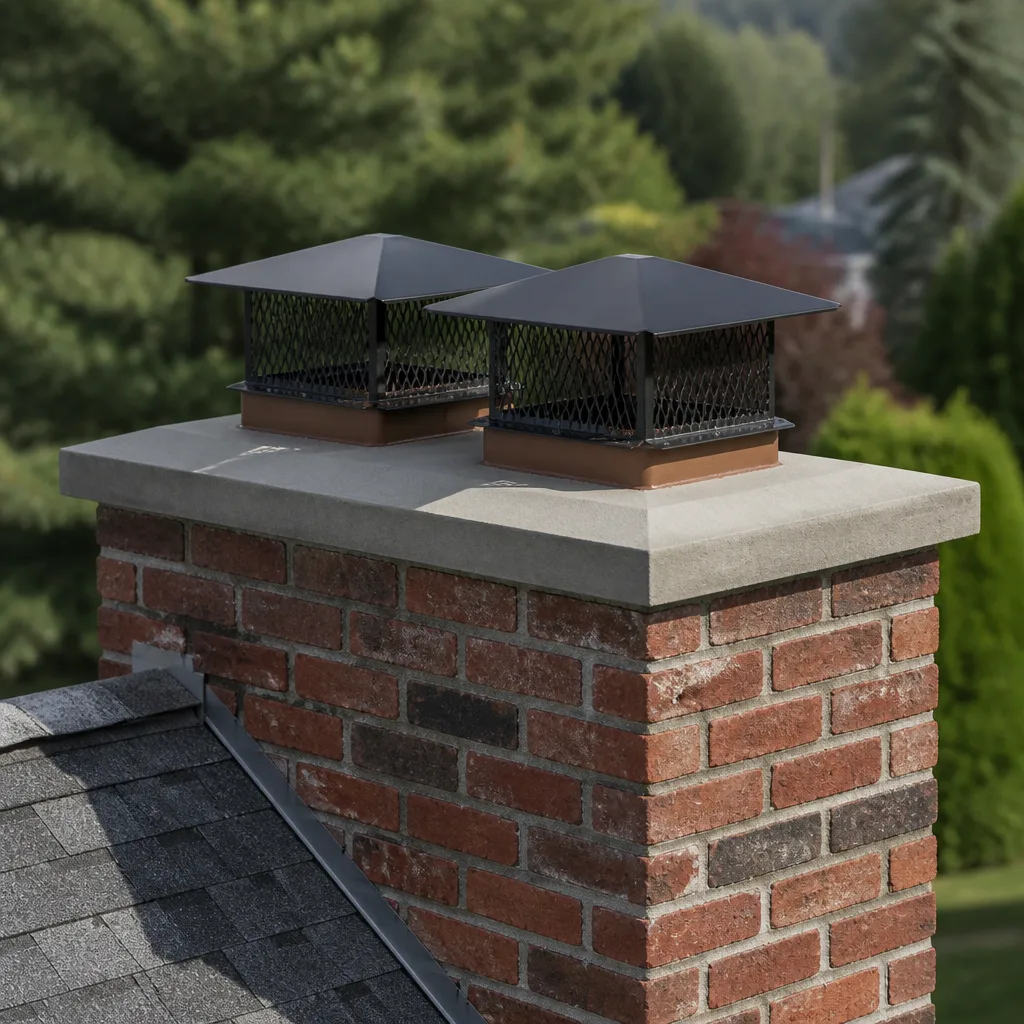
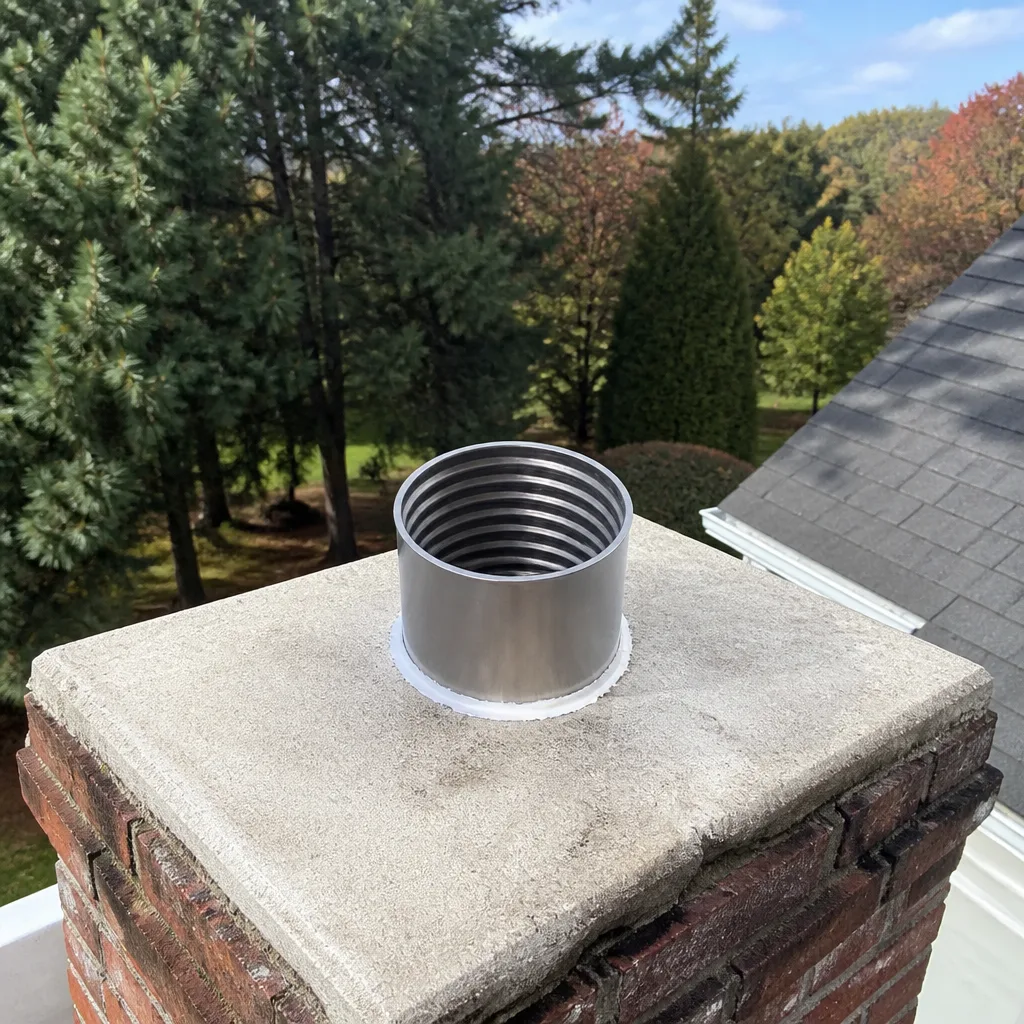
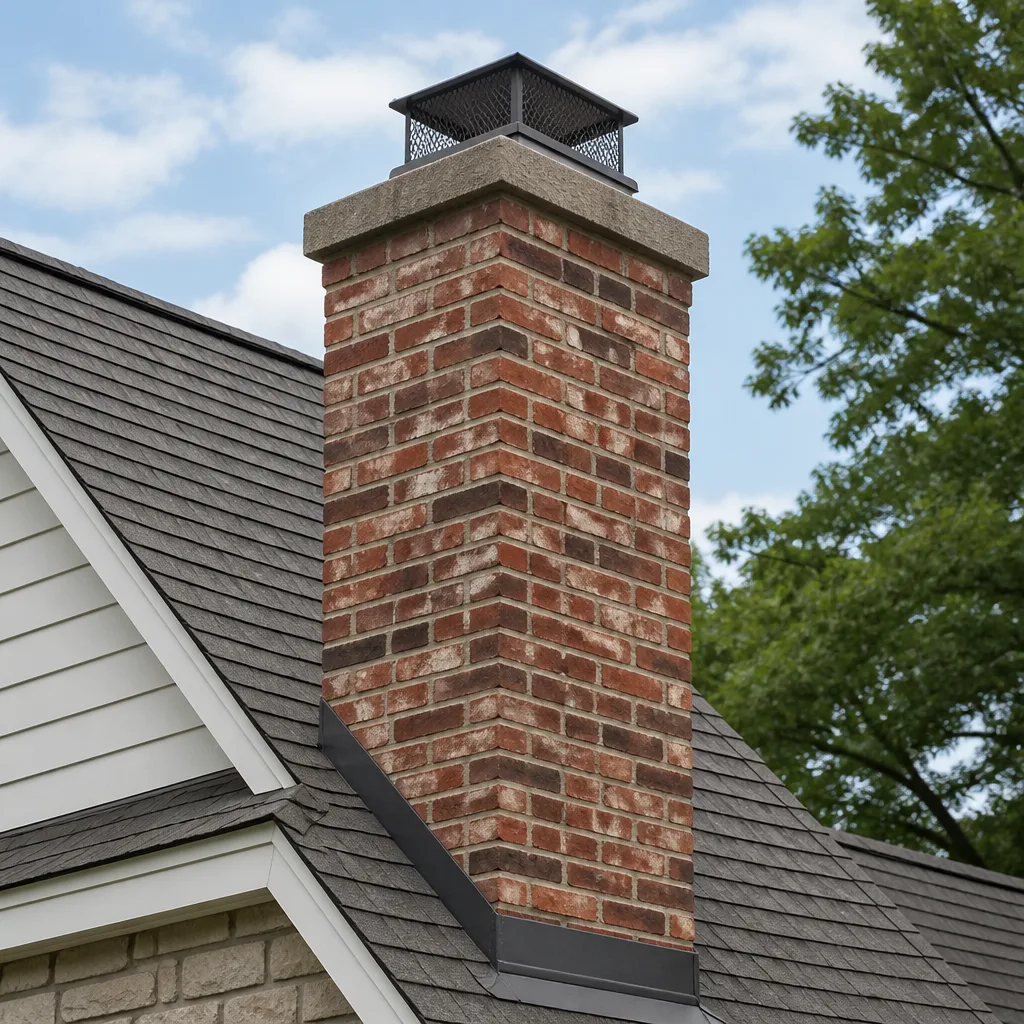
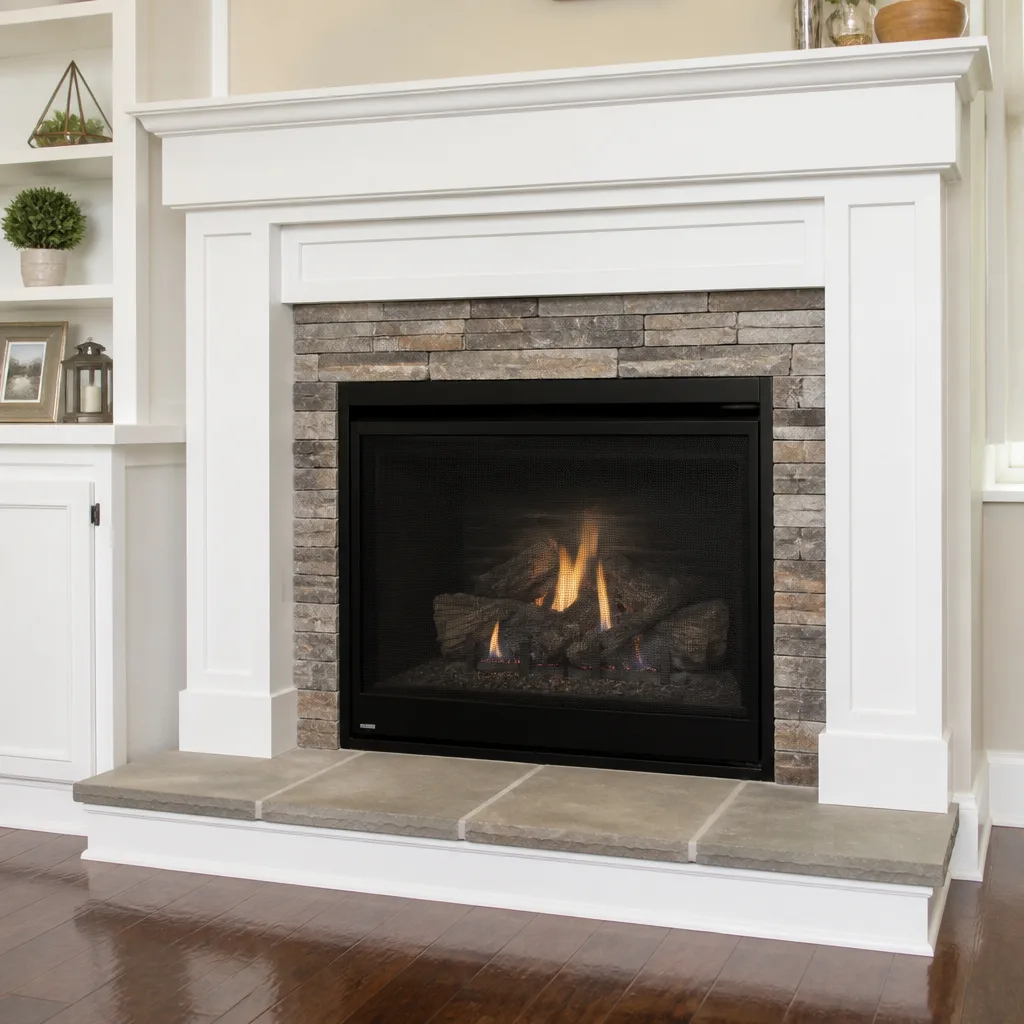
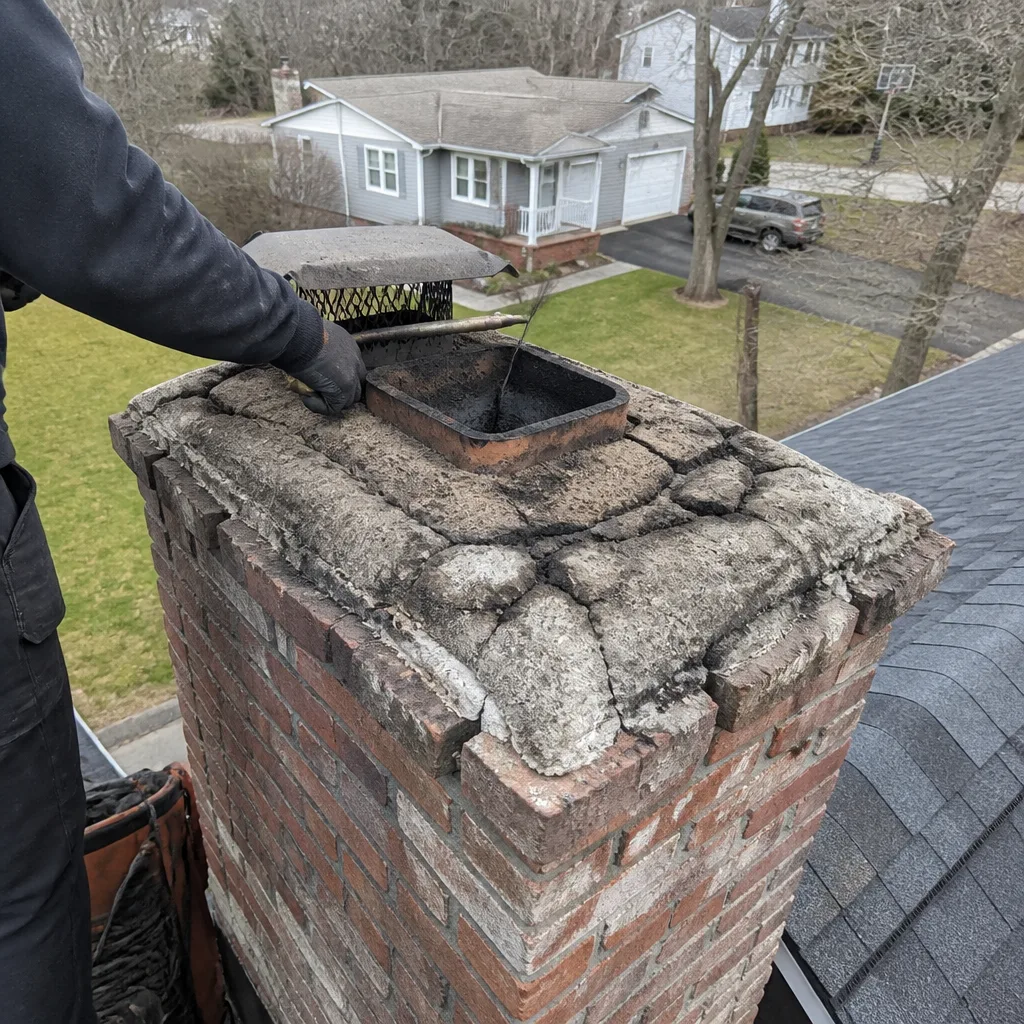 Before
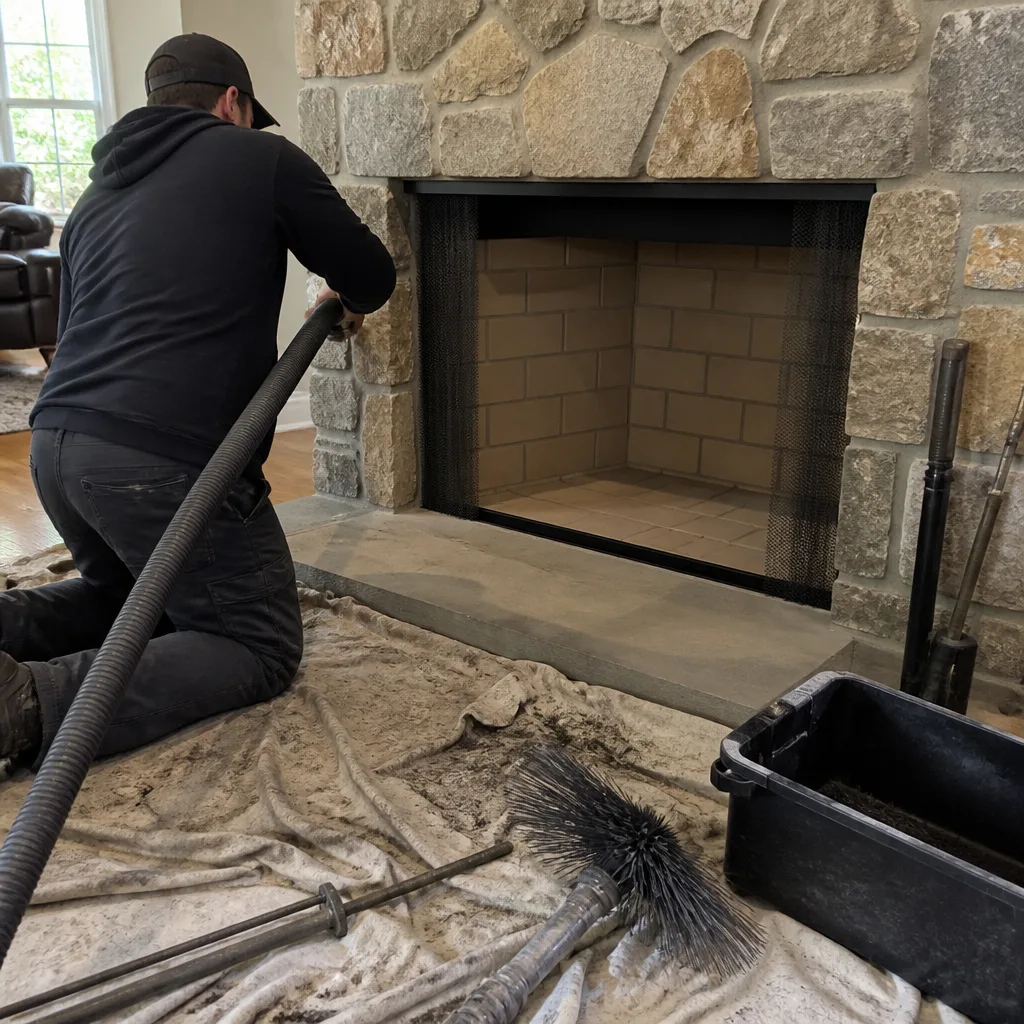 After
After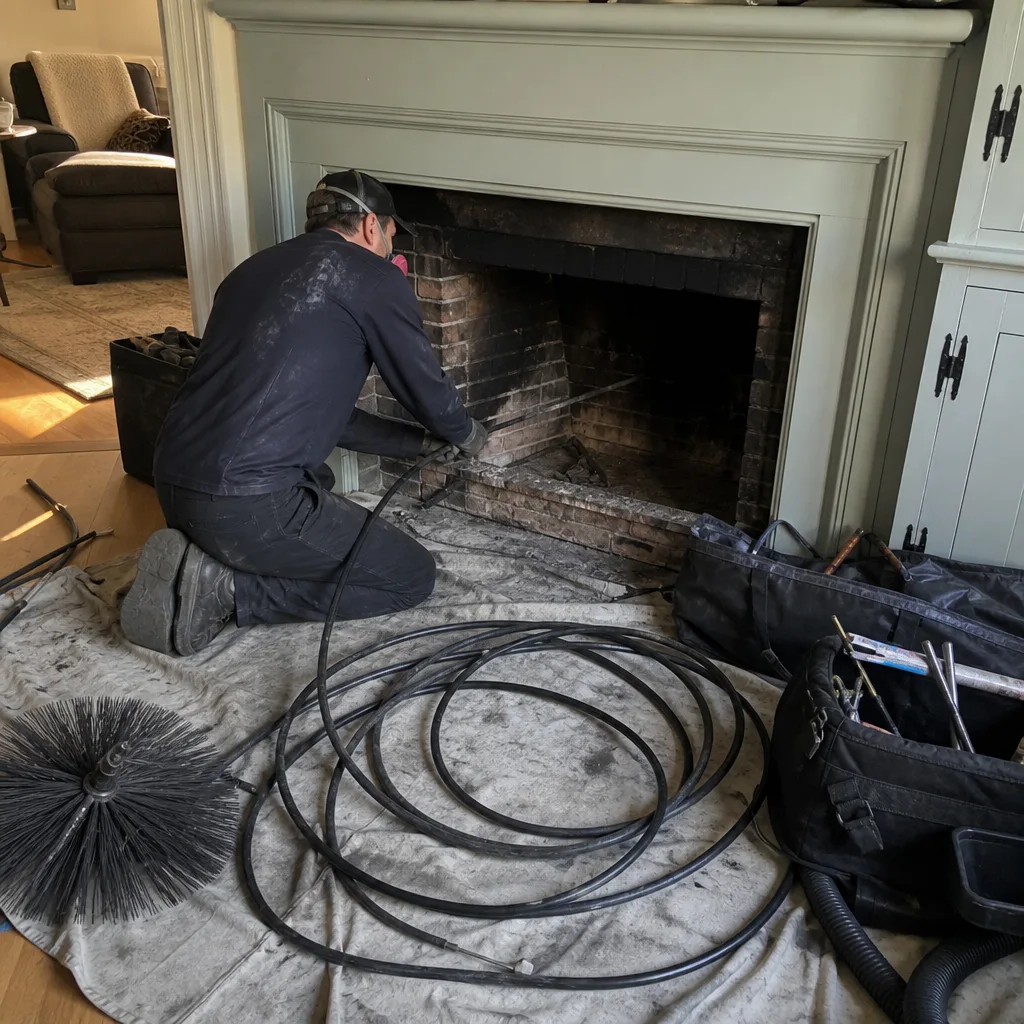 Before
 After
After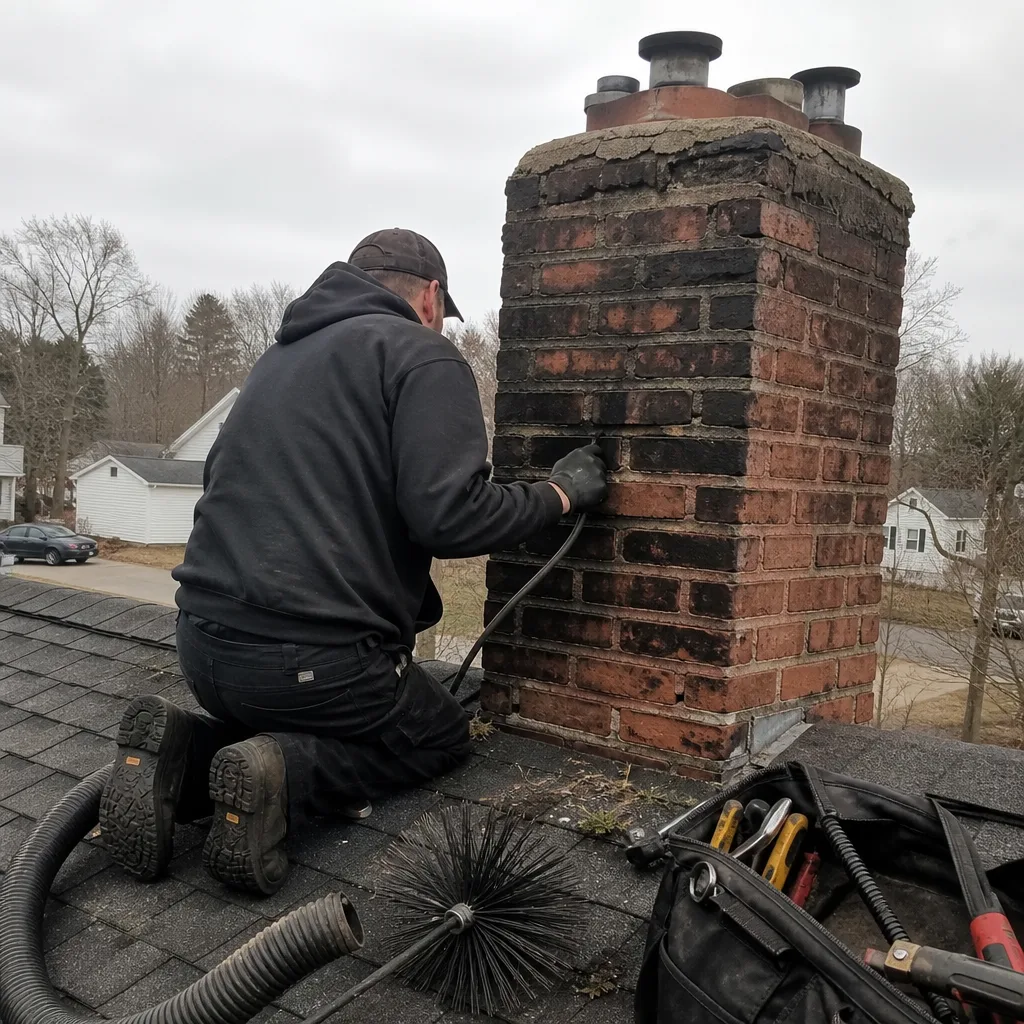 Before
 After
AfterHow to Hire a Chimney Cleaning Contractor in Framingham: A Step-by-Step Guide
CSIA certification tells you a technician passed a written exam. It says nothing about whether your company will put a camera in the flue, write down the price, or leave you with any documentation when they’re done. In Framingham, where winters push fireplaces hard from November through March and summer humidity accelerates masonry deterioration, we’ve seen the same pattern repeat: homeowners hire a sweep who seems qualified, pay the bill, and realize months later they have zero proof of what was inspected, what was found, or whether the work was even necessary. This guide will show you how to hire a chimney cleaning contractor in Framingham using three documents that separate actual professionals from people with a brush and a magnet sign.
Quick Answer
To hire a chimney cleaning contractor in Framingham, verify three documents before booking: a written scope of work that specifies inspection method (camera scan vs. flashlight), a written price delivered before work begins, and a written post-service report with photos or video. Ask on the phone: “Does your inspection include a camera scan of the flue?” and “Will I receive a written report with images I can keep?” Any hesitation on either question is a reason to keep calling.
Table of Contents
- Why Most Chimney Sweep Hires Fail
- The Three Documents That Define a Trustworthy Hire
- What to Ask on the Phone Before You Book
- CSIA, NFPA 211, and Massachusetts Licensing: What’s Actually Required
- Red-Flag Contractor Behaviors Specific to Chimney Work
- The Liability Consequences of Hiring Without Documentation
- What a Proper Chimney Inspection in Framingham Should Include
- Chimney Sweep Pricing in Framingham: What to Expect
 Before
 After
AfterWhy Most Chimney Sweep Hires Fail
The failure isn’t usually technical. Most chimney sweeps in Framingham can run a brush and remove Class I creosote, the flaky, sooty buildup that accumulates with normal wood burning. The failure is administrative. Homeowners receive no written record of what was done, no images of what the flue actually looked like, and no price until the technician is already on the roof or standing in the living room with soot on his boots.
We’ve inspected chimneys in Saxonville where the previous sweep had been there three months earlier. The homeowner paid $189, received a carbon-copy receipt, and was told “everything looks good.” When we ran our camera, we found a cracked flue liner at the second course of brick, spalling (flaking, crumbling) mortar joints in the smoke chamber, and Class III creosote, the hard, glazed deposit that requires chemical treatment, not just brushing. The previous sweep never used a camera. The homeowner had no documentation to support an insurance claim or to show at resale. The $189 was spent on reassurance, not inspection.
Framingham’s housing stock compounds this problem. The city has a mix of pre-WWII colonials in neighborhoods like Nobscot, 1960s-70s raised ranches near Framingham State, and newer construction in north Framingham near the Callahan State Park area. Each era has different chimney construction, different common failure modes, and different code histories. A sweep who treats a 1925 masonry fireplace the same as a 2005 factory-built metal chimney isn’t inspecting, they’re guessing. Documentation is what turns guessing into accountability.
The three-document framework we’ll describe below applies regardless of your home’s age. It’s designed to protect you from the most common failure mode in this industry: opacity. When you can’t see what was done, can’t verify what was found, and can’t prove what you paid for, you’re exposed at resale, after a fire, and when your insurer asks questions.
The Three Documents That Define a Trustworthy Hire
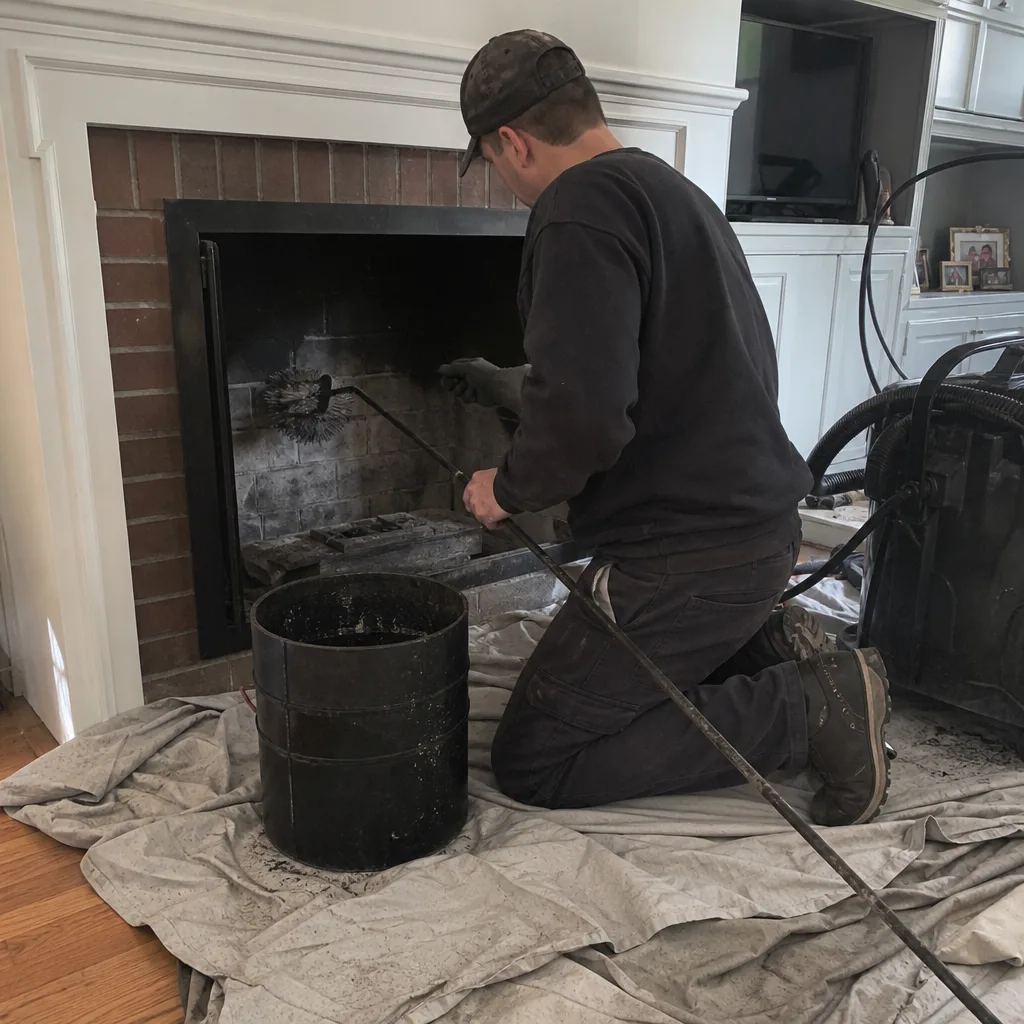
Every legitimate chimney cleaning contractor in Framingham should be able to produce three documents, in writing, before and after the job. If any one is missing, you’re not hiring a professional. You’re hiring a brush operator.
Document 1: Written Scope of Work
This document specifies exactly what will be done, in what order, using what equipment. For a chimney cleaning and inspection in Framingham, the scope should include:
- Interior visual inspection of the firebox, damper, and smoke chamber
- Camera scan of the full flue liner from firebox to crown (NFPA 211 Level 2 standard)
- Exterior inspection of the crown, cap, flashing, and visible masonry
- Measurement of creosote deposit thickness and classification (Class I, II, or III)
- Documentation method: digital photos, video file, or written notation
A scope that says “chimney cleaning and inspection” without specifying camera use is a flashlight inspection dressed up in formal language. In our experience across Framingham, from the historic homes near the Village Hall to the subdivisions off Route 9, roughly 60% of sweeps still perform flashlight-only inspections as their default. They may own a camera. They don’t use it unless asked. The written scope forces the issue before anyone arrives.
Document 2: Written Price Before Work Starts
This is Clause 1 of the Haven Standard, which we adopted in 2009 and have applied to every one of our 38,000-plus jobs: a written price, a written scope, and a written warranty delivered before work begins. Not after the technician is in your home. Not after he’s found “a problem” on the roof. Before.
The price document should itemize:
- Base inspection and cleaning fee
- Any additional services (chemical treatment for Class III creosote, crown sealing, cap installation)
- Conditions that would trigger additional charges, with those charges specified
- Payment terms and warranty terms
Verbal estimates are worthless in chimney work. The technician is on your roof, you’re in your kitchen, and you’re being told the liner “looks bad” with no image to verify. A written price delivered in advance eliminates this dynamic entirely. If a Framingham contractor won’t put a price in writing before booking, the reason is usually that the price depends on what they think you’ll pay once they’re on-site.
Document 3: Written Post-Service Condition Report
This is the document you keep. It’s your proof of inspection, your record of condition, and your defense if something goes wrong. Clause 4 of the Haven Standard requires a documented photo record on every job, archived and available to the customer. We’ve maintained this practice since 2009, years before insurers or regulators began requesting documentation.
A proper condition report includes:
- Date and time of service
- Technician name and license information
- Digital images or video file of the full flue liner
- Written description of findings: liner condition, creosote class, masonry status, cap and crown condition
- Recommendations with priority ranking (immediate, monitor, routine maintenance)
- Written warranty or guarantee terms
In Framingham, where home sales move quickly and buyers increasingly request chimney inspection records, this document can determine whether your sale proceeds on schedule or gets held up for a $2,400 liner replacement the buyer demands you complete. We’ve provided archived inspection reports to homeowners in Framingham who needed them for closings three, five, and seven years after the original service. Without documentation, that history doesn’t exist.
What to Ask on the Phone Before You Book
The phone call is your screening tool. A legitimate chimney cleaning contractor in Framingham will answer these questions directly. Evasion is information.
- “Does your inspection include a camera scan of the full flue liner, or is it visual only?”
The answer should be immediate and specific: “Yes, we camera-scan the full flue on every inspection.” If the response is “We can add that” or “It depends on what we find,” you’re talking to a company that treats camera inspection as optional. It’s not. NFPA 211 Level 2, the inspection standard for real estate transactions and suspected damage, requires internal inspection of the flue. A company that won’t commit to this on the phone won’t do it on your roof.
- “Will I receive a written report with images I can keep, or do you only provide a receipt?”
The answer should confirm a written report with photos or video, delivered electronically or in hard copy. “We can email you photos if we find anything” is not sufficient. Documentation should be standard, not conditional on findings. At Level Two Chimney Framingham home, every job since 2009 has produced a documented photo record under Haven Standard Clause 4.
- “Will you provide a written price before you arrive, or only after inspection?”
The answer should confirm a written price delivered before booking or before work begins. “We need to see it first” is acceptable only for complex repair estimates, not for routine cleaning and inspection. For standard sweep services, the price should be fixed and stated. Our Chimney Cleaning & Sweep in Framingham service provides written pricing before any commitment.
- “What does your technician carry for identification, and will I know who’s coming?”
Background-checked, uniformed technicians with license numbers displayed are the minimum. “He’ll have a truck with our logo” is not an answer. You should receive a name, a license number you can verify, and a notification when the technician is en route.
- “What happens if I disagree with a recommendation made during the inspection?”
The answer should describe a process: second opinion, additional documentation, or option to decline with signature. “You can always say no” is not a process. A legitimate company has a structured response to disagreement because it happens. We offer a Free Second Opinion on any written estimate, including competitor quotes, specifically for this scenario.
These five questions will eliminate most problematic contractors in the first two minutes of conversation. The ones who remain are the ones worth comparing on price and availability.
CSIA, NFPA 211, and Massachusetts Licensing: What’s Actually Required
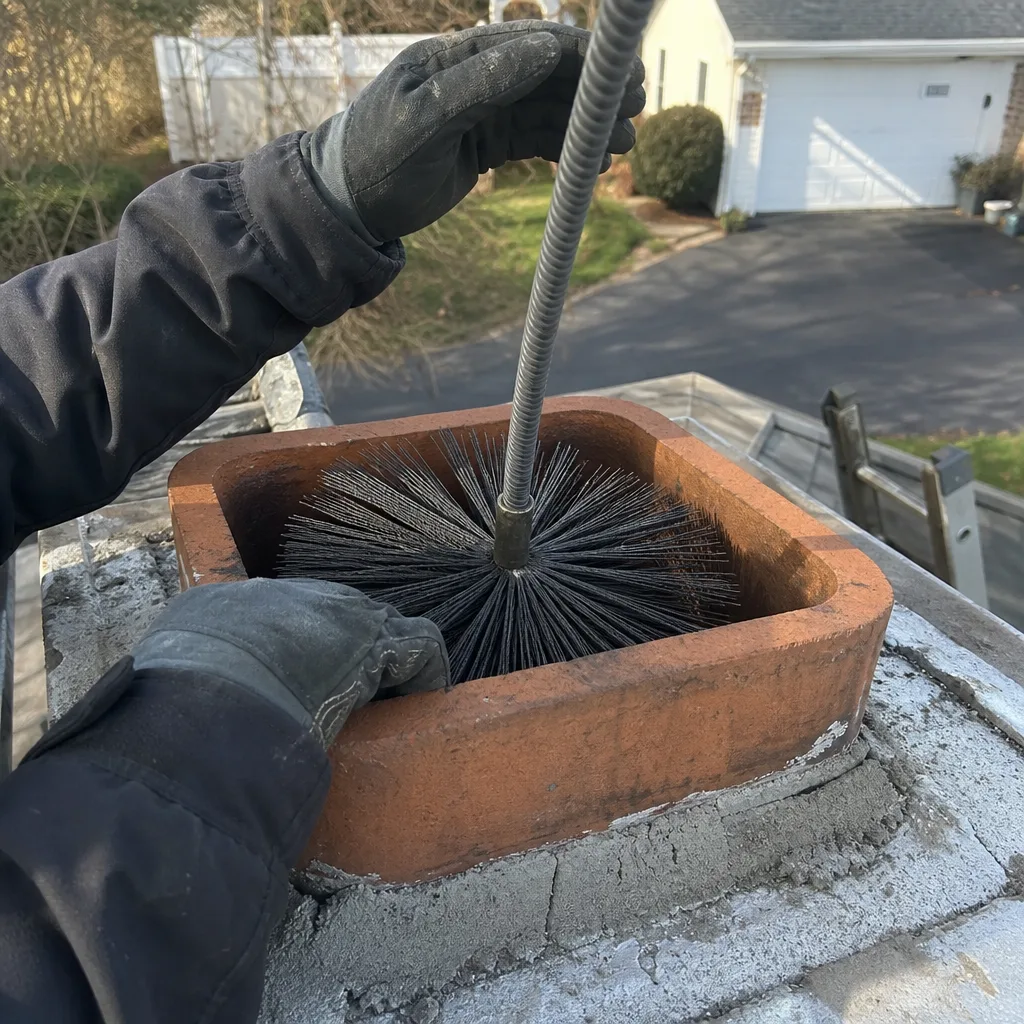
Homeowners in Framingham often conflate three distinct credentials. Understanding the difference protects you from hiring based on the wrong signal.
CSIA Certification
The Chimney Safety Institute of America certifies individual technicians who pass a written examination covering chimney science, codes, and safety. It’s a knowledge credential, not a practice standard. A CSIA-certified technician may work for a company that uses no camera, provides no written report, and changes prices on-site. The certification tells you what the person knows, not what the company does.
NFPA 211 Compliance
National Fire Protection Association Standard 211 defines how chimneys, fireplaces, vents, and solid fuel-burning appliances should be installed, maintained, and inspected. It specifies three inspection levels. Level 1 is visual, accessible areas only. Level 2 includes camera inspection of the flue and is required for real estate transactions, after chimney fires, or when changes are made to the system. Level 3 involves demolition of building components to access concealed areas.
Most Framingham homeowners need Level 2 for any meaningful inspection. A company that advertises “NFPA 211 inspection” without specifying Level 1 or Level 2 is typically performing Level 1 and hoping you won’t ask. Our standard at Chimney Cleaning & Sweep in Framingham is Level 2 on every visit, camera down the flue, documented photo record included.
Massachusetts State Licensing
Massachusetts requires home improvement contractor registration for work exceeding $1,000, and individual municipalities may have additional requirements. Framingham operates under the Massachusetts State Building Code, with inspections enforced by the Framingham Building Department. No statewide chimney-specific license exists equivalent to plumbing or electrical licensing. This regulatory gap means anyone with a brush and a ladder can legally call themselves a chimney sweep for routine cleaning.
The practical implication: in Framingham, credentials matter less than documentation. CSIA certification is desirable but insufficient. NFPA 211 Level 2 compliance is necessary but only meaningful if verified with camera footage. State registration is required for major repairs but not for basic sweeping. Your protection comes from the three documents, not from the wall of certificates in the contractor’s office.
Red-Flag Contractor Behaviors Specific to Chimney Work
Chimney work has specific scam patterns that don’t appear in other trades. Recognizing them early saves money and prevents dangerous conditions from being ignored.
Red Flag 1: Upselling Discovered During the Job
The technician is on your roof, or has his head in the firebox, and announces a “serious problem” that requires immediate additional work. The price is verbal, urgent, and significantly higher than the original quote. This is the most common complaint we hear from Framingham homeowners who call us for second opinions.
Legitimate additional findings exist. But they should be documented with camera images, explained in plain terms, and quoted in writing before any additional work proceeds. The homeowner should have time to review, research, and seek a second opinion. Any pressure to decide immediately, especially with claims of “carbon monoxide danger” or “fire hazard tonight,” is a sales tactic, not professional judgment.
We’ve reviewed competitor estimates in Framingham where $1,800 “emergency liner replacements” were recommended based on a flashlight inspection and verbal claim of “cracks.” Our camera scan found hairline surface staining, structurally sound clay tile, and no immediate action required. The homeowner saved $1,800 and had documentation to support that decision.
Red Flag 2: Verbal-Only Estimates
No written price, no written scope, no written warranty. The technician “will email something later” or “the office handles paperwork.” This is unprofessional in any trade, but in chimney work it’s a specific risk because the work product is largely invisible. You can’t see the inside of your flue without specialized equipment. Written documentation is your only verification that work was performed and what condition was found.
Red Flag 3: Refusing to Show Camera Footage
A company that owns a camera but won’t show you the live feed during inspection, or claims the footage “didn’t save,” is not performing the inspection you’re paying for. Modern chimney cameras record to SD card or stream to a tablet in real time. “Technical difficulties” with camera equipment during the exact moment of alleged damage discovery is a pattern we’ve encountered multiple times in Framingham-area second opinions.
Red Flag 4: No Technician Identification
Unmarked vehicles, no uniform, no license number provided. In Massachusetts, home improvement contractors must display their registration number on contracts, advertisements, and vehicles. A technician who won’t identify himself or his employer is operating outside basic accountability.
Red Flag 5: Sweeping Without Inspection
Some Framingham-area sweeps offer “cleaning only” at a low price, with inspection as a costly add-on. This inverts the purpose of the service. The inspection determines whether cleaning is sufficient or whether structural issues require attention. Cleaning without inspection is like changing oil without checking the filter: it addresses the visible symptom while potentially missing the critical problem.
The Liability Consequences of Hiring Without Documentation
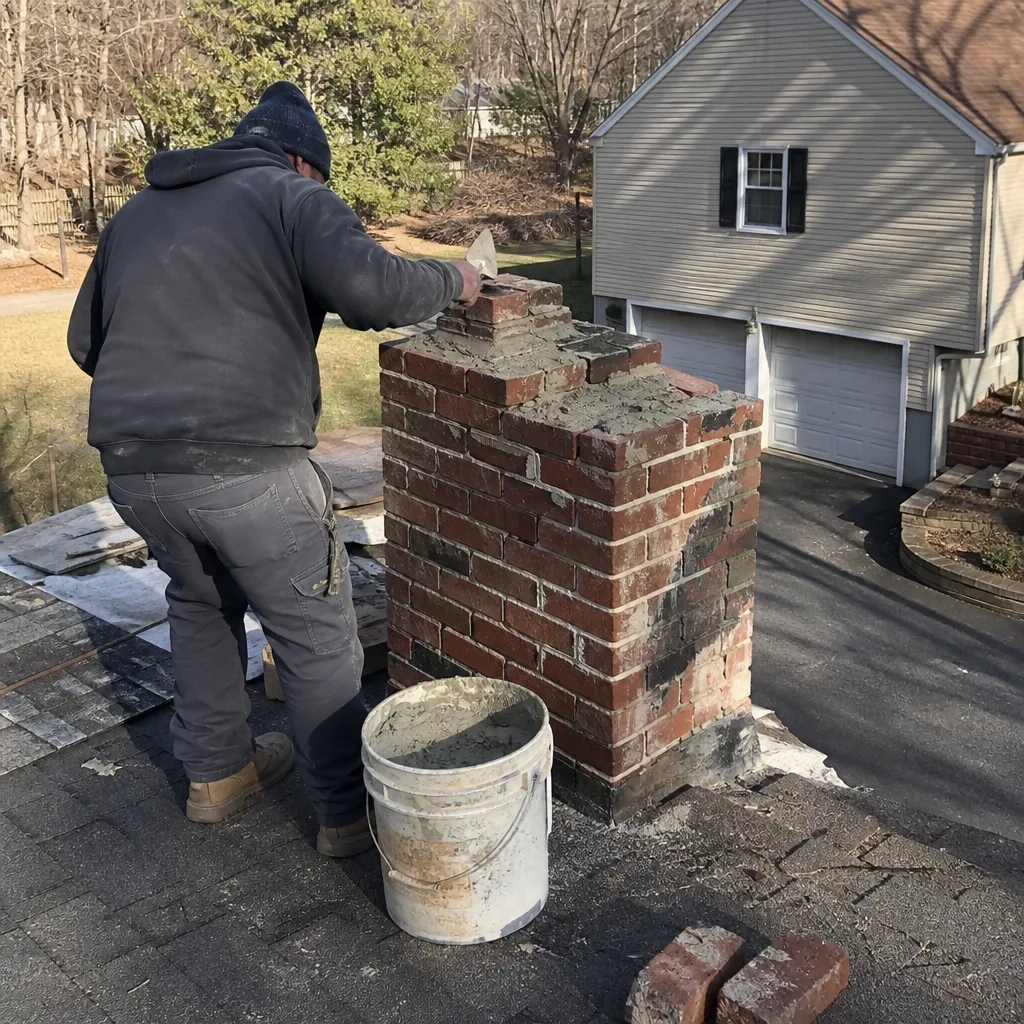
The three documents aren’t bureaucratic preferences. They’re liability protection that becomes visible at three specific moments: resale, after a fire, and during insurance disputes.
At Resale
Framingham’s real estate market moves fast, with median days on market often under two weeks in competitive seasons. Buyers and their inspectors increasingly request chimney inspection records, especially for homes with active fireplaces or wood stoves. A seller with no documentation faces two bad options: delay closing for an emergency inspection, or accept a buyer credit for the full cost of liner replacement whether it’s needed or not.
We’ve provided archived inspection reports to Framingham homeowners that documented sound liner condition, enabling them to counter buyer demands with dated, photographed evidence. Without that archive, the seller has no position.
After a Chimney Fire
Chimney fires in Framingham are more common than many homeowners realize, particularly in neighborhoods with heavy wood-burning like those near Callahan State Park where seasoned firewood is readily available. A chimney fire produces temperatures exceeding 2,000°F, damaging liners, masonry, and adjacent framing. After the fire department leaves, your insurer investigates. They will ask: when was the chimney last inspected? By whom? What did they find? What was the condition of the flue liner?
A receipt for $189 with no findings, no images, and no technician identification is not evidence of due diligence. It’s evidence that you paid for an undocumented service. Insurers have denied claims on this basis.
During Insurance Disputes
Some Framingham homeowners discover coverage limitations only after damage occurs. Insurers may require proof of annual inspection for chimney-related claims, or may limit coverage for “lack of maintenance” if no inspection record exists. A written report with dated photos is your proof that maintenance was performed and what condition existed at that time.
The cost of proper documentation is included in the service price of any legitimate contractor. The cost of missing documentation, if you need it, is the full value of your claim or the delay of your home sale.
What a Proper Chimney Inspection in Framingham Should Include
Framingham’s climate and housing stock create specific inspection priorities. Cold winters with freeze-thaw cycles stress masonry. Summer humidity accelerates spalling in older brick. The city’s mix of historic and modern construction means no single inspection template fits all.
A proper NFPA 211 Level 2 inspection in Framingham should cover:
- Firebox and smoke chamber: Checked for cracked refractory panels, deteriorated mortar, and proper clearance to combustibles. In older Framingham homes, smoke chambers are often corbeled brick with rough parging that accumulates creosote.
- Damper operation: Verified for full opening, proper sealing when closed, and absence of rust or warping.
- Flue liner, camera-scanned full length: Assessed for cracks, gaps, spalling, displacement, and creosote accumulation. Clay tile liners in pre-1960 Framingham homes are particularly susceptible to thermal shock cracking.
- Crown condition: Examined for cracks, deterioration, and proper overhang to shed water. Crown failure is the leading cause of chimney leaks in our Framingham service area.
- Cap and screening: Verified for proper fit, rust, and mesh integrity to exclude animals and debris.
- Exterior masonry: Checked for spalling, efflorescence (white mineral deposits indicating water intrusion), and mortar joint deterioration.
- Flashing and roof interface: Inspected for gaps, rust, and proper seal to prevent water entry at the chimney-roof junction.
For homes in Framingham’s older neighborhoods, we also evaluate the chimney foundation and any signs of structural settling or lean. For factory-built metal chimneys common in 1970s-80s construction, we verify proper clearance to combustibles and absence of corrosion at joints.
Materials matter for any repair work identified. We source from DuraFlex for stainless steel liners, HeatShield for cerfractory flue repair, and Gelco for caps and accessories, procured through our Haven buying network to maintain honest pricing. The specific material should be noted in your written scope if replacement is recommended.
Chimney Sweep Pricing in Framingham: What to Expect
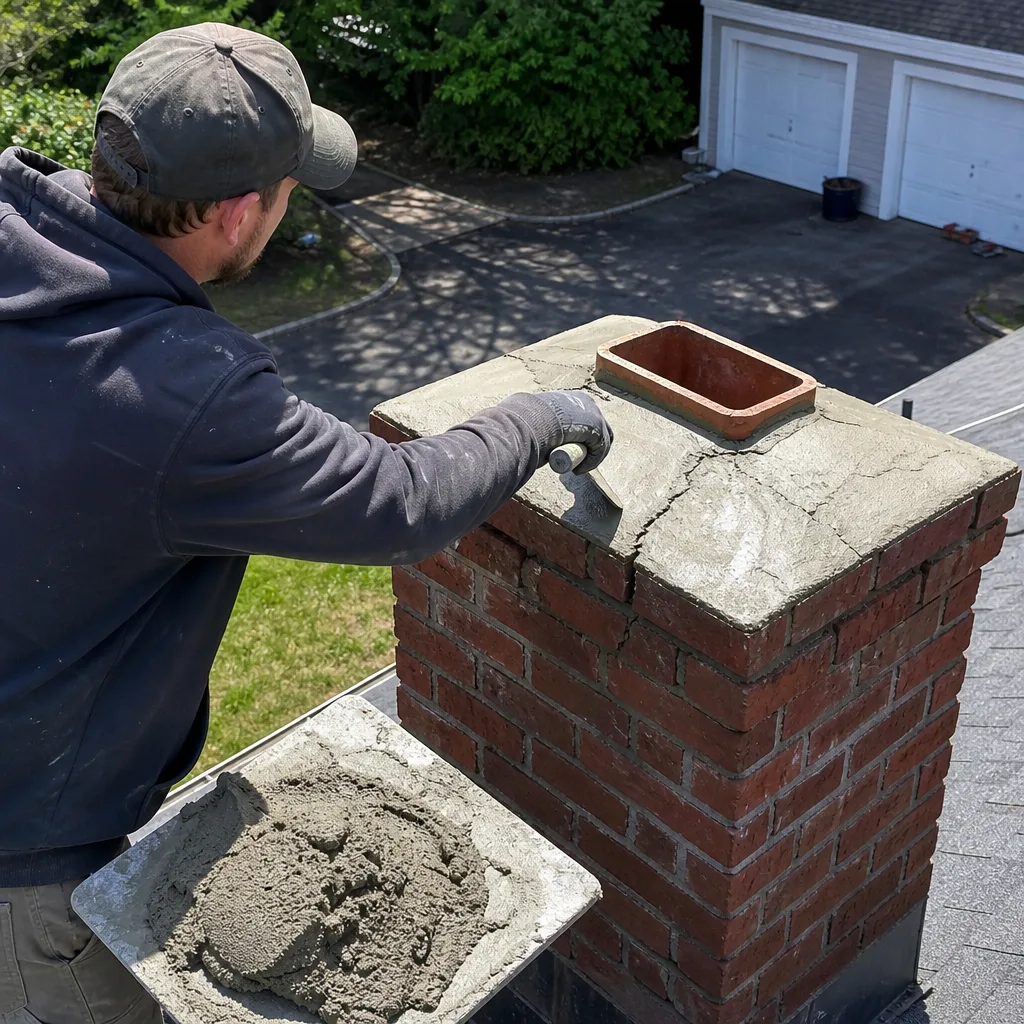
Pricing transparency is the core of trustworthy hiring. In Framingham, chimney cleaning and inspection costs vary based on inspection level, accessibility, and condition, but you should never face a price you didn’t agree to in advance.
| Service | Typical Range in Framingham | What Affects Price |
|---|---|---|
| Level 1 inspection and cleaning | $150 – $250 | Accessibility, number of flues, creosote class |
| Level 2 inspection with camera scan and cleaning | $250 – $400 | Number of appliances served, height/access difficulty, documentation format |
| Class III creosote chemical treatment | $200 – $400 additional | Degree of glazing, flue length, number of applications required |
| Crown sealing/repair | $300 – $800 | Crown size, damage extent, material (cement vs. specialized crown coat) |
| Stainless steel liner installation | $2,000 – $4,500 | Flue length, diameter, number of bends, appliance type |
These ranges reflect Framingham’s market position in metro Boston, with labor costs above national averages but below downtown Boston premiums. Prices below $150 for any inspection and cleaning should prompt scrutiny: either the inspection is flashlight-only, or additional charges will appear on-site.
At Chimney Cleaning & Sweep in Framingham, we provide written pricing before any commitment. Our Chimney Repair in Framingham and Fireplace Services in Framingham pages detail specific repair pricing with the same upfront commitment.
The critical pricing question isn’t whether a company is expensive or cheap. It’s whether the price you agree to is the price you pay, and whether you receive documentation commensurate with that price. A $350 Level 2 inspection with full camera scan, written report, and archived photo record provides more value than a $150 “special” that produces a receipt and a verbal “looks fine.”
Common Mistakes to Avoid
- Booking based on CSIA certification alone. The technician may be knowledgeable while the company provides no documentation. Certification is a floor, not a ceiling.
- Accepting verbal estimates for any work. Massachusetts law requires written contracts for home improvement work over $1,000, but even below that threshold, verbal pricing invites on-site changes.
- Assuming “inspection” means camera scan. In Framingham, most sweeps perform Level 1 visual inspections unless specifically requested otherwise. The word “inspection” on a website or phone call is not a guarantee of internal flue examination.
- Neglecting summer scheduling. Framingham’s peak chimney season runs September through January. Sweeps who are booked solid are less likely to perform thorough documentation. Summer inspections often reveal damage from the previous heating season while allowing time for repair before fall.
- Failing to verify insurance. Any contractor working on your roof or with combustion systems should carry general liability and workers’ compensation insurance. Request a certificate of insurance directly from the insurer, not just a photocopy from the contractor.
- Ignoring neighborhood-specific risks. Homes near Framingham’s historic districts or Callahan State Park may have older clay tile liners or heavier wood-burning use. Ask whether the sweep has experience with your specific construction era and fuel type.
- Not keeping documentation. The written report you receive is your record. Store it with your home maintenance files, not in the pile of receipts you’ll discard. You’ll need it at resale or after any incident.
When to Call a Professional
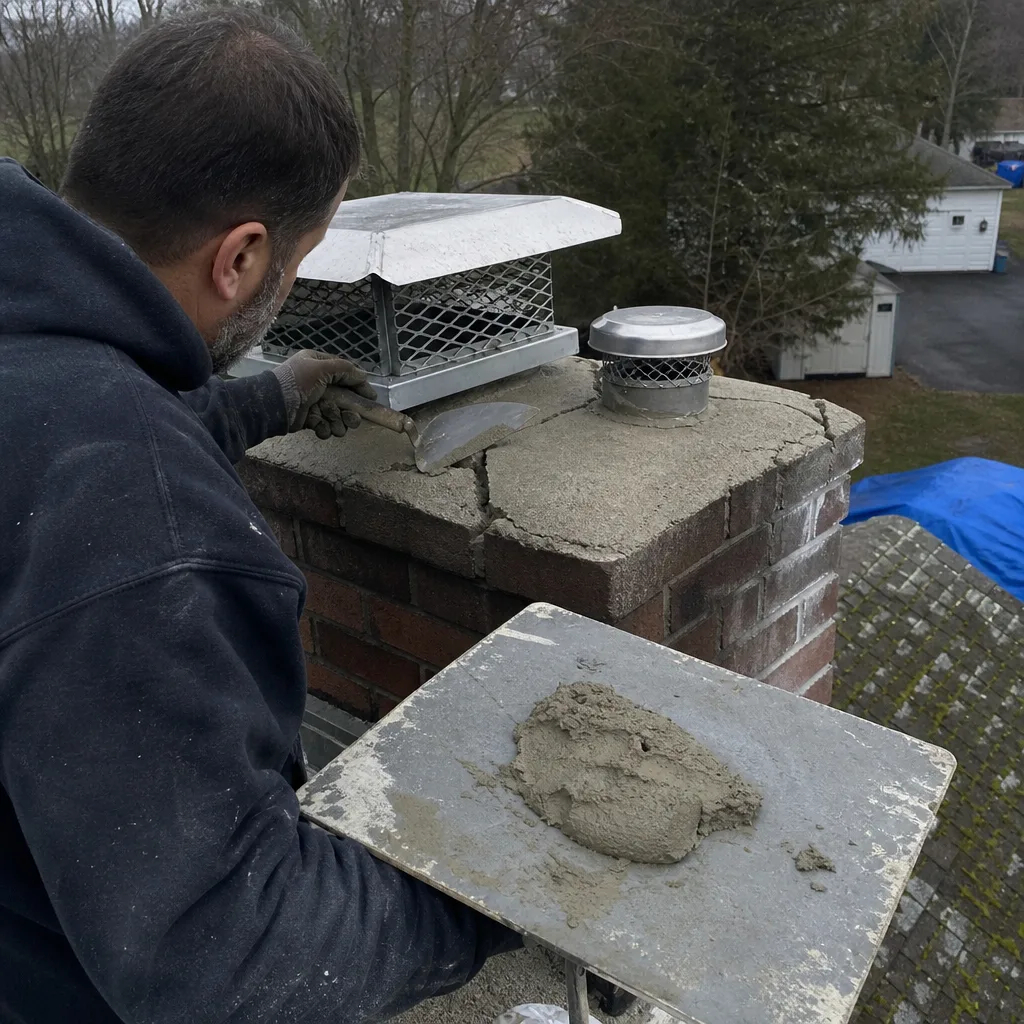
Call a chimney professional in Framingham when you notice any of the following: visible creosote flakes in the firebox, smoke entering the room during fireplace use, a strong odor from the fireplace in summer (indicating creosote buildup reacting with humidity), white staining on exterior masonry (efflorescence from water intrusion), or any event involving chimney fire, lightning strike, or seismic activity. Annual inspection is the baseline for any actively used fireplace or wood stove, and for gas fireplaces with vented systems.
Level Two Chimney Framingham offers free estimates in Framingham. Call (508) 850-0489 to speak with a live person, request a written price for your specific chimney, or schedule a Level 2 inspection with full camera scan and documented photo record. Our technicians are background-checked, uniformed, and assigned by name, with license information provided before arrival.
Frequently Asked Questions
A proper chimney cleaning with NFPA 211 Level 2 camera inspection in Framingham typically ranges from $250 to $400, depending on the number of flues, accessibility, and creosote classification. Basic cleaning with Level 1 visual inspection runs $150 to $250 but does not include internal flue examination. Call (508) 850-0489 for a written price specific to your chimney, delivered before any commitment.
You should not accept a liner replacement recommendation without seeing dated camera images of the damage and receiving a written second opinion option. Legitimate liner failures, cracked or displaced clay tile, or gaps between tile sections, are visible on camera and documentable. If a sweep recommends replacement but won’t show you the footage, or produces no written scope with material specifications, the recommendation is unverified. We provide free second opinions on any competitor’s written estimate.
Annual inspection is the standard for any actively used fireplace or wood stove. Cleaning frequency depends on use: light use (fewer than 20 fires per season) may allow biennial cleaning if inspection shows minimal creosote; heavy use or soft wood burning may require mid-season cleaning. Framingham’s cold winters and the prevalence of oak and maple firewood, which burn cleaner than pine but still produce creosote, make annual inspection the safer baseline. The NFPA 211 standard recommends inspection annually, with cleaning as needed based on findings.
Skipped maintenance allows creosote accumulation, which reduces flue diameter, restricts draft, and increases chimney fire risk. Class III glazed creosote, which forms with slow burns or unseasoned wood, ignites at lower temperatures and burns hotter than Class I or II. Structural damage, cracked liners, or deteriorated mortar, progresses unseen without camera inspection. In Framingham, where winter temperatures regularly drop below 20°F, a compromised chimney can also allow cold air infiltration that reduces heating efficiency and increases fuel costs. The cumulative risk is chimney fire, carbon monoxide intrusion through liner gaps, or water damage from crown failure, any of which costs exponentially more than routine maintenance.
In practice, the terms overlap but describe different emphases. A sweep focuses on cleaning and may perform basic visual inspection. An inspector focuses on condition assessment and may or may not clean. In Massachusetts, neither term is licensure-protected, so anyone may use either title. What matters is the specific service performed: NFPA 211 Level 1, 2, or 3, with or without camera scan, with or without written documentation. Ask for the specifics, not the title.
Homeowners can perform basic visual checks of the firebox, damper, and exterior masonry from ground level. Internal flue inspection requires specialized camera equipment, ladder safety training for roof access, and knowledge of code requirements to interpret findings. Given the consequences of missed damage, professional inspection with documentation is the recommended standard. The cost of annual professional inspection is minor compared to the liability exposure of an undocumented self-inspection after a fire or at resale.
The Bottom Line
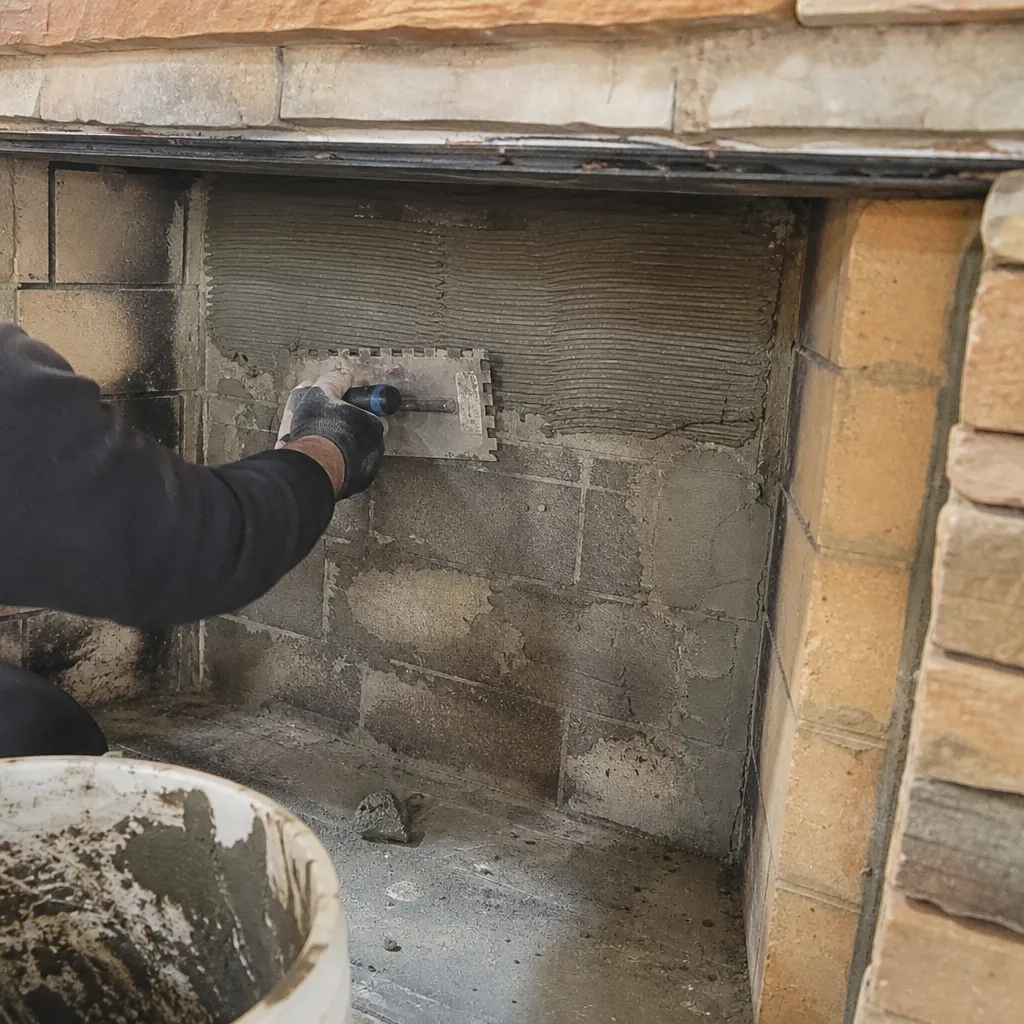
Hiring a chimney cleaning contractor in Framingham comes down to documentation, not credentials displayed on a website. The three documents, written scope, written price before work starts, and written post-service condition report with photo evidence, separate professionals from operators. Ask the five phone questions. Verify camera scan commitment. Refuse verbal estimates. Keep your documentation for resale, insurance, and your own peace of mind, though we don’t use that phrase. The chimney industry has resisted transparency for decades. These three documents are how you enforce it, one hire at a time.
Written by Corrine Halstead, Owner at Level Two Chimney Framingham, serving Framingham since 2009.