
Last updated September 22, 2026
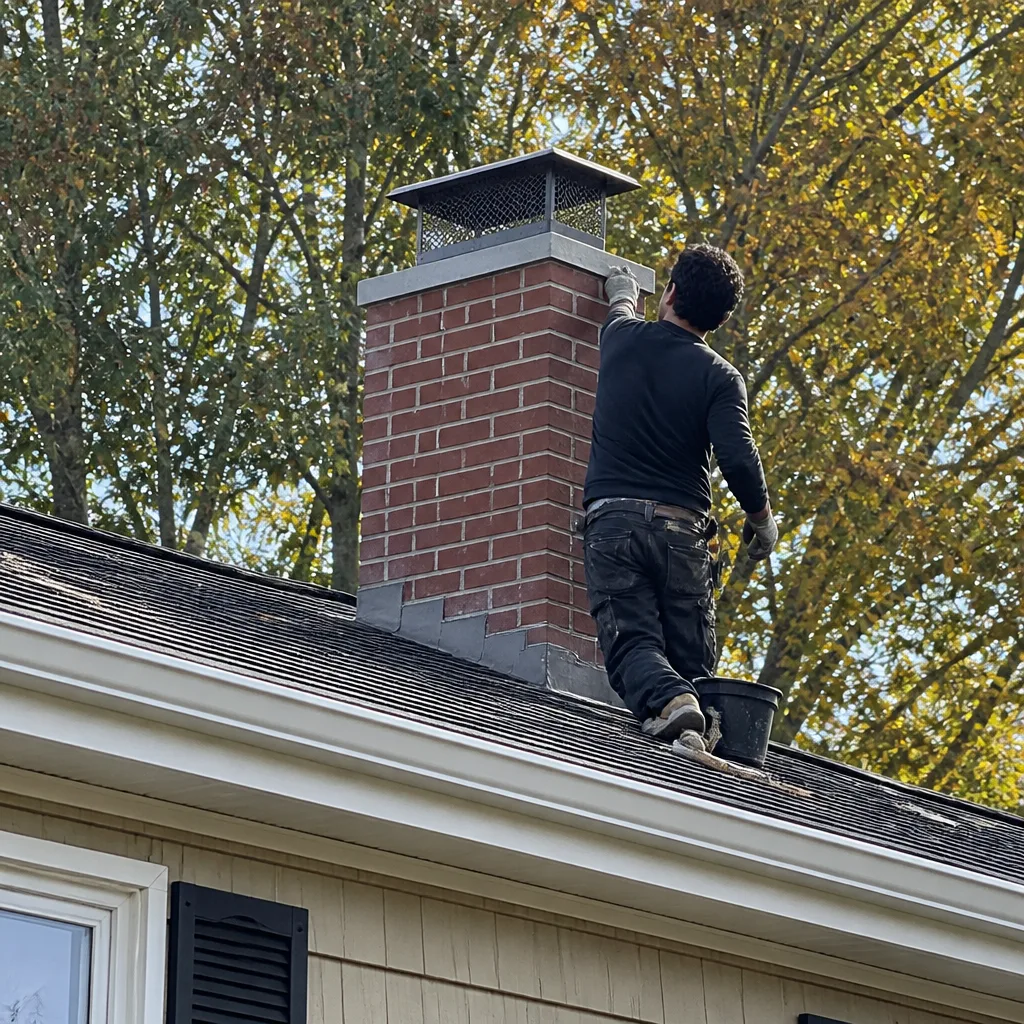
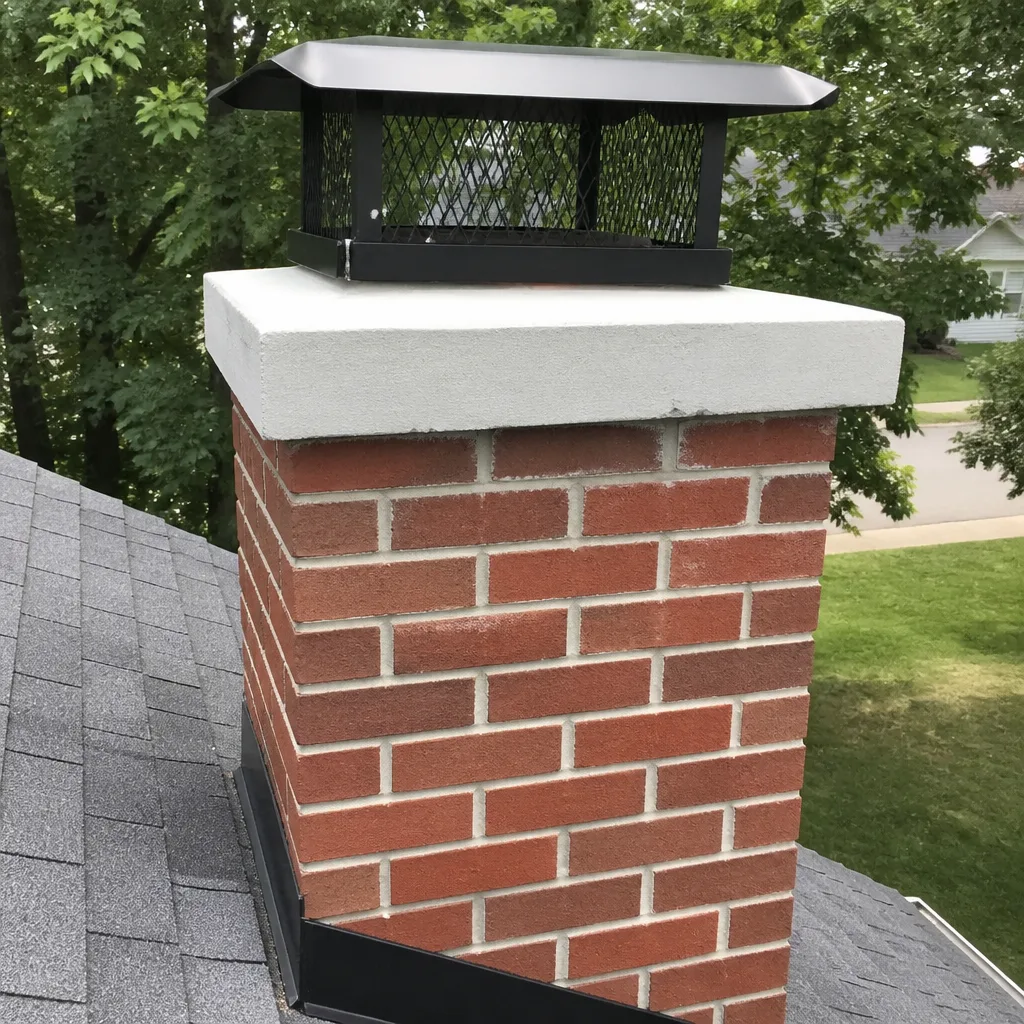
Level 1 sweep and inspection to the NFPA 211 annual standard - flue, crown, cap, and flashing checked and photographed
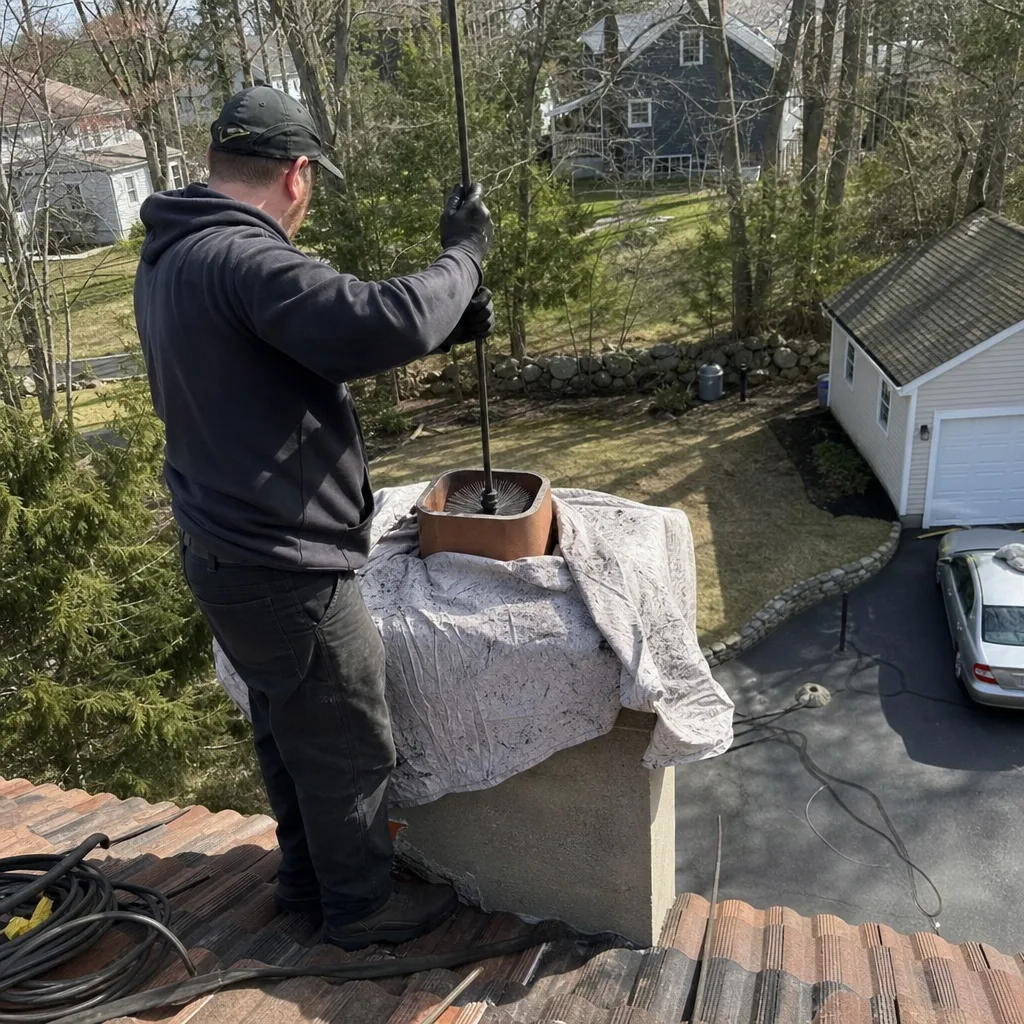
Chimney sweep logs do not sweep chimneys. They loosen some creosote - which then falls where a brush and vacuum still have to collect it.
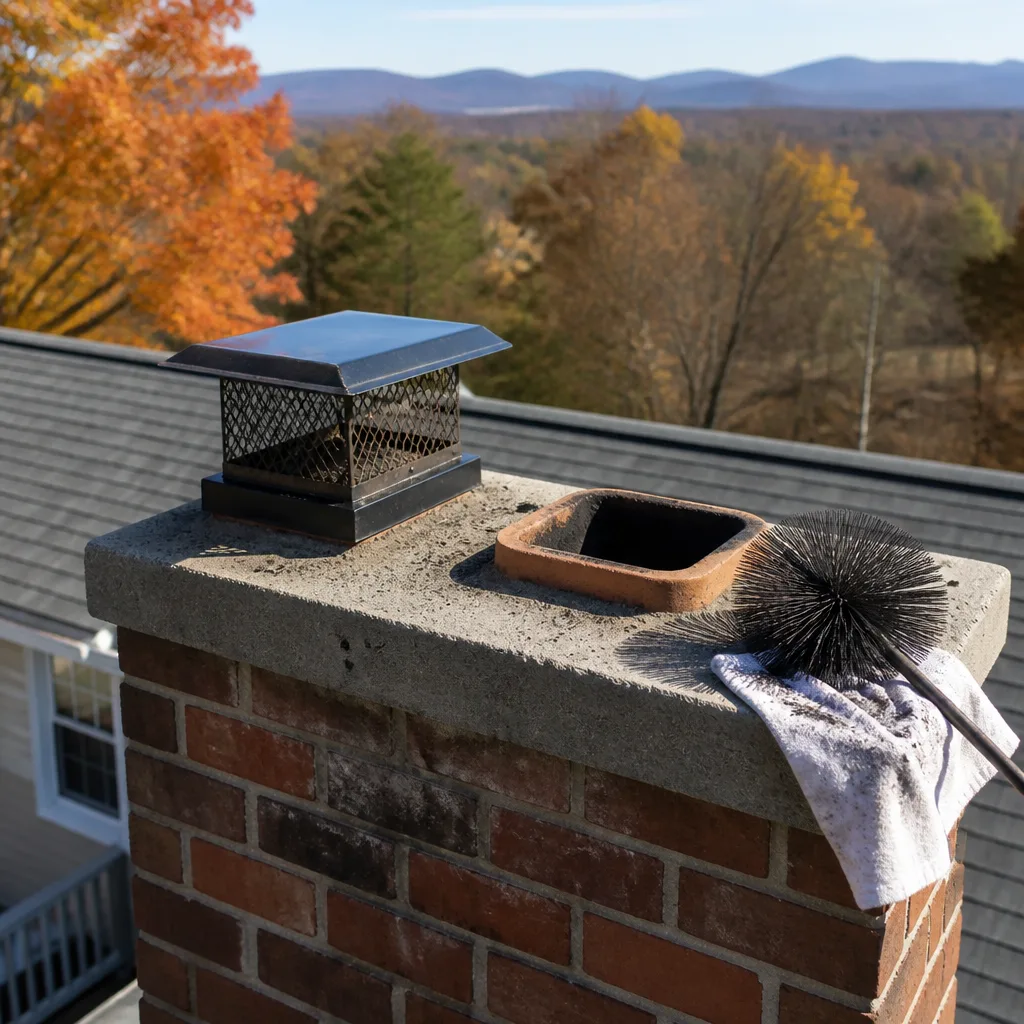
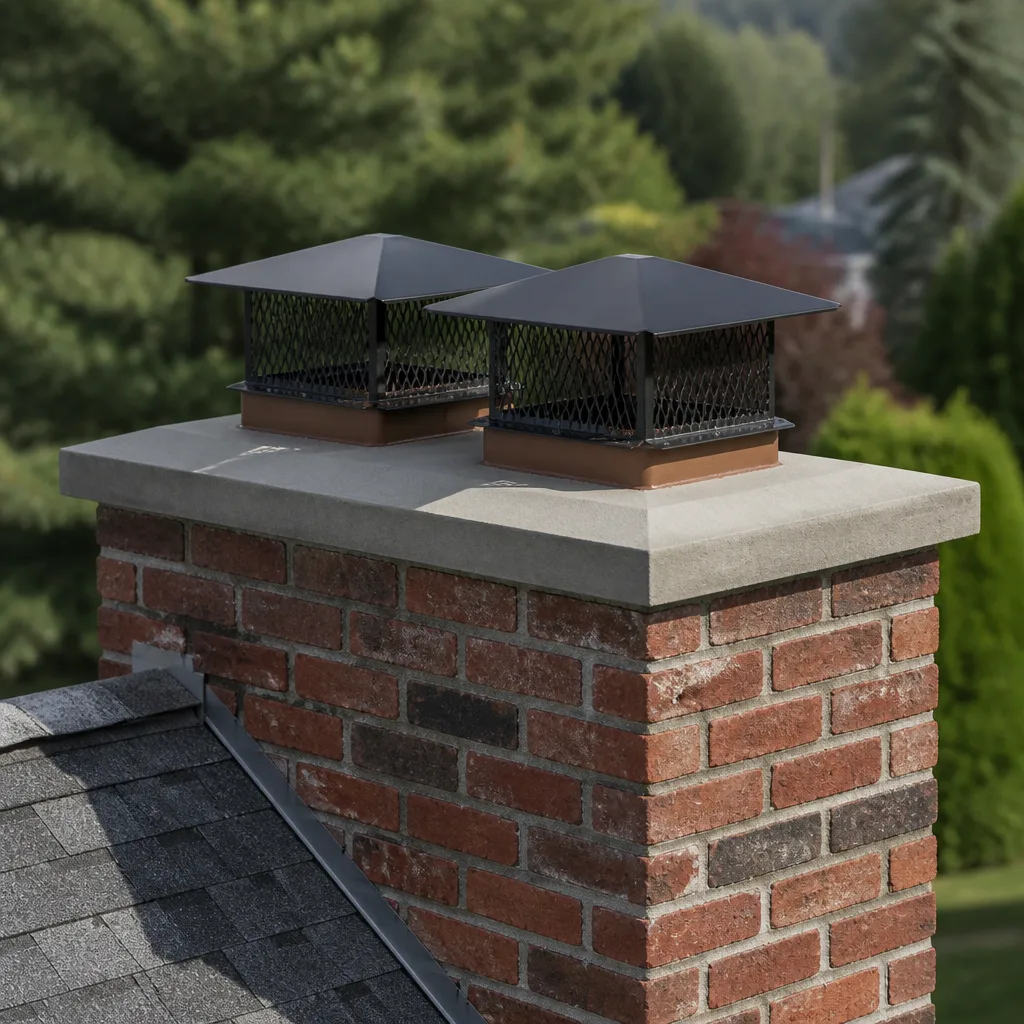
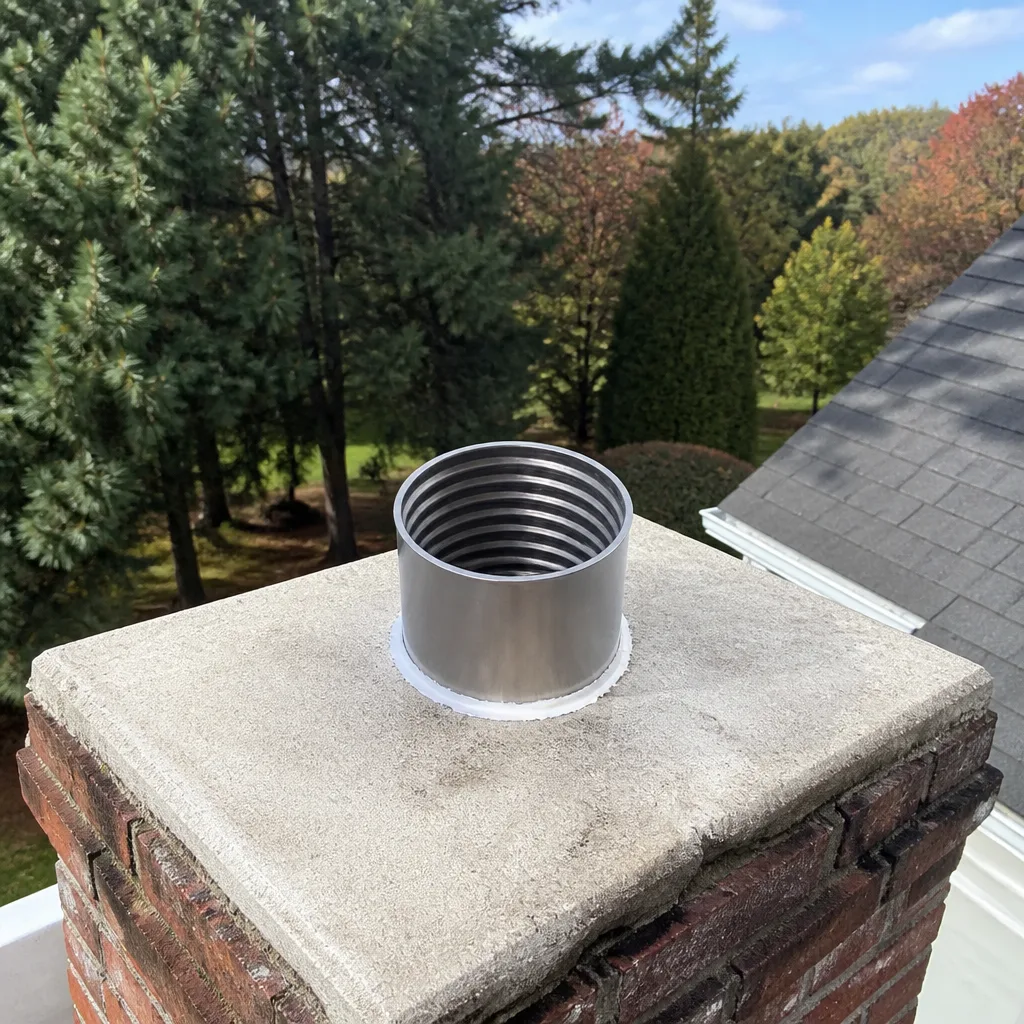
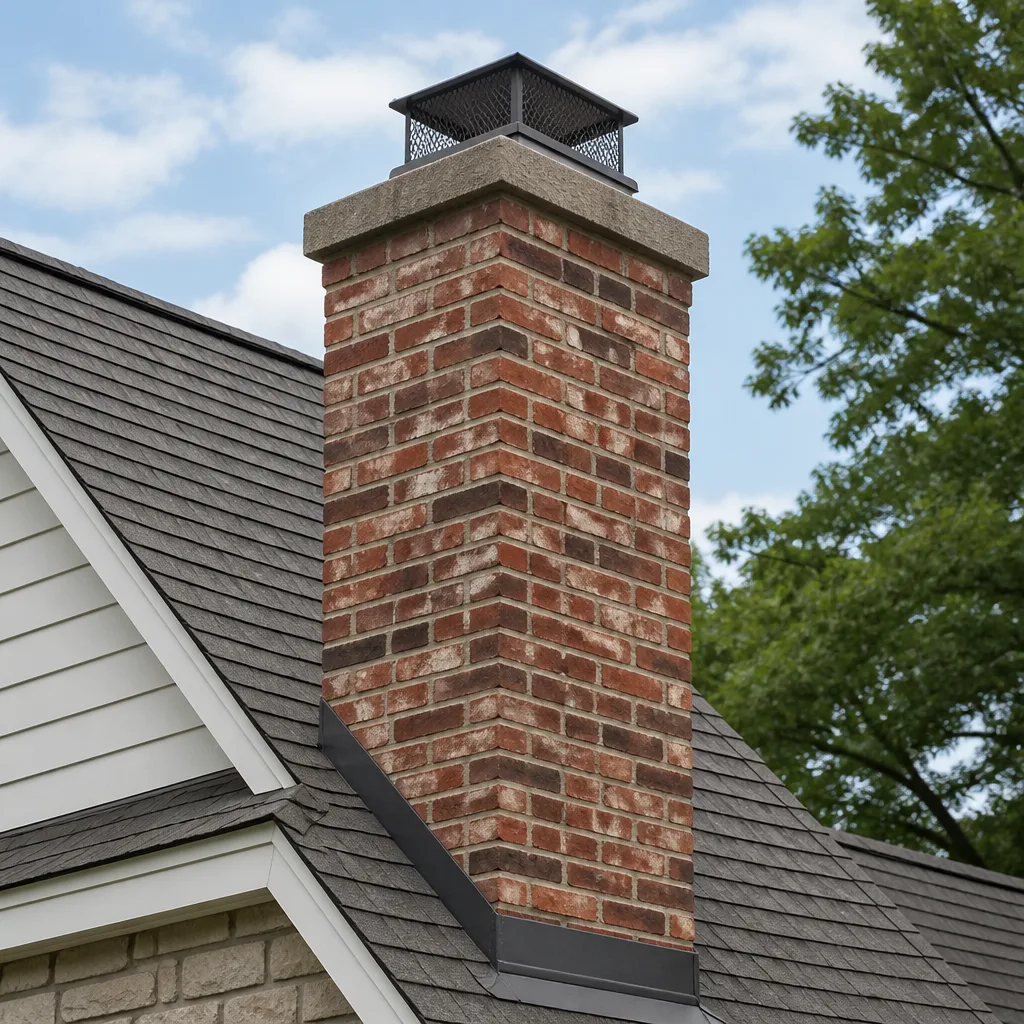
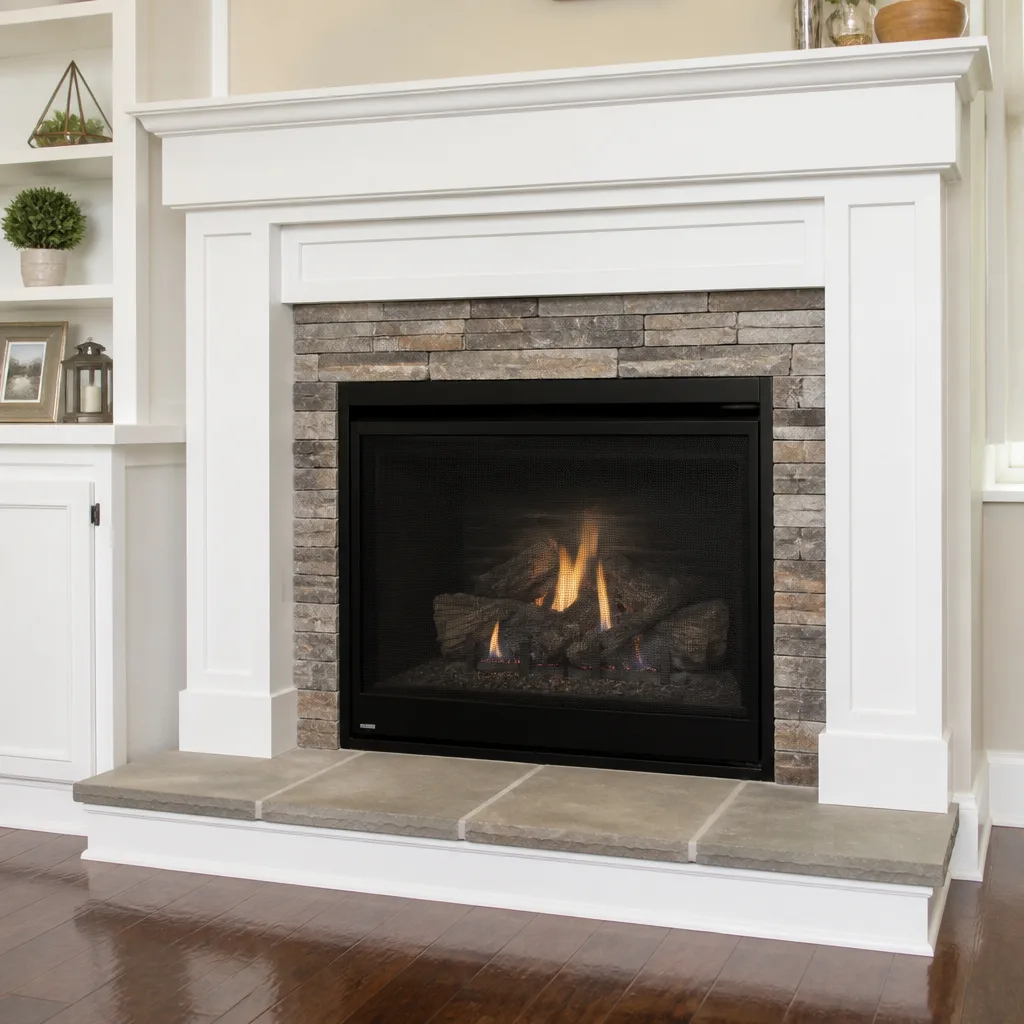
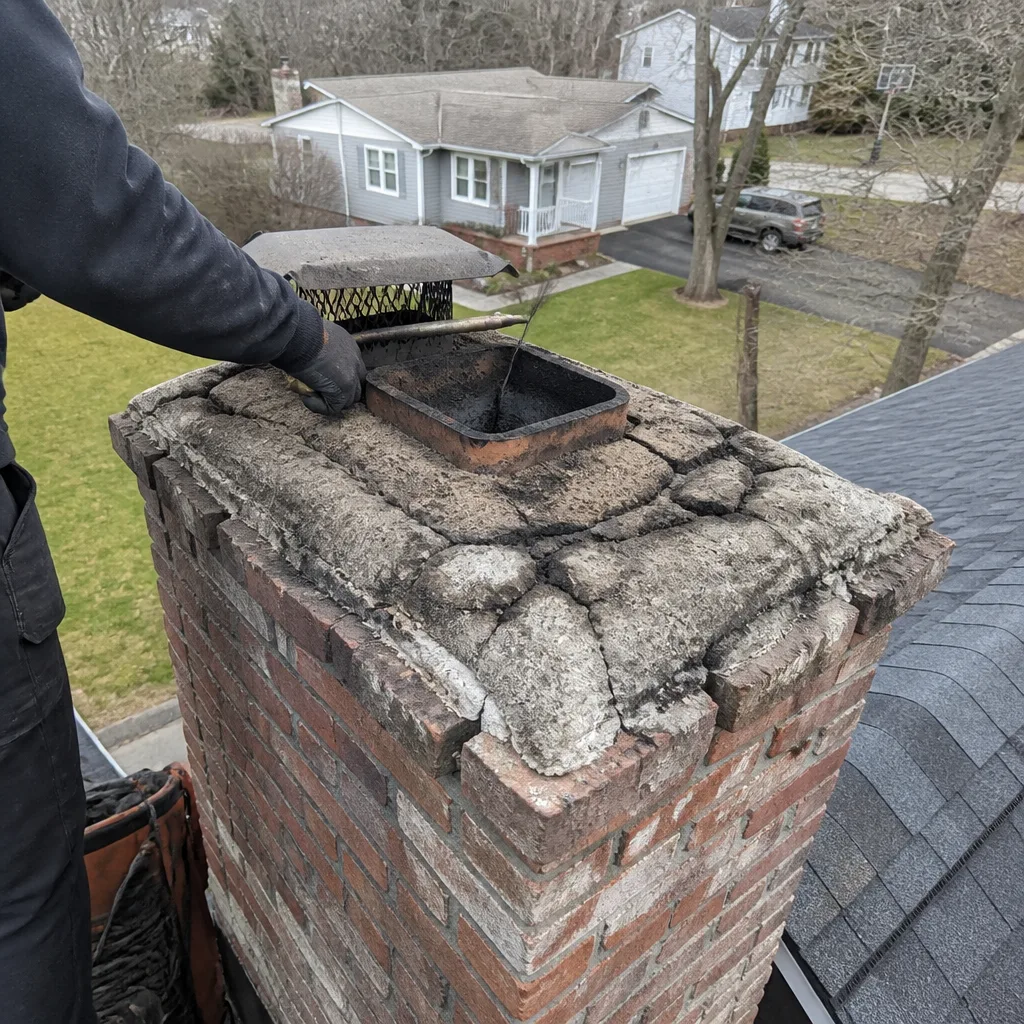 Before
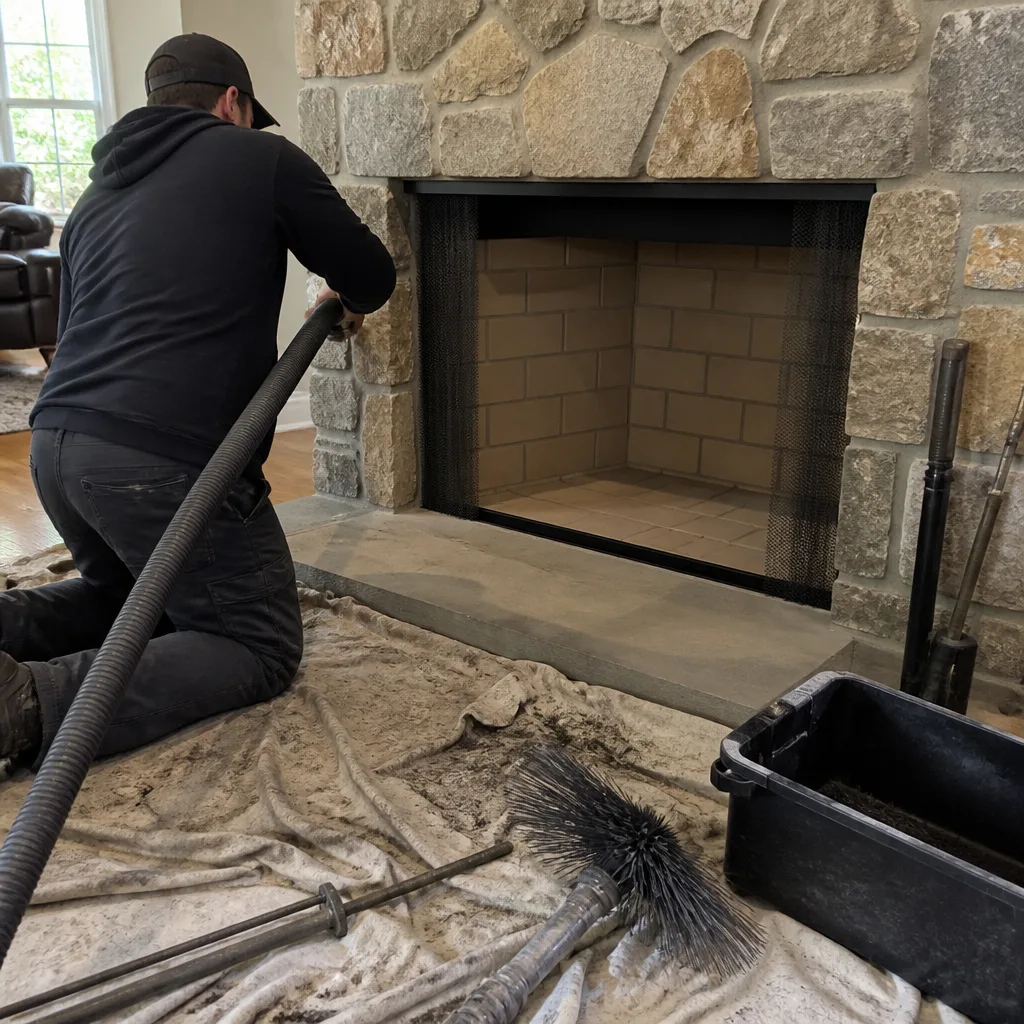 After
After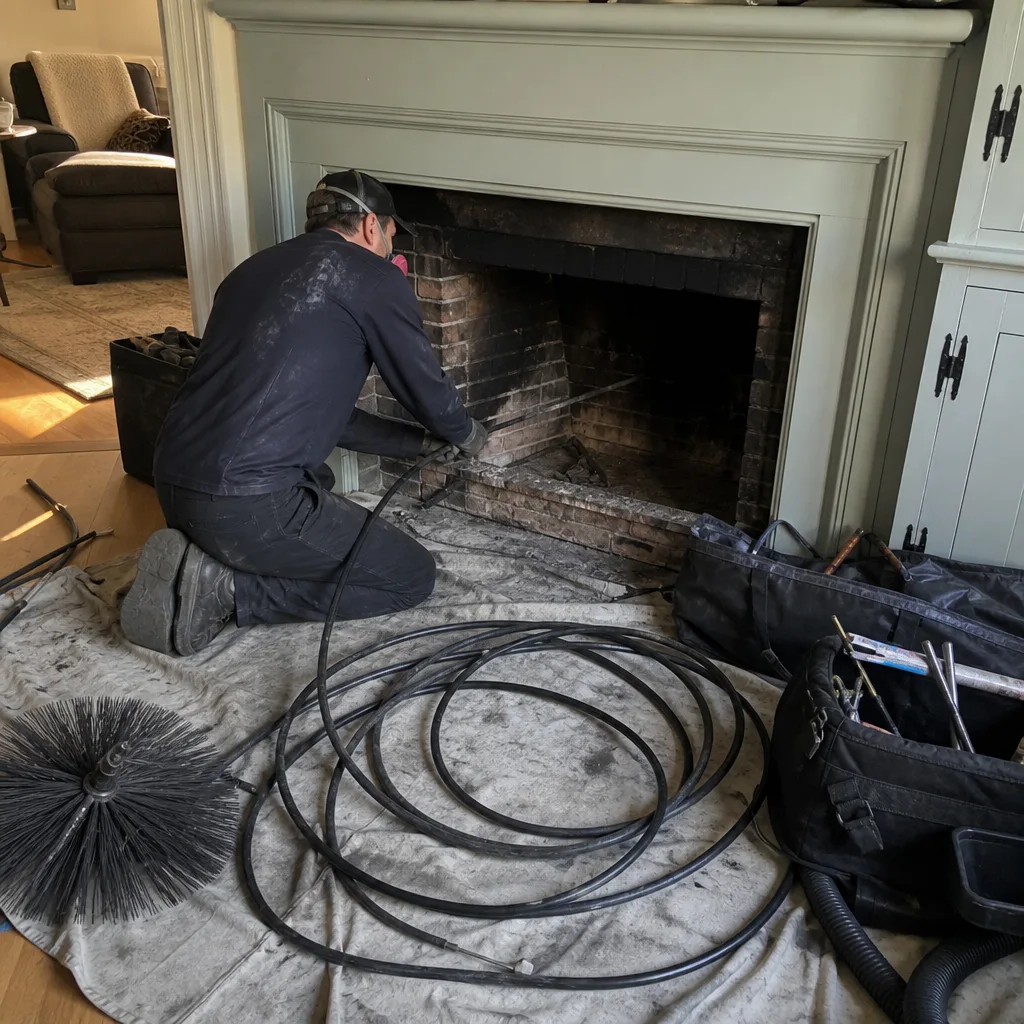 Before
 After
After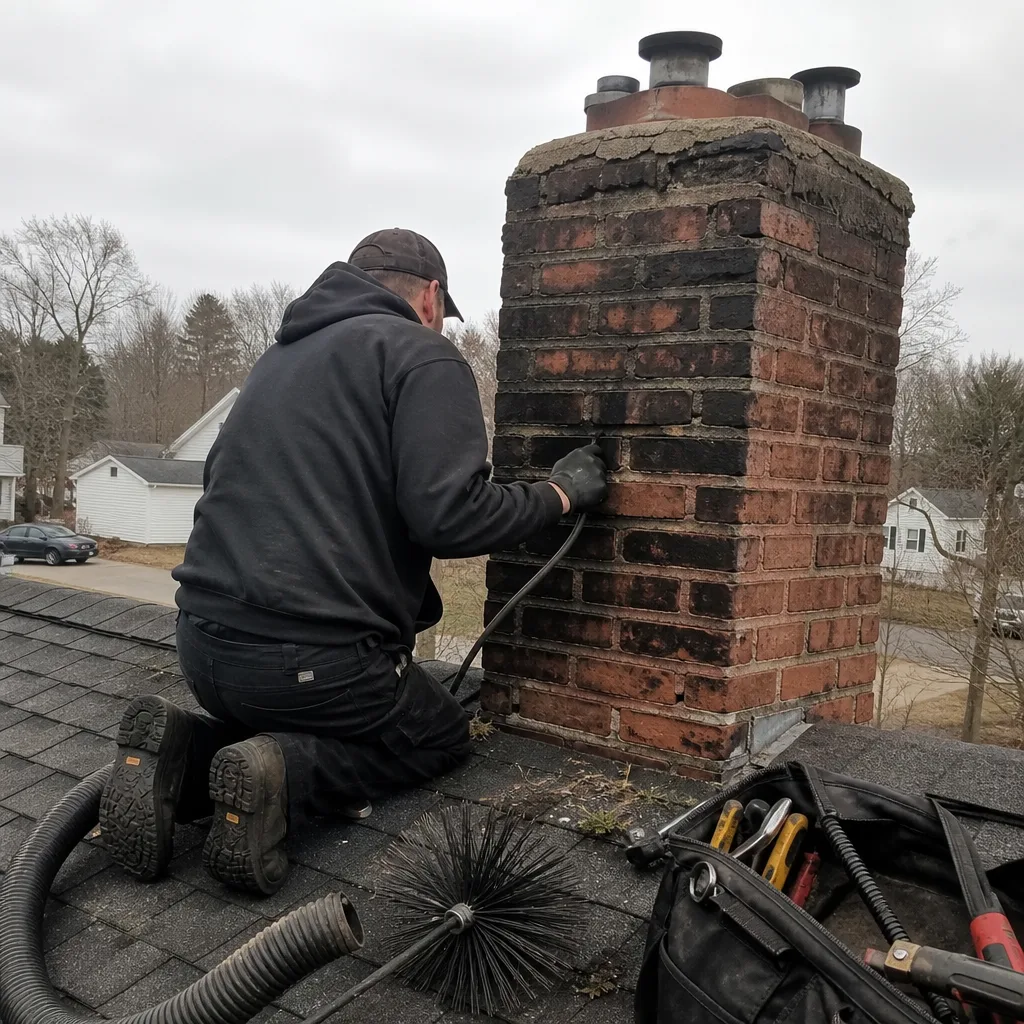 Before
 After
AfterSeasonal Chimney Cleaning Care for Framingham: Year-Round Homeowner’s Guide
The chimney damage most Framingham homeowners pay to repair in October was caused in March, when freeze-thaw cycles cracked the crown and spring rains drove water six inches into the mortar joints. By the time you smell smoke in the living room or notice water stains on the ceiling, the repair bill has often tripled. In this guide and our Chimney Cleaning & Sweep Maintenance Checklist for Framingham Homeowners, we’ll map Framingham’s four distinct chimney stress periods, assign specific inspection and maintenance tasks to each season, and show you why catching problems in spring and summer costs a fraction of what you’ll pay if you wait for the fall rush.
Quick Answer
Year-round chimney care in Framingham means four seasonal tasks: spring inspection for freeze-thaw damage and water intrusion after 25-plus annual freeze-thaw cycles; summer camera scan for vegetation, nests, and cap shifts while access is easiest; fall NFPA 211 Level 2 inspection and sweep before the first fire; and winter monitoring for draft issues and moisture condensation from temperature swings. The standard advice to “clean before winter” misses the critical spring and summer maintenance window, when liner damage and cap deterioration are cheapest to fix.
Table of Contents
- Spring: The Hidden Damage Season in Framingham
- Summer: Why We Schedule Camera Scans in July
- Fall: Pre-Season Inspection Timing That Actually Works
- Winter: Draft, Condensation, and What Changes at Elevation
- Month-by-Month Chimney Action Calendar for Framingham
- What Seasonal Maintenance Costs in Framingham
- Common Mistakes to Avoid
- When to Call a Professional
- Frequently Asked Questions
 Before
 After
AfterSpring: The Hidden Damage Season in Framingham
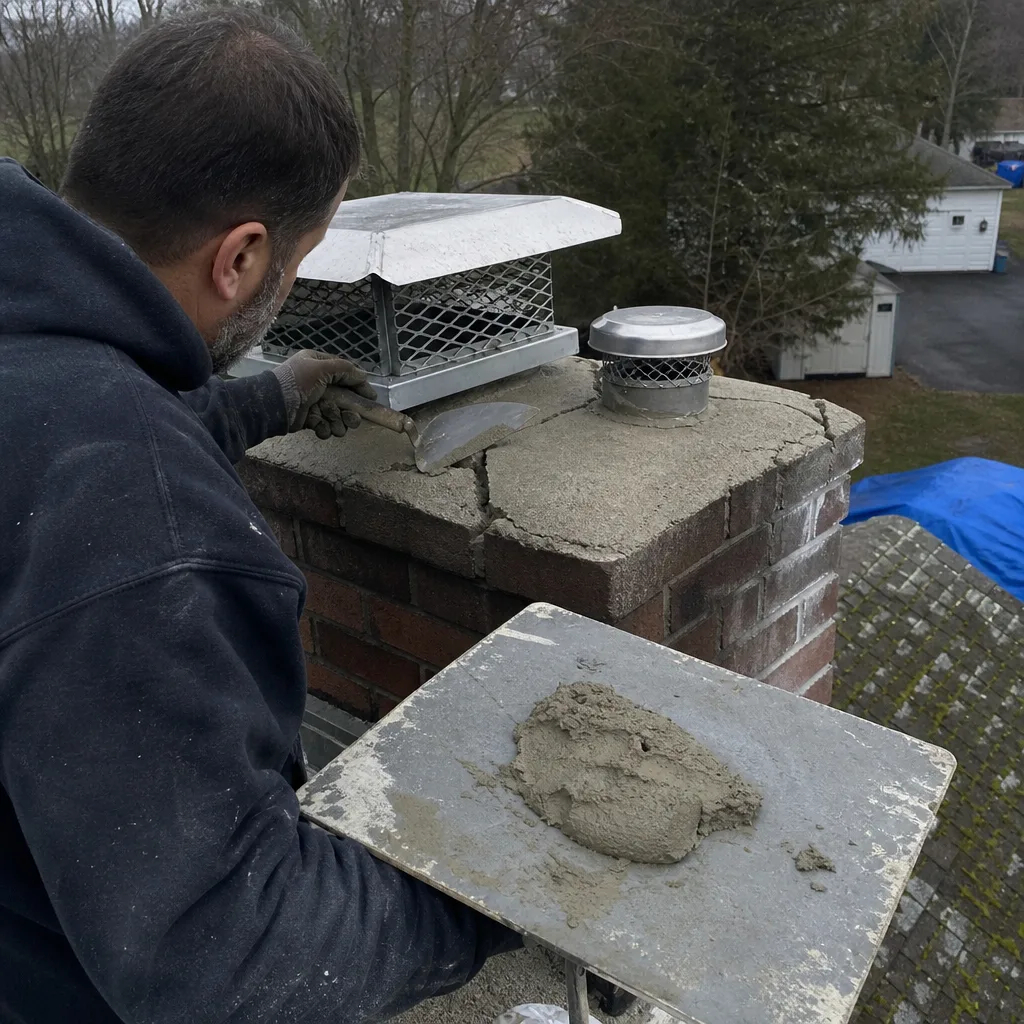
Framingham averages 25 to 30 freeze-thaw cycles each winter, with temperatures swinging above and below 32°F repeatedly from January through March. Each cycle forces water trapped in masonry to expand by about 9 percent, then contract when temperatures drop. By late March, that mechanical stress has opened hairline cracks in the crown, loosened mortar joints, and compromised the seal between the flue liner and surrounding brick.
Spring rains then exploit those openings. We’ve pulled camera footage from April inspections in Framingham showing water penetration six to eight inches into mortar joints, well before any interior staining appears. The homeowner had no idea until we showed them the photo record.
Here’s what spring damage looks like in practice:
- Crown cracks: Hairlines that opened in February become channels by April. Water runs straight down the flue liner or into the smoke chamber.
- Spalling brick: The freeze-thaw surface layer flakes off, exposing porous inner brick to more water absorption.
- Flashing separation: Metal expands and contracts at a different rate than masonry. Spring is when gaps open at the roofline.
- Liner displacement: Clay flue tiles shift microscopically each freeze cycle. Spring inspections catch the cumulative effect before a gap becomes a hazard.
What to do in Framingham, March through May:
- Exterior walk-around: Look for missing mortar, flaked brick faces, or pooling water at the chimney base. No tools needed.
- Attic check: Scan for new water stains on the chimney breast or surrounding framing. Use a flashlight; note any musty smell.
- Schedule a Level 2 camera inspection: Spring is our lightest booking period in Framingham. We can typically schedule within a week, and you’ll have written documentation of any freeze-thaw damage before the summer humidity accelerates deterioration.
The Framingham elevation factor matters here too. At roughly 165 feet above sea level in the downtown area, with higher spots near Nobscot Hill approaching 400 feet, chimneys experience slightly more wind-driven rain exposure than coastal Massachusetts homes. That extra pressure on crown and cap seals makes spring inspection more critical, not less.
Corrine Halstead has noted in our 38,000-plus inspections since 2009 that Framingham’s spring call volume spikes only after interior leaks appear. By then, the repair typically involves crown rebuild or tuckpointing rather than simple sealing. The difference in cost: $800 to $2,400 versus $180 to $340 for preventive treatment.
Summer: Why We Schedule Camera Scans in July
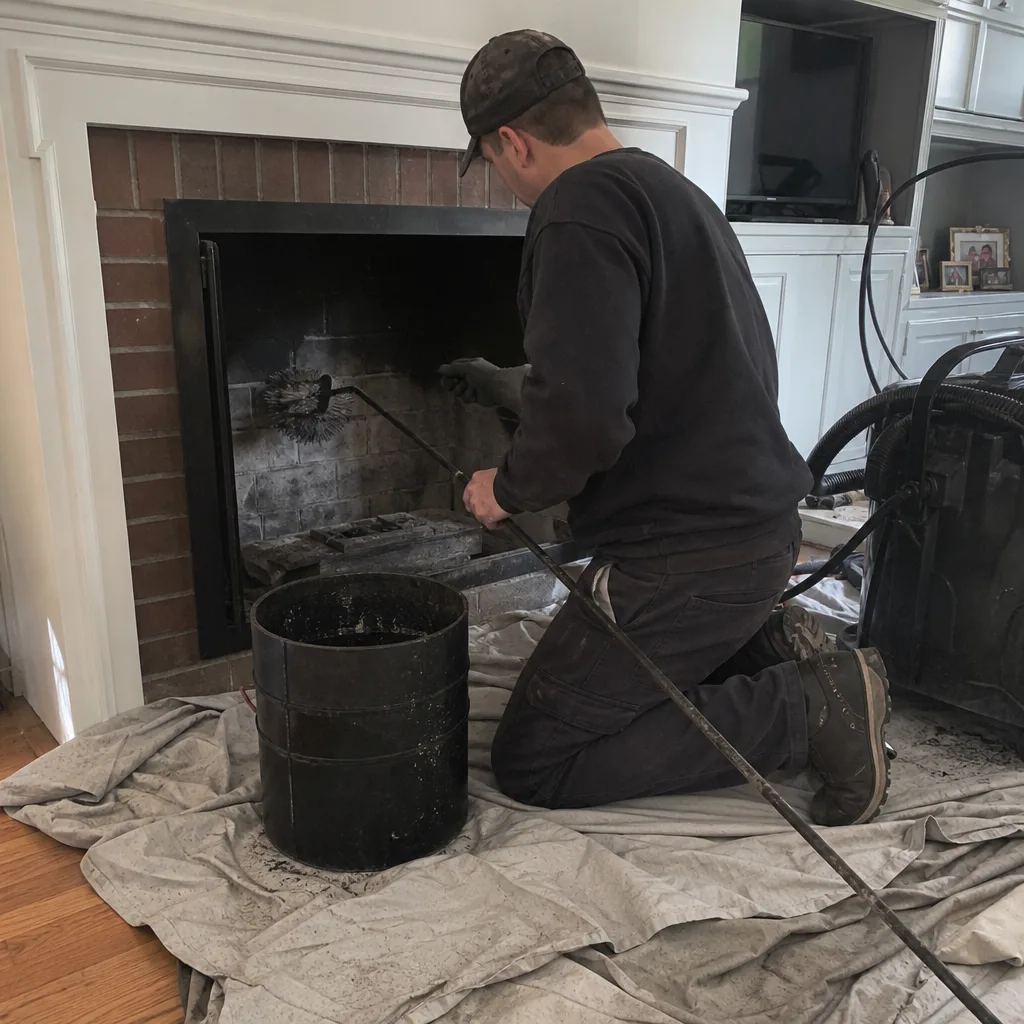
Summer chimney care sounds counterintuitive. The fireplace is cold. The heating bill is zero. But summer conditions in Framingham create inspection opportunities that disappear by September, and the season carries its own risks most homeowners miss.
First, the access advantage. Vegetation is fully grown. Bird nests, squirrel entries, and cap shifts are visible and reachable without leaf cover or ice. We’ve found active nests in June that the homeowner had no idea existed, because the cap shifted half an inch during winter ice loading and created a gap that closed back up by October. A fall inspection would have missed it entirely.
Second, creosote oxidation accelerates in heat and humidity. The residue from last winter’s fires, especially Class II or III creosote (the glazed, tar-like buildup that requires chemical treatment), continues to harden and bond to the flue liner through July and August. By fall, removal requires more aggressive methods. Summer treatment, when the flue is warm and dry, often responds better to mechanical sweeping and reduces the chance we’ll need to return for a second pass.
Third, Framingham’s summer humidity pattern. Average relative humidity runs 65 to 75 percent June through August. That moisture migrates into porous masonry through the same cracks that opened in spring, then sits. Unchecked, it promotes efflorescence (white mineral deposits on brick faces), accelerates steel damper corrosion, and degrades the refractory mortar in manufactured fireplaces.
What a summer camera scan finds that fall misses:
- Vegetation intrusion: Roots or vines that grew into mortar gaps during spring, now visible before autumn leaf cover hides them
- Animal nesting: Active or abandoned nests that would be empty and invisible by October, but have already damaged the flue liner or blocked the smoke chamber
- Cap and spark arrestor condition: Mesh screens corroded by spring rain, now visible before winter creosote loads them further
- Liner joint gaps: Thermal expansion from summer heat cycling opens clay tile joints wider than they’ll show in cold weather
Our summer schedule in Framingham typically has availability within five to seven days. The inspection takes 60 to 90 minutes, includes a full camera scan down the flue, and produces a documented photo record under Haven Standard Clause 4. If we find Class III creosote, we can schedule the chemical treatment in August, let it work for four to six weeks, and complete the sweep before you need the first fire.
Materials matter for summer repairs we do recommend. For liner repairs, we source DuraFlex stainless steel relining pipe through Haven’s buying network. For crown sealing, we use HeatShield refractory products rated for the thermal cycling Framingham chimneys experience. Both are specified in your written scope before any work starts, with pricing, under Haven Standard Clause 1.
Fall: Pre-Season Inspection Timing That Actually Works
Fall is when every chimney company in Massachusetts gets slammed. The first cold snap hits, homeowners smell something odd from the fireplace, and the phone lines jam. In Framingham, that crunch typically runs from the third week of September through mid-November.
Here’s the problem: if you’re calling in October, you’re already behind. The NFPA 211 standard recommends annual inspection, not “before the first fire.” And in Framingham’s climate, the first fire often happens before the homeowner thinks to schedule, because nighttime temperatures drop into the 40s by late September.
We schedule fall inspections beginning August 15. Not because we’re eager, but because the homeowners who book then get three advantages:
- Date selection: Pick a Saturday morning or a specific afternoon slot, rather than taking whatever’s left.
- Repair completion before burn season: If we find crown cracks, liner gaps, or damper corrosion, there’s time to order materials and complete work before you need heat.
- Documentation for insurance: Some Framingham homeowners’ policies now require proof of annual inspection. A September inspection dated before the first fire satisfies that requirement cleanly.
What happens during a fall NFPA 211 Level 2 inspection at your Framingham home:
Our technician arrives in uniform, with license information visible, and sends a text when en route. We set up containment, run a camera from the firebox to the cap, and document every surface of the flue liner, smoke chamber, and firebox floor. You watch the footage in real time. We classify any creosote buildup (Class I, II, or III), note liner condition, measure clearances to combustibles, and inspect the exterior crown, cap, and flashing.
Then we sit down with you and a written price. Not an estimate that balloons. A written scope, written price, and written warranty before anyone picks up a tool. That’s Haven Standard Clause 1. If the scope is sweep only, you’ll know before we start. If we recommend crown sealing or liner repair, you’ll see the camera footage that supports it, and you’ll have the price in writing to compare or delay.
The Framingham neighborhoods we see most in fall: Saxonville, with its 1920s masonry chimneys and original clay liners; Nobscot, where elevation and tree cover create unique draft patterns; and the newer construction near Route 9, where manufactured fireplaces often lack proper chimney caps from the builder. Each has distinct patterns we document and explain in plain terms.
Fall is also when we issue the most Free Second Opinions under the Haven Standard. Homeowners bring us a competitor’s written quote for liner replacement or rebuild, and we run our own camera scan. Sometimes the scope is accurate. Sometimes we find the liner is sound and the recommendation was unnecessary. Either way, you have camera evidence and a second written price. No charge for the inspection.
Winter: Draft, Condensation, and What Changes at Elevation
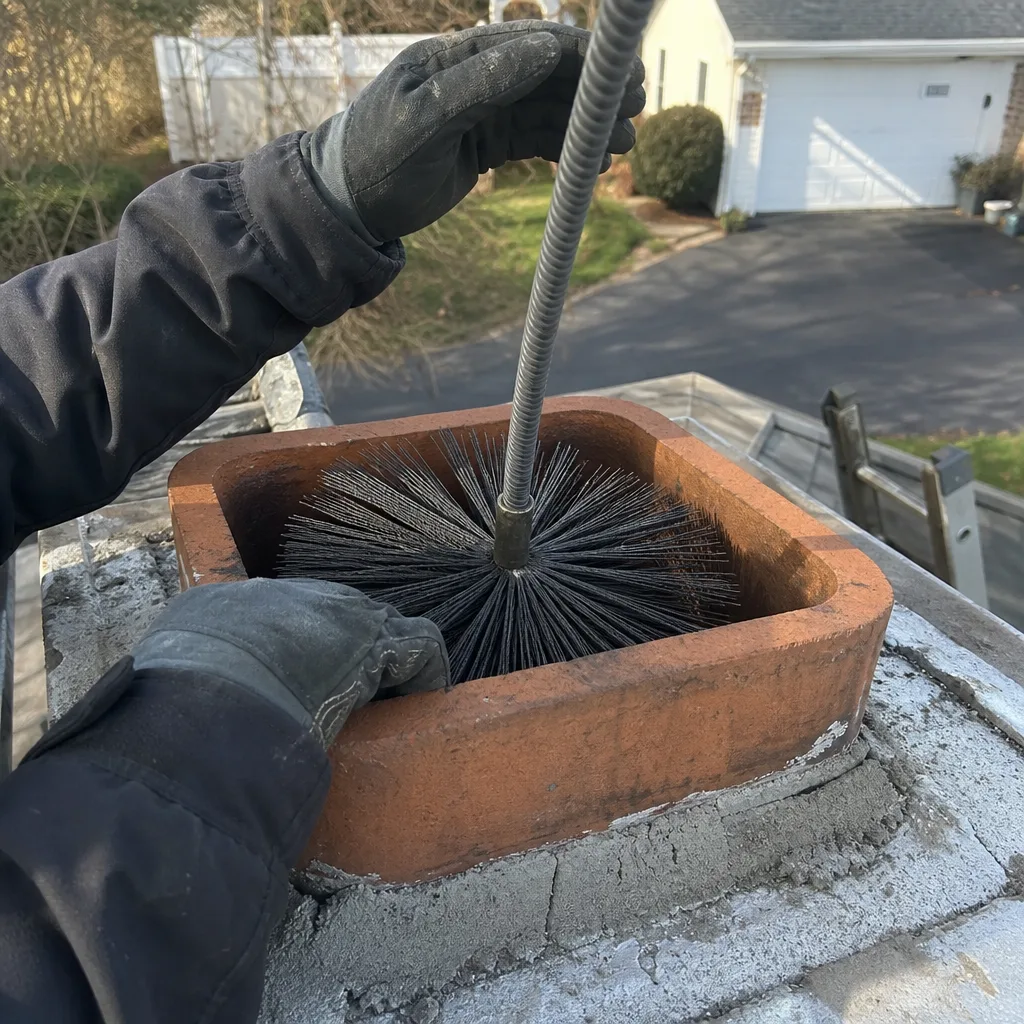
Winter in Framingham isn’t just about using the fireplace. It’s about how temperature differentials, wind patterns, and elevation affect chimney performance in ways that show up as smoke in the room, moisture on windows, or carbon monoxide risk.
Draft is the pressure difference that pulls combustion gases up and out. It depends on three factors: the temperature difference between flue gas and outside air, the height of the chimney, and the local wind environment. Framingham’s elevation range, from roughly 165 feet downtown to over 400 feet near Nobscot Hill, means draft behavior varies block by block. A chimney that drafts perfectly at one elevation may struggle at another with identical construction.
Winter creates two specific problems we see repeatedly in Framingham:
Cold chimney syndrome: An exterior chimney on a north wall, common in 1960s and 1970s Framingham ranch construction, runs below room temperature until the fire is established. The initial smoke has nowhere to go. The fix is often a priming fire (small kindling load to warm the flue) or a top-sealing damper that reduces heat loss when the fireplace isn’t in use. We carry Olympia Chimney top-sealing dampers in our Framingham inventory for same-day installation when the camera inspection supports it.
Moisture condensation in gas flues: High-efficiency furnaces and water heaters vent through chimneys originally built for oil or coal. The cooler exhaust condenses on the flue walls, producing acidic water that attacks clay liners and mortar. In Framingham’s winter, with outside temperatures below 20°F for weeks at a time, this condensation accelerates. We find saturated liners in January that were sound in October. The camera footage shows water streaking, and a moisture meter confirms what the eye suspects.
What Framingham homeowners should monitor in winter:
- Smoke rollback at fire start: Occasional puff is normal; consistent smoke entering the room signals draft failure or blockage
- Water dripping into the firebox: Condensation from gas appliances, or crown/cap leak that’s frozen and thawed repeatedly
- Unusual odors: Musty smells suggest water intrusion; acrid smells suggest creosote ignition risk
- Ice damming at the roofline: Heat loss through a compromised chimney chase melts snow that refreezes at the eaves, creating secondary water entry
We do not recommend winter inspections for routine maintenance unless a specific problem appears. The roof access is hazardous, ice makes exterior work impossible, and the homeowner needs heat. But we do answer calls 24 hours a day, seven days a week, and we’ll run a camera scan if you report smoke, odor, or draft failure. If the problem can wait for spring weather, we’ll say so plainly. If it’s a carbon monoxide risk, we’ll document what we find and explain your options before any work begins.
Month-by-Month Chimney Action Calendar for Framingham
This calendar separates what you can observe yourself from what triggers a professional call. No-cost observations are marked (FREE). Professional service triggers are marked (CALL).
January
- (FREE) Note any smoke rollback at fire start; check for water stains on ceiling near chimney breast
- (CALL) Persistent smoke, odor, or visible water in firebox
February
- (FREE) After heavy snow, check roofline for ice accumulation pattern near chimney
- (CALL) Ice damming that appears concentrated at chimney chase
March
- (FREE) First exterior walk-around of the year; look for spalled brick, missing mortar, crown cracks
- (CALL) Any visible crown damage, mortar gaps, or flashing separation; schedule Level 2 camera inspection
April
- (FREE) Attic inspection for new water stains; check fireplace damper operation after winter use
- (CALL) Any stain or smell indicating water intrusion; camera scan to document freeze-thaw damage
May
- (FREE) Trim vegetation back to 18 inches from chimney exterior
- (CALL) Vegetation that has grown into mortar joints or cap gaps
June
- (FREE) Observe cap and spark arrestor from ground; note animal activity
- (CALL) Active nesting, damaged mesh, or cap shift visible from ground
July
- (FREE) Nothing scheduled; this is your lightest maintenance month
- (CALL) Ideal month for proactive camera scan and sweep if creosote was heavy last winter
August
- (FREE) Review last winter’s heating bills; unusual increase may indicate draft inefficiency
- (CALL) Book fall inspection now; schedule any recommended repairs before September rush
September
- (FREE) Test smoke and CO detectors; verify fire extinguisher charge
- (CALL) NFPA 211 Level 2 inspection and sweep; last call for pre-season repair completion
October
- (FREE) First fire: use small kindling load, check draft behavior before full load
- (CALL) Any smoke, odor, or draft problem on first use; emergency inspection if needed
November
- (FREE) Monitor for condensation on windows near fireplace; may indicate draft reversal
- (CALL) Persistent condensation pattern linked to fireplace use
December
- (FREE) Visual check of exterior after first major storm; note any new cap or flashing displacement
- (CALL) Storm damage visible from ground; interior leak or draft change after high wind
What Seasonal Maintenance Costs in Framingham
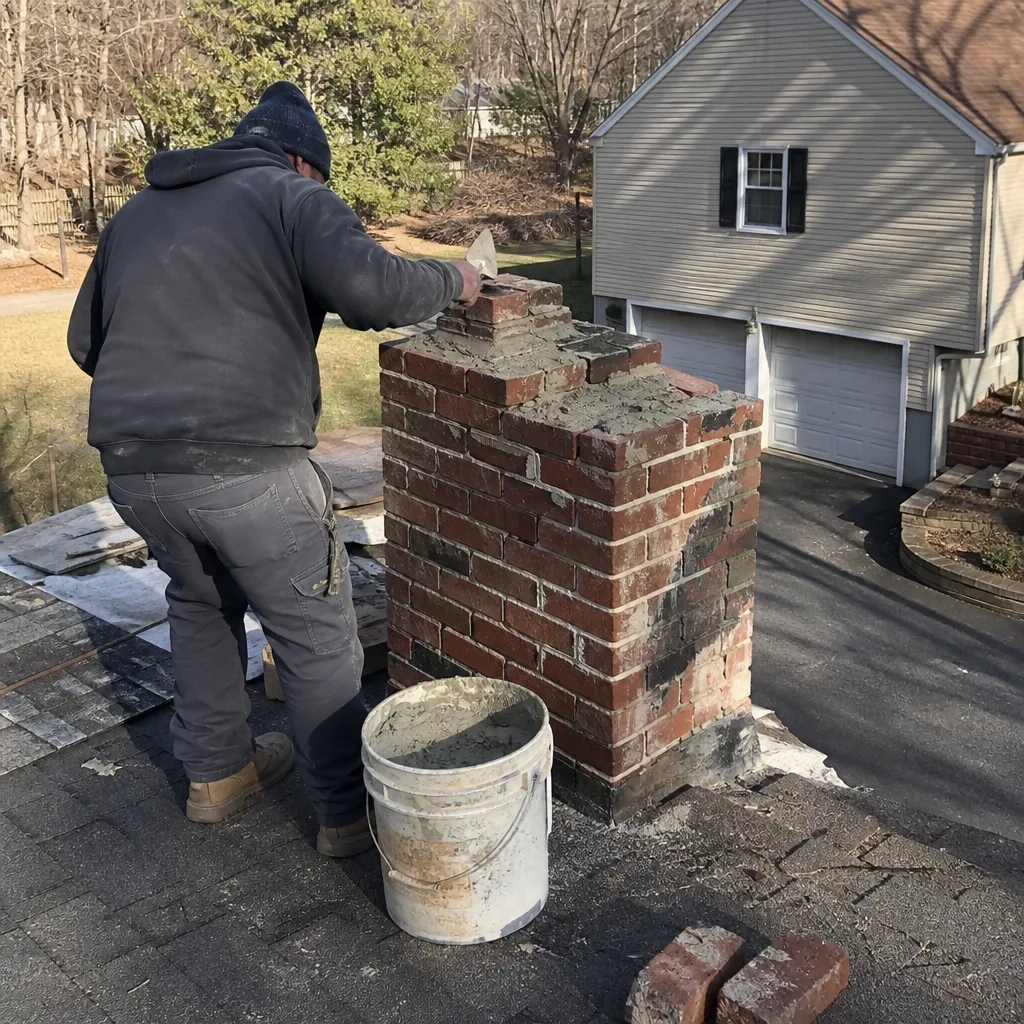
We put prices on the page because “call for a quote” wastes your time and ours. Every price below is a range based on Framingham market rates for 2024-2025, confirmed in writing before work starts under Haven Standard Clause 1.
| Service | Typical Range in Framingham | Seasonal Notes |
|---|---|---|
| NFPA 211 Level 2 Inspection with Camera Scan | $249 - $349 | Included: documented photo record, written findings. Spring/summer booking often at lower end. |
| Chimney Sweep (Class I Creosote) | $180 - $260 | Standard maintenance sweep. Add inspection package for full documentation. |
| Class II/III Creosote Treatment + Sweep | $340 - $520 | Chemical application plus mechanical removal. Summer treatment window reduces cost. |
| Crown Sealing/Repair | $380 - $780 | Spring catch: minor crack sealing at lower end. Fall discovery of full crown failure: upper end. |
| Tuckpointing (localized mortar repair) | $520 - $1,200 | Spring/summer access reduces labor cost. Winter tuckpointing rarely possible. |
| Stainless Steel Liner Installation (DuraFlex) | $2,400 - $4,800 | Full relining with materials sourced through Haven buying network. Written scope specifies gauge and insulation. |
| Chimney Cap Replacement (standard size) | $280 - $520 | Famco and Copperfield caps stocked for common Framingham flue sizes. Custom sizes quoted separately. |
The Free Second Opinion applies to any written estimate from a competitor. Bring us the scope and price, we’ll run our camera scan, and you’ll have a second documented opinion at no charge.
Payment terms: We accept check, card, or financing through approved partners. The 365-Day Done Right Promise covers all work; if it’s not done right, we make it right. That’s stamped on every job, not offered as an afterthought.
Common Mistakes to Avoid
- Waiting for fall to think about your chimney. By October, every reputable sweep in Framingham is booked two to three weeks out. The homeowner who discovers a liner gap or crown crack then faces a choice: delay the first fire or pay emergency pricing.
- Assuming no fire last winter means no creosote. Even gas appliances produce condensation and corrosive residue. The NFPA 211 inspection standard applies to all chimney types, not just wood-burning.
- Ignoring spring water intrusion signs. A small stain on the chimney breast in April becomes ceiling drywall replacement by November. The repair cost multiplier is typically 4x to 6x.
- Accepting a “flashlight inspection” as sufficient. A flashlight look from the firebox tells you nothing about the flue liner condition above the smoke chamber. Camera documentation is the only method that satisfies NFPA 211 Level 2 and Haven Standard Clause 4.
- DIY creosote removal with hardware store tools. Class III glazed creosote bonds to liner surfaces and requires chemical treatment followed by mechanical removal. Improper tools can damage clay tiles or stainless steel liners, and the fire risk remains.
- Neglecting the chimney cap after installation. Caps shift, mesh corrodes, and animal intrusion happens. A cap installed five years ago may be non-functional now. We check cap integrity on every inspection.
- Assuming new construction chimneys are maintenance-free. Framingham homes built 2015 to 2025 often have manufactured fireplaces with minimal chimney caps and no liner insulation. These require the same annual inspection as 1920s masonry.
When to Call a Professional
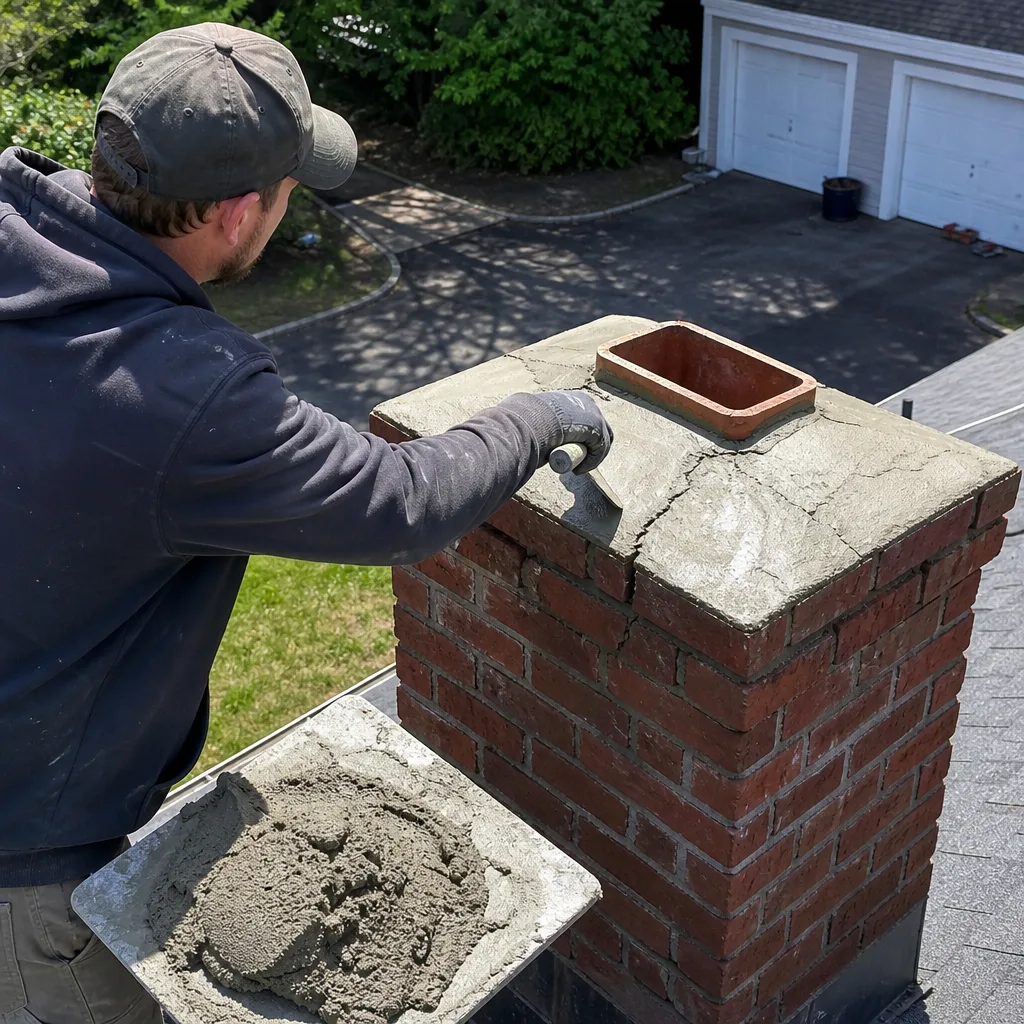
Call when you observe smoke where it shouldn’t be, water where it hasn’t been, or odors you can’t explain. These are not “wait and see” situations in a chimney system. Carbon monoxide is odorless, and chimney fires often start without visible flame.
Specific triggers: persistent smoke rollback at fire start, water dripping into the firebox or staining nearby ceilings, a strong musty or acrid odor from the fireplace when not in use, visible spalling or missing mortar on exterior brick, or any animal activity at the cap. After any chimney fire, even one that self-extinguished, a Level 2 camera inspection is mandatory before the next use.
Level Two Chimney Framingham offers free estimates in Framingham. Call (508) 850-0489. A live person answers 24 hours a day, seven days a week. We’ll schedule a camera-scan inspection, show you what we find in plain terms, and deliver a written price before any work starts.
Frequently Asked Questions
A standard chimney sweep in Framingham ranges from $180 to $260 for Class I creosote removal, and $340 to $520 for Class II or III glazed buildup requiring chemical pretreatment. We deliver a written price before any work starts under Haven Standard Clause 1. Call (508) 850-0489 for an exact quote - estimates are free.
It depends on what the camera shows. Clay flue tiles with single cracks can sometimes be repaired with HeatShield refractory sealant. Multiple cracks, shifting, or gaps between tiles typically require stainless steel relining with DuraFlex pipe. We show you the footage, explain the options, and give you a written price for each. Nothing is recommended without camera evidence you can see for yourself.
The NFPA 211 standard requires annual inspection for all chimney types, with sweeping frequency based on creosote accumulation, not calendar time. A fireplace used daily from November through March typically needs annual sweeping. Occasional use may extend to every two years, but the inspection remains annual. Framingham’s freeze-thaw cycles and humidity make the inspection non-negotiable regardless of use.
Skipped maintenance in Framingham typically produces one of three outcomes: water intrusion through crown or mortar damage that progresses to interior repair; creosote buildup that progresses from Class I to Class III, doubling or tripling removal cost; or liner deterioration that goes undetected until draft failure or a chimney fire. The camera documentation from a single inspection prevents all three.
Framingham’s elevation range, from 165 feet to over 400 feet, creates local wind patterns and temperature differentials that affect draft pressure. Higher-elevation homes near Nobscot Hill experience stronger wind gusts that can reverse draft in marginal conditions, and slightly lower atmospheric pressure that reduces natural draft strength. These factors don’t change the maintenance schedule, but they explain why two identical chimneys may perform differently across town.
Homeowners can and should perform monthly visual checks from ground level and in the attic. But a flashlight look from the firebox reveals nothing about the flue liner above the smoke chamber, and roof access is hazardous without proper equipment. The NFPA 211 Level 2 camera inspection, which we’ve performed as standard practice since 2009 under Haven Standard Clause 4, is the only method that documents the full flue surface. We recommend professional inspection annually, with homeowner observation monthly.
The Bottom Line
Framingham’s climate creates four distinct chimney stress periods, and the cheapest repairs happen in spring and summer when damage is fresh and access is easy. The standard fall-only approach misses freeze-thaw cracks that open in March, creosote that hardens through August, and cap shifts that close back up by October. A year-round strategy - spring inspection for water damage, summer camera scan for vegetation and nests, fall NFPA 211 Level 2 inspection before the first fire, and winter monitoring for draft and condensation - keeps repair costs at the low end and eliminates the emergency fall rush. Every inspection from Level Two Chimney Framingham includes a camera scan, documented photo record, and written price before work starts. We’ve done this for more than 38,000 chimneys since 2009.
Written by Corrine Halstead, Owner at Level Two Chimney Framingham, serving Framingham since 2009.