
Last updated September 22, 2026
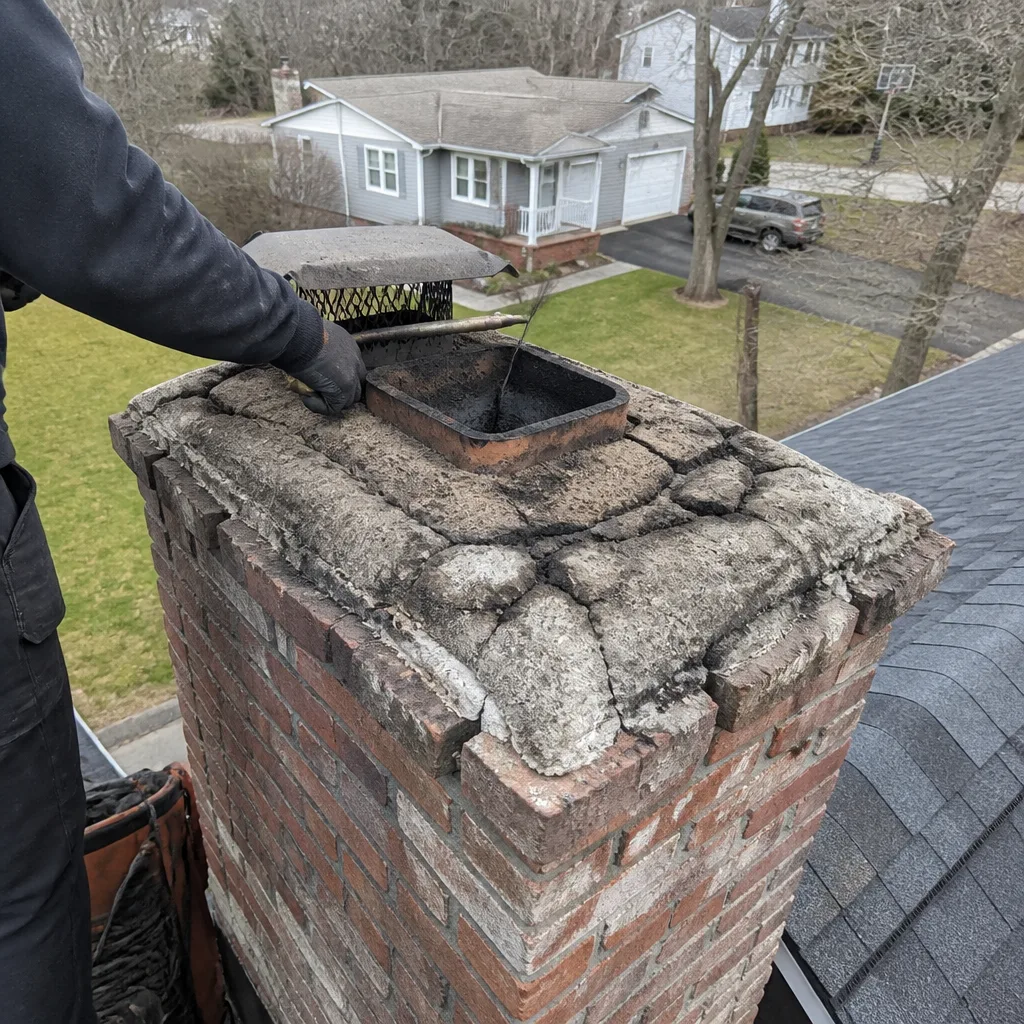
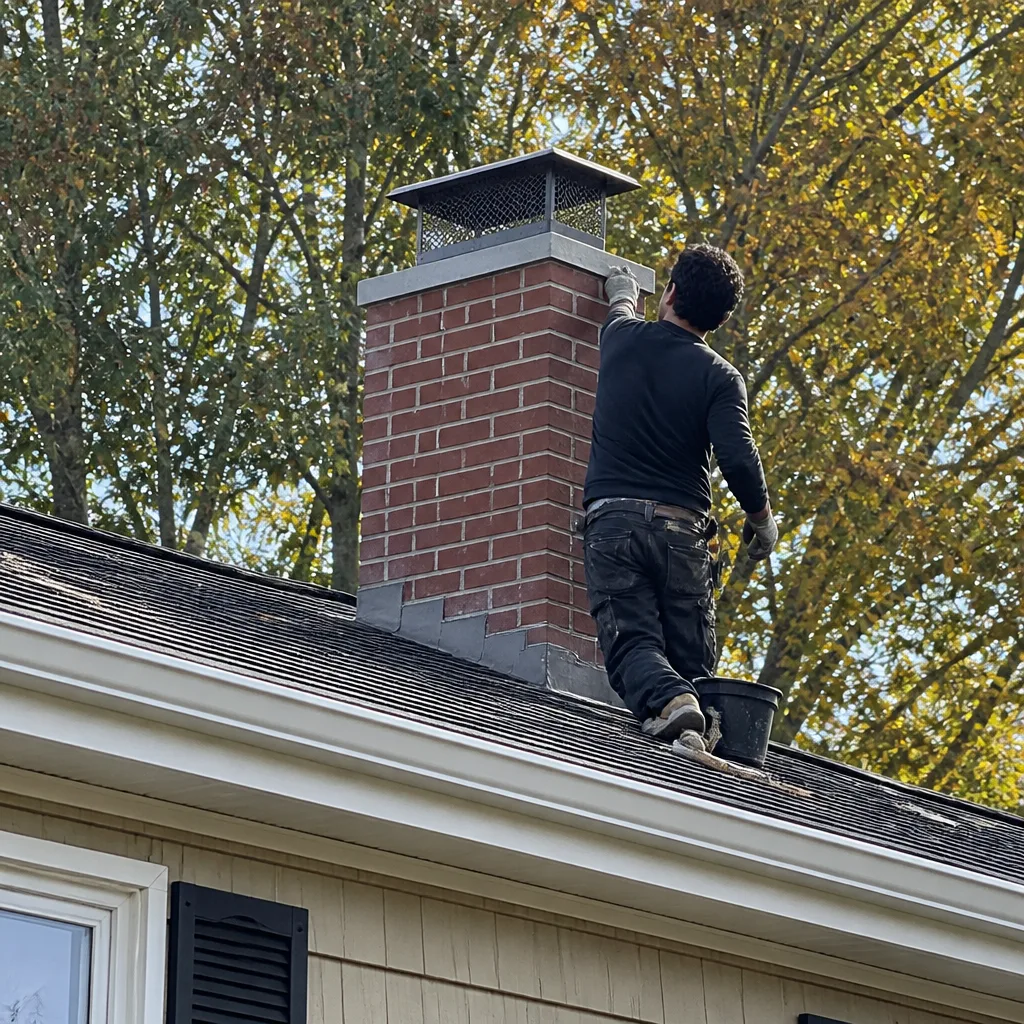
Level 1 sweep and inspection to the NFPA 211 annual standard - flue, crown, cap, and flashing checked and photographed
Chimney sweep logs do not sweep chimneys. They loosen some creosote - which then falls where a brush and vacuum still have to collect it.
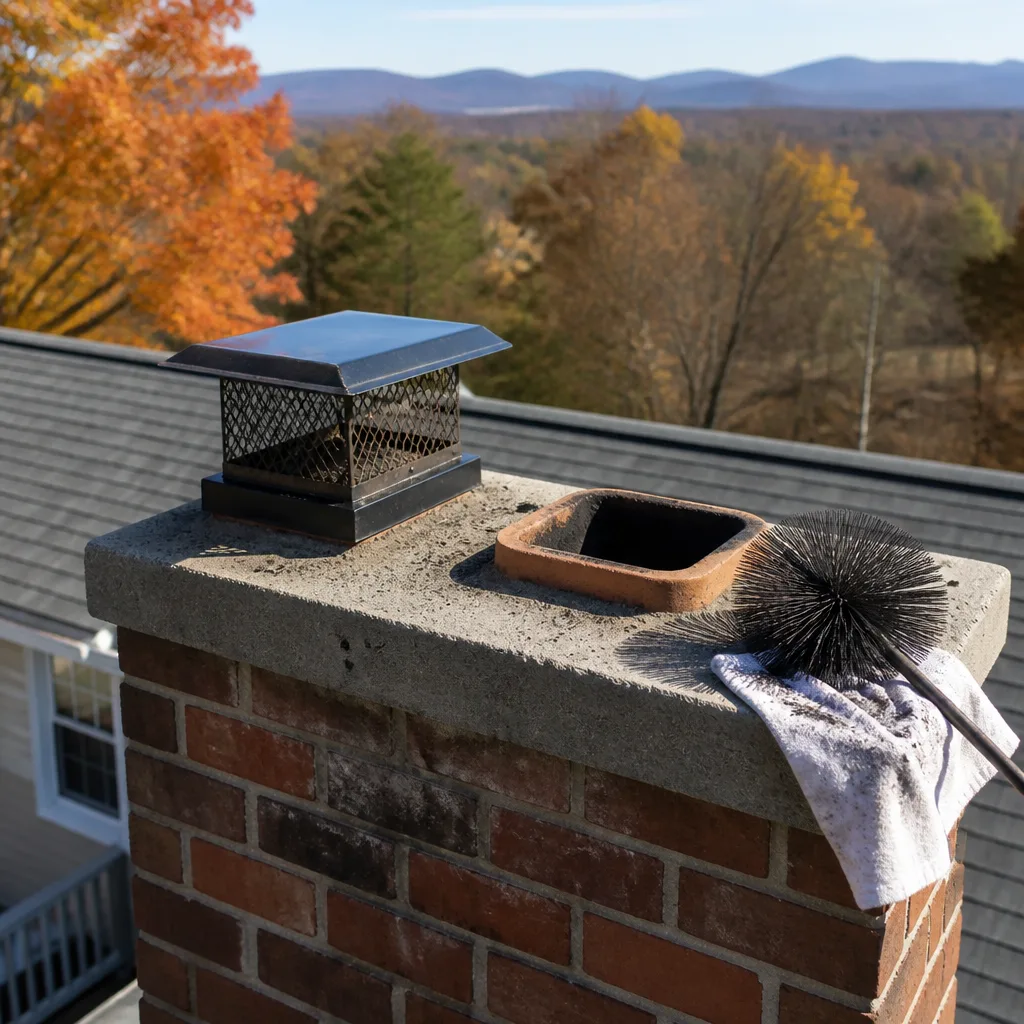
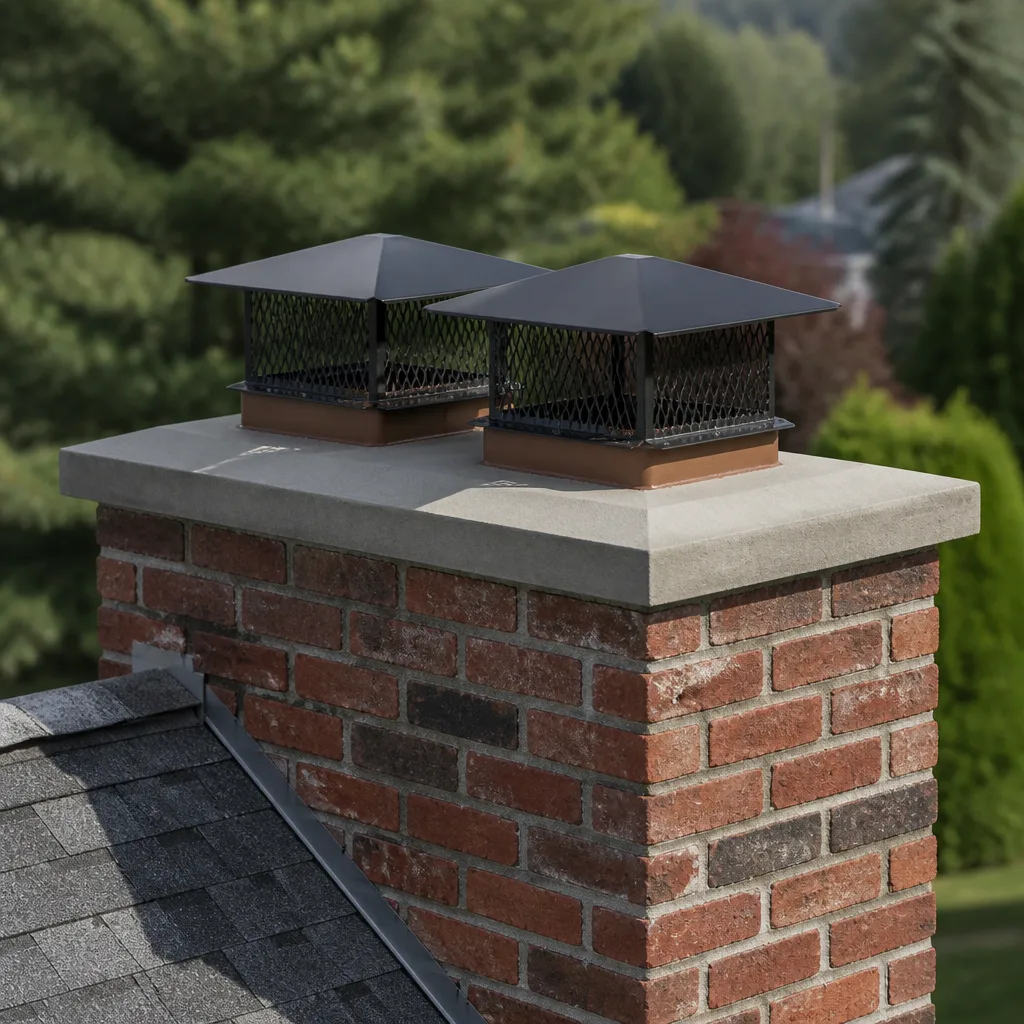
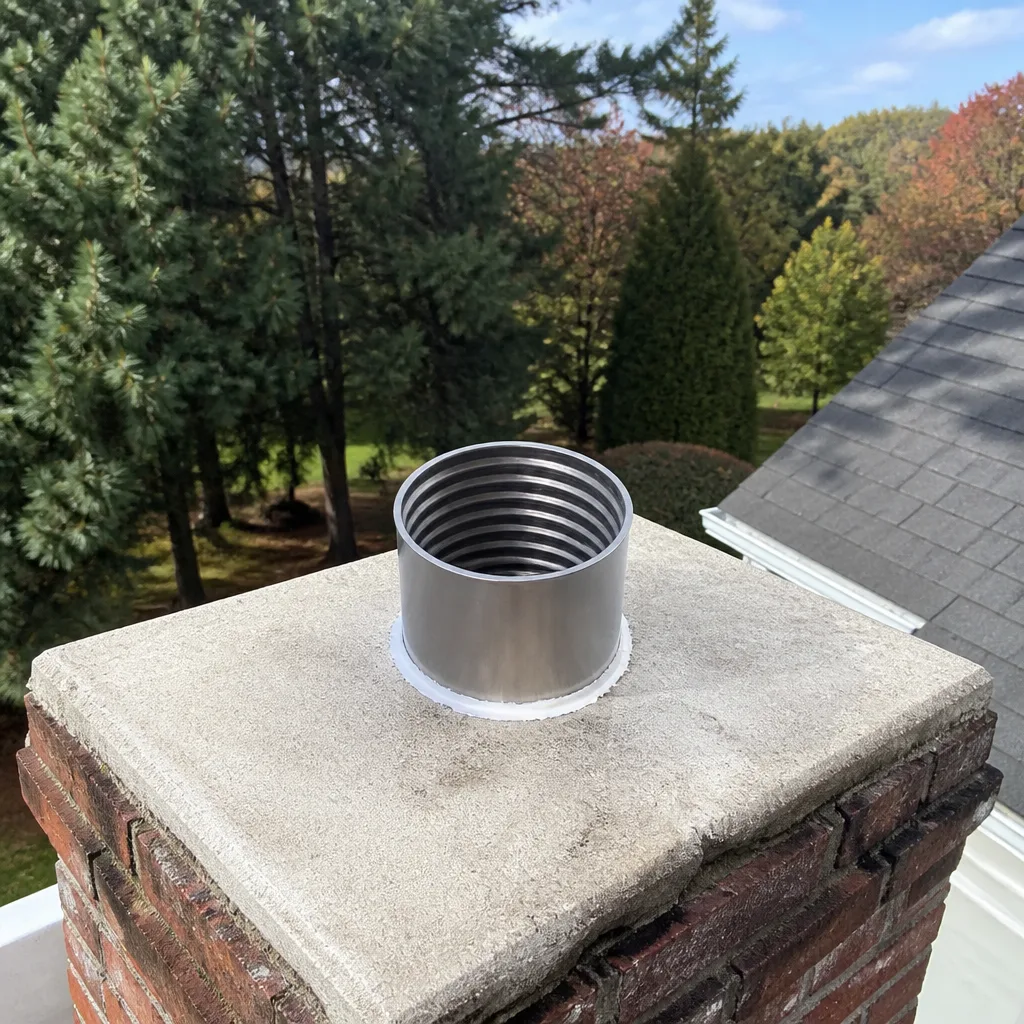
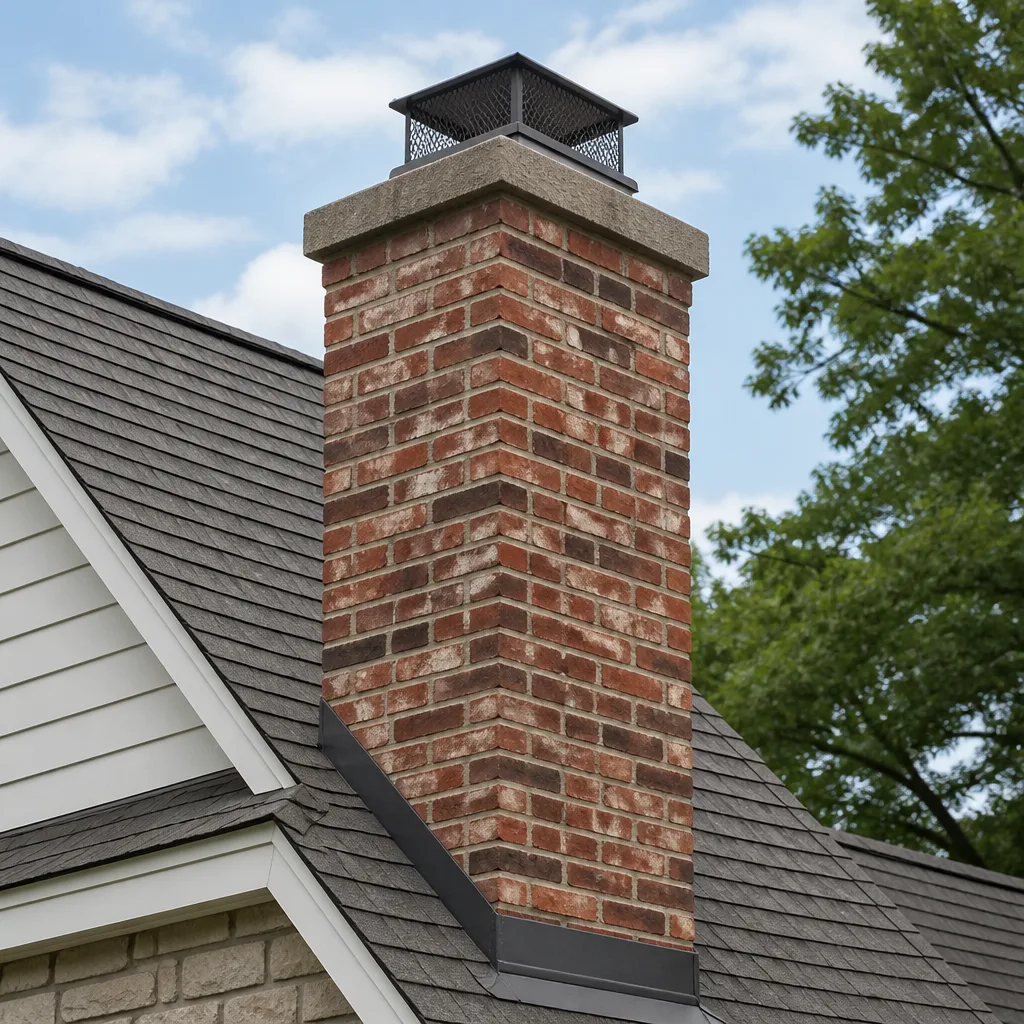
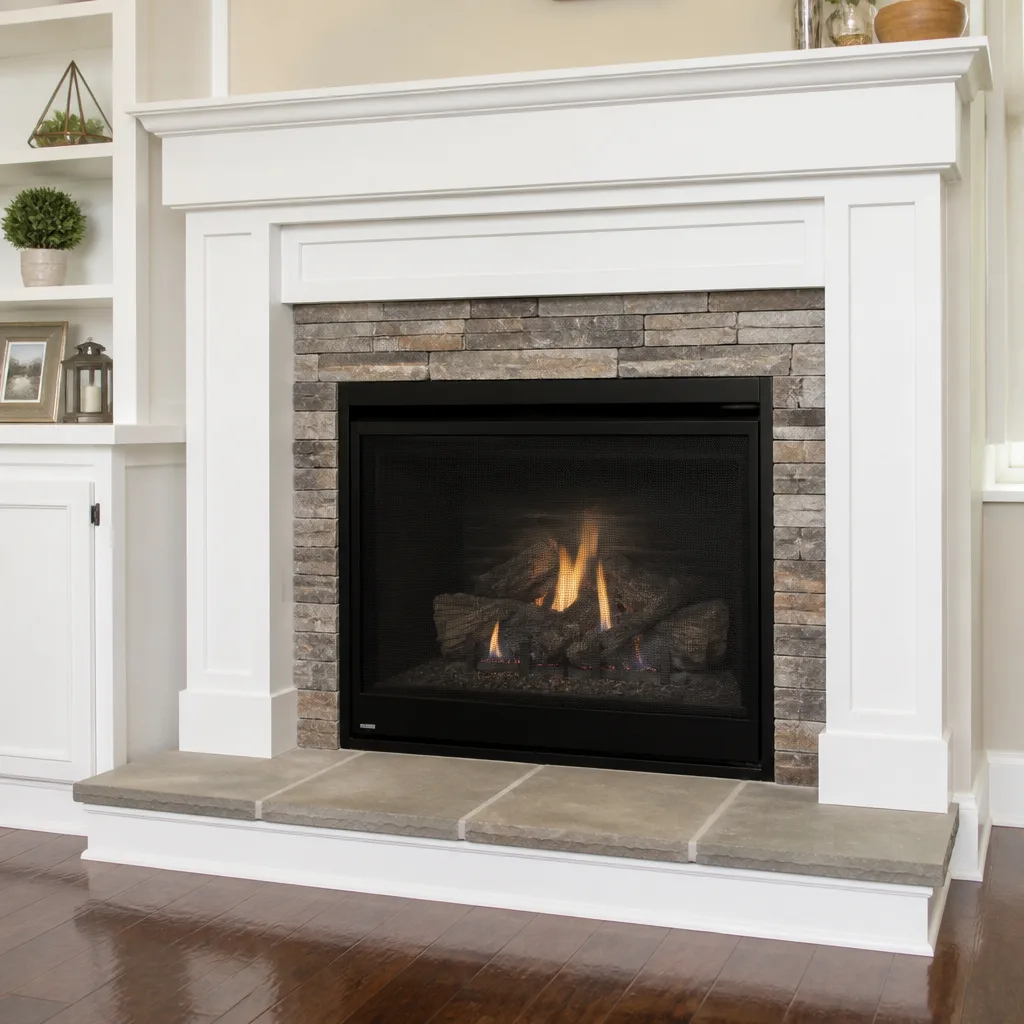
 Before
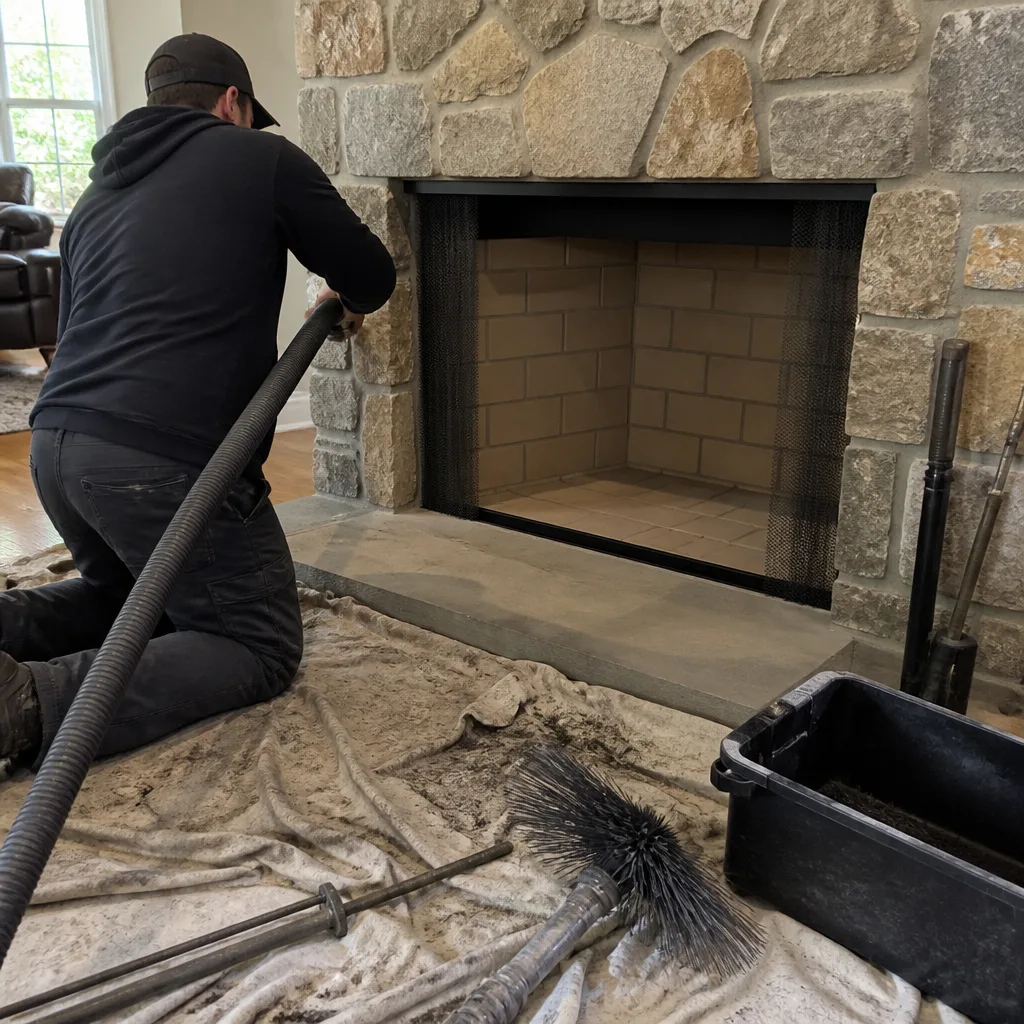 After
After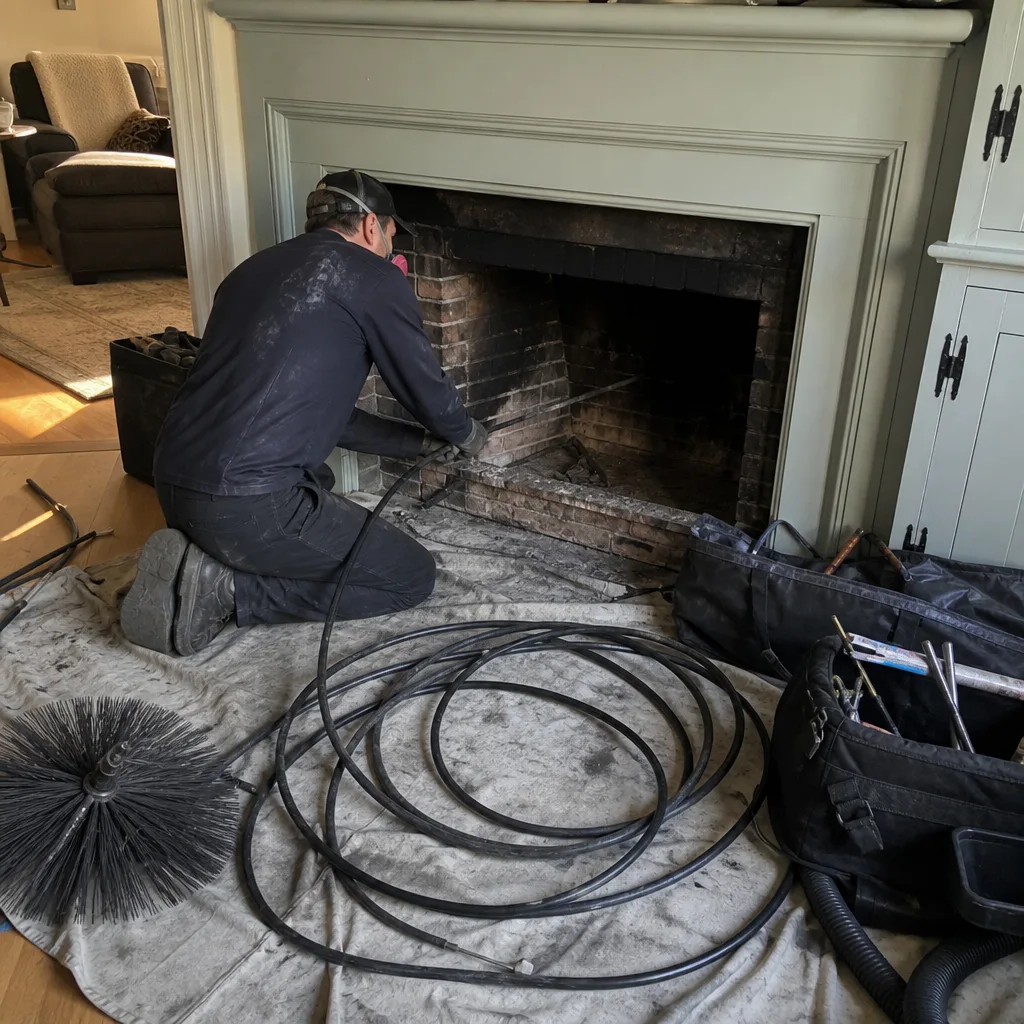 Before
 After
After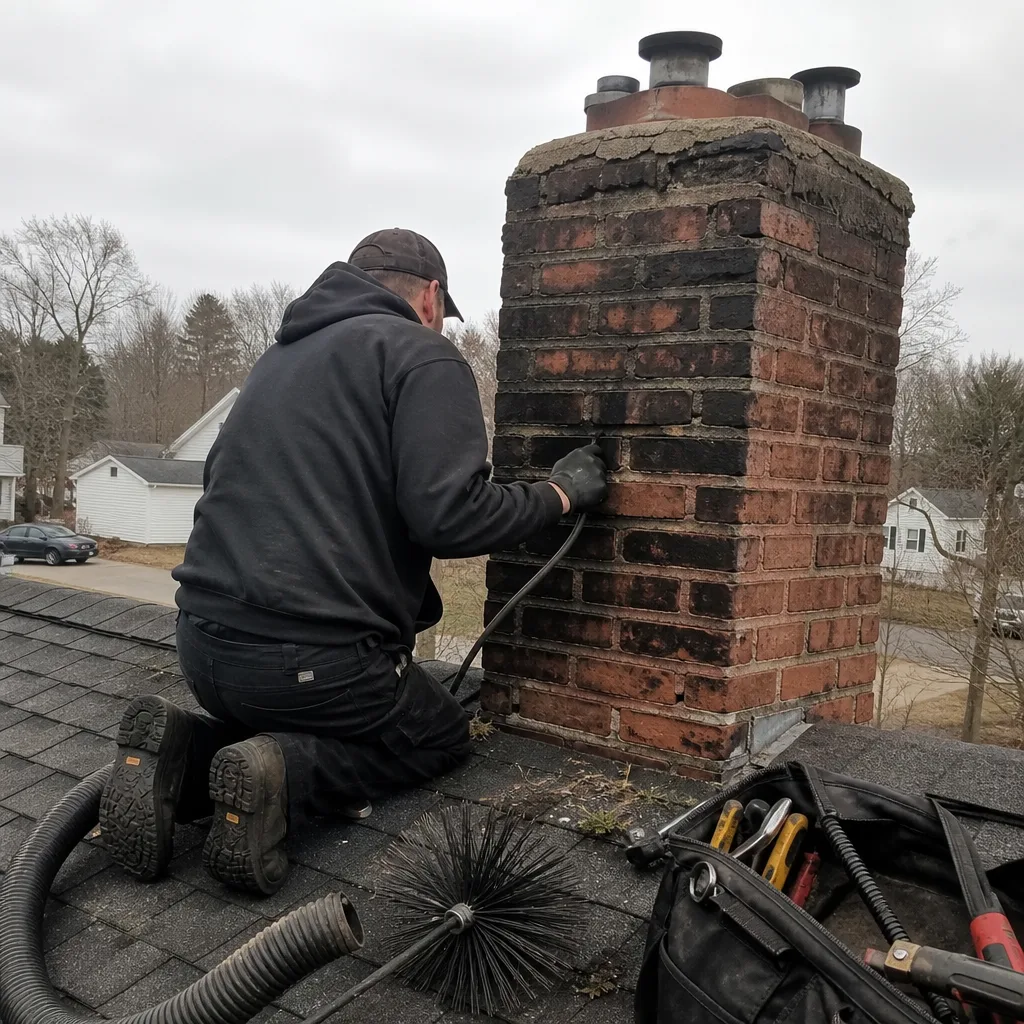 Before
 After
AfterThe Complete Guide to Chimney Cleaning in Framingham
The NFPA estimates that 25% of home heating fires involve chimneys that were “recently cleaned.” The gap is almost always in what the cleaning failed to find, not what it removed. In Framingham, where triple-decker stock from the 1920s sits beside post-war capes and new construction off Route 9, most homeowners still receive a flashlight sweep and a verbal “all clear.” This guide explains what a complete chimney cleaning actually produces: a camera record, a written condition report, and a price confirmed before a brush touches the flue. For year-round seasonal care specific to Framingham homes, see our dedicated guide. You’ll learn why the inspection level matters, what Framingham’s wet winters and conversion history mean for your flue, and how to read the documentation you should walk away with.
Quick Answer
A proper chimney cleaning in Framingham removes combustible creosote buildup and includes an NFPA 211 Level 2 camera inspection of the flue liner, smoke chamber, and accessible masonry. The service should produce a written condition report with photos, a written price before any work begins, and a documented record for your files. Expect to pay $189-$349 for a standard sweep with Level 2 inspection in the Framingham market, depending on appliance type, accessibility, and creosote severity. Not sure whether to tackle maintenance yourself or call a pro? Read our DIY vs Professional Chimney Cleaning: The Framingham Homeowner’s Decision Guide.
Table of Contents
- What Chimney Cleaning Actually Includes (And What It Shouldn’t Skip)
- The Three NFPA 211 Inspection Levels: Why Level 1 Alone Is Insufficient
- What a Camera Scan Actually Captures Versus a Flashlight Look
- What a Written Condition Report Should Contain
- Framingham-Specific Risk Factors: Age, Conversions, and Climate
- What to Expect at Every Stage: From Scheduling to Documented Close-Out
- Chimney Cleaning Cost in Framingham: A Line-Item Breakdown
- Common Mistakes to Avoid
- When to Call a Professional
- Frequently Asked Questions
- The Bottom Line
 Before
 After
AfterWhat Chimney Cleaning Actually Includes (And What It Shouldn’t Skip)
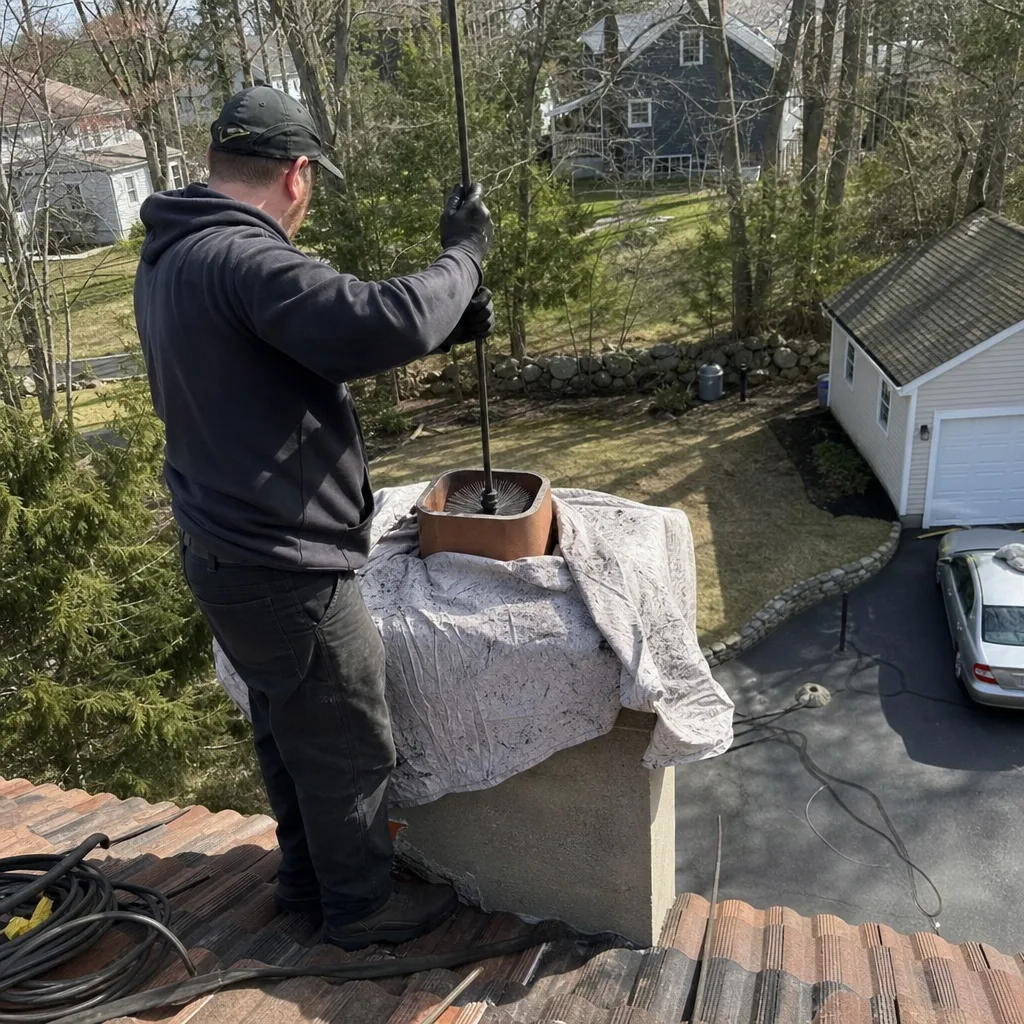
A chimney cleaning is not simply brushing soot off flue walls. The service, properly called a chimney sweep, involves mechanical removal of creosote deposits from the firebox, smoke chamber, flue liner, and damper assembly, plus debris extraction from the smoke shelf. In Framingham, where many homeowners burn seasoned hardwood from local suppliers like C.N. Smith or rely on oil and gas appliances, the fuel type determines the deposit pattern and the tools required.
Here’s what complete service includes:
- Pre-cleaning camera inspection: A visual baseline of flue condition before brushes disturb deposits. This identifies existing damage that sweeping could worsen.
- Mechanical sweeping with powered or hand tools: Polypropylene brushes for metal liners, hardened steel for masonry flues, and whipping systems for glazed creosote. The tool matches the flue material and deposit class.
- Smoke chamber parge coating assessment: The area above the damper, where many fires originate, is checked for exposed corbelling and proper parging.
- Debris removal and HEPA containment: All soot and creosote is vacuum-extracted with sealed systems; nothing enters your living space.
- Post-cleaning camera verification: Documentation that the flue is clear and that no new damage occurred during service.
- Written condition report with photos: A record of findings, recommendations, and next steps, delivered before any additional work is proposed.
What it should not skip: the camera. A flashlight held at the firebox looking upward reveals perhaps 15% of the flue surface. The remaining 85% - offset joints, liner seams, hidden blockages - requires a camera on a flexible rod. At Level Two Chimney Framingham home, we’ve found cracked terracotta liners in homes on Bethany Road and completely detached flue sections in Saxonville triple-deckers where the homeowner had received annual “clean” verdicts for years. The flashlight never saw it.
The Haven Standard, which governs every job we perform, requires Clause 4 documentation: a photo record on every visit, archived since 2009. This is not an upgrade. It is the minimum.
The Three NFPA 211 Inspection Levels: Why Level 1 Alone Is Insufficient
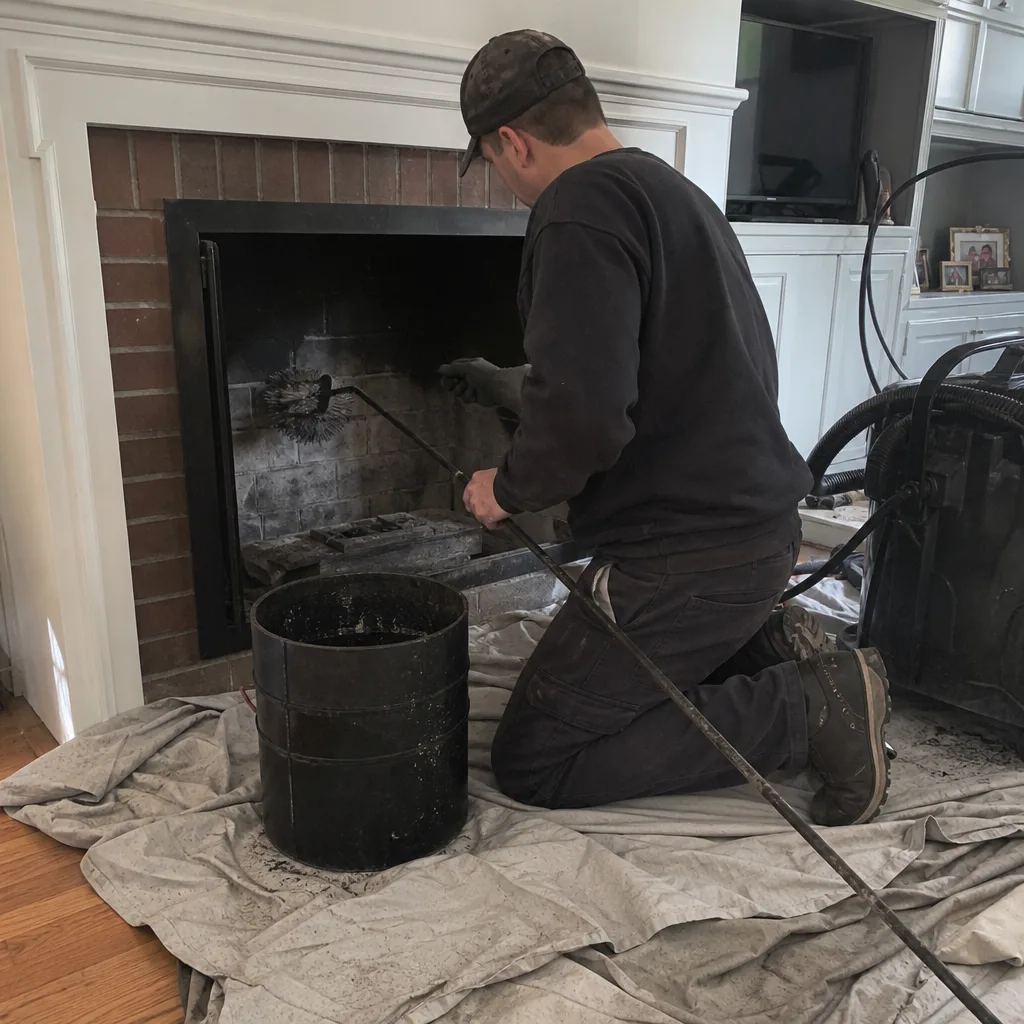
The National Fire Protection Association defines three inspection levels in NFPA 211, the standard adopted by Massachusetts building codes and referenced by Framingham’s fire prevention bureau. Most homeowners receive Level 1. For many Framingham properties, that’s a mistake.
Level 1: A visual examination of readily accessible portions of the chimney exterior, interior, and appliance connection. No tools, no ladder to the roof, no camera. Appropriate only when the system is unchanged, the appliance is the same, and no problems are suspected. In practice, this means almost never for a new homeowner, a property changing hands, or any system older than 10 years.
Level 2: Everything in Level 1, plus inspection of accessible attics, crawl spaces, and basements; camera scan of the flue interior; and examination of the chimney’s exterior from the roof or ladder. Required at sale or transfer of property, after chimney fire or weather event, upon change of appliance type or fuel, and - in our view - before every burning season for systems in Framingham’s older housing stock.
Level 3: Level 2 plus demolition of concealed construction as necessary to investigate suspected hazards. Required when Level 2 indicates a hidden problem that threatens safe operation.
Here’s why Level 1 fails Framingham homeowners specifically. The city’s housing inventory includes thousands of units built before 1950 with unlined or partially lined flues, oil-to-gas conversions performed without proper liner sizing, and masonry degraded by decades of freeze-thaw cycles. A Level 1 inspection cannot evaluate liner condition, cannot measure flue clearance to combustibles in concealed spaces, and cannot identify the spalling brick or deteriorated mortar that our wet winters accelerate. It is a surface check for a system that demands depth.
At Chimney Cleaning & Sweep in Framingham, we perform NFPA 211 Level 2 inspection as standard on every cleaning. The camera goes down the flue before the brush goes up. The findings are documented before any price is discussed. Clause 4 of the Haven Standard requires this; we established the practice in 2009, before insurers or regulators asked for it.
What a Camera Scan Actually Captures Versus a Flashlight Look
The difference between a flashlight inspection and a camera scan is the difference between guessing and knowing. We’ve documented both methods across 38,000+ inspections, and the failure rate of flashlight-only assessment is consistent: approximately 30% of flues rated “good” by flashlight show material defects on camera.
A flashlight at the firebox illuminates the first few feet of flue, angled upward. Shadows obscure liner joints. Soot coating hides hairline cracks. The smoke shelf, where debris accumulates and where many blockages form, is entirely invisible. What the flashlight cannot see:
- Liner cracks and spalling: Terracotta flue tiles crack vertically from thermal shock or settlement. A crack 1/16-inch wide is sufficient to allow flue gases into wall cavities. The camera captures this at full resolution; the flashlight misses it in shadow.
- Offset or separated joints: In masonry chimneys, flue tiles should align with 1/4-inch maximum offset. Greater misalignment creates turbulence that accelerates creosote buildup and can block the flue entirely. Only a camera at joint level reveals this.
- Blockages below the smoke shelf: Bird nests, collapsed liner fragments, and construction debris collect where the smoke chamber narrows. A flashlight pointed upward sees only the clear passage above; the camera, inserted past the damper, reveals what’s actually in the airway.
- Glazed or Stage 3 creosote: The hard, tar-like deposit that resists brushing requires chemical treatment or rotary removal. It appears as a glossy black coating that the camera’s light reflects distinctly from ordinary soot.
- Flue liner displacement: Metal liners can detach from the top plate or sag at mid-flue, creating gaps where combustion gases escape. This is invisible from below without camera verification.
In a 2022 inspection on Grant Street in Framingham’s Nobscot neighborhood, a flashlight inspection had cleared the flue for three consecutive years. Our camera found a detached terracotta liner section, 18 inches long, lodged at the smoke shelf. The gap above it allowed flue gases to vent directly into the chimney cavity for multiple burning seasons. The homeowner’s previous sweeps had never inserted a camera. They had never known.
The camera record we produce is dated, archived, and referenced on subsequent visits. Clause 4 of the Haven Standard requires this documentation not as a courtesy, but as a verifiable record of system condition over time. When you sell your Framingham home, when your insurer asks for proof of maintenance, when a dispute arises - the photo record is evidence. The verbal “all clear” is not.
What a Written Condition Report Should Contain
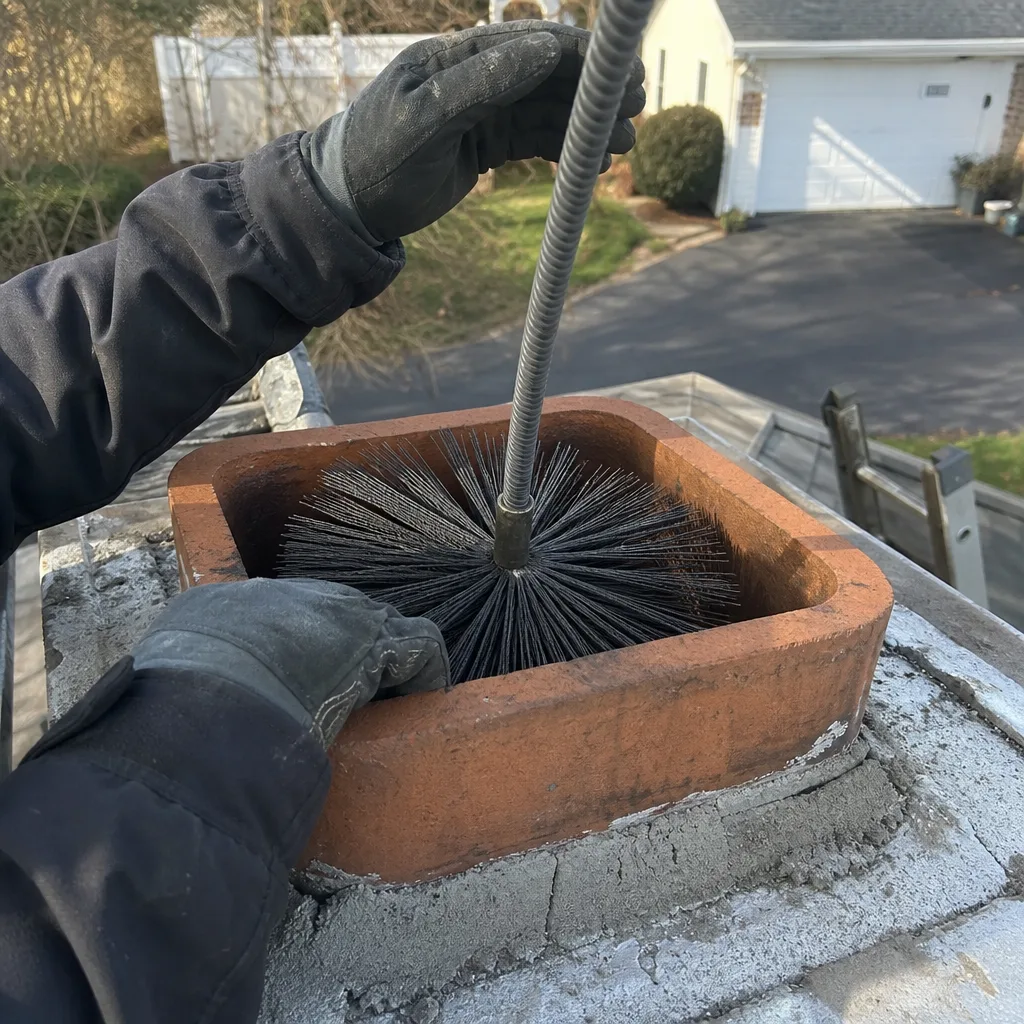
A verbal-only “pass” assessment creates a liability gap for homeowners. You have no record of what was found, no timestamp, no documentation for your insurer, and no basis to evaluate whether recommended work is necessary. The written condition report closes this gap. Here’s what it must include:
- Property and system identification: Address, appliance type, fuel, liner material and dimensions, and date of service. This seems obvious; we’ve reviewed competitor reports that omit the address.
- Pre-cleaning camera findings: Descriptions of liner condition, joint alignment, creosote class (Stage 1, 2, or 3), and any blockages or debris, with embedded or attached photographs.
- Post-cleaning verification: Confirmation that flue is clear to specification, with second-pass camera images showing clean liner walls.
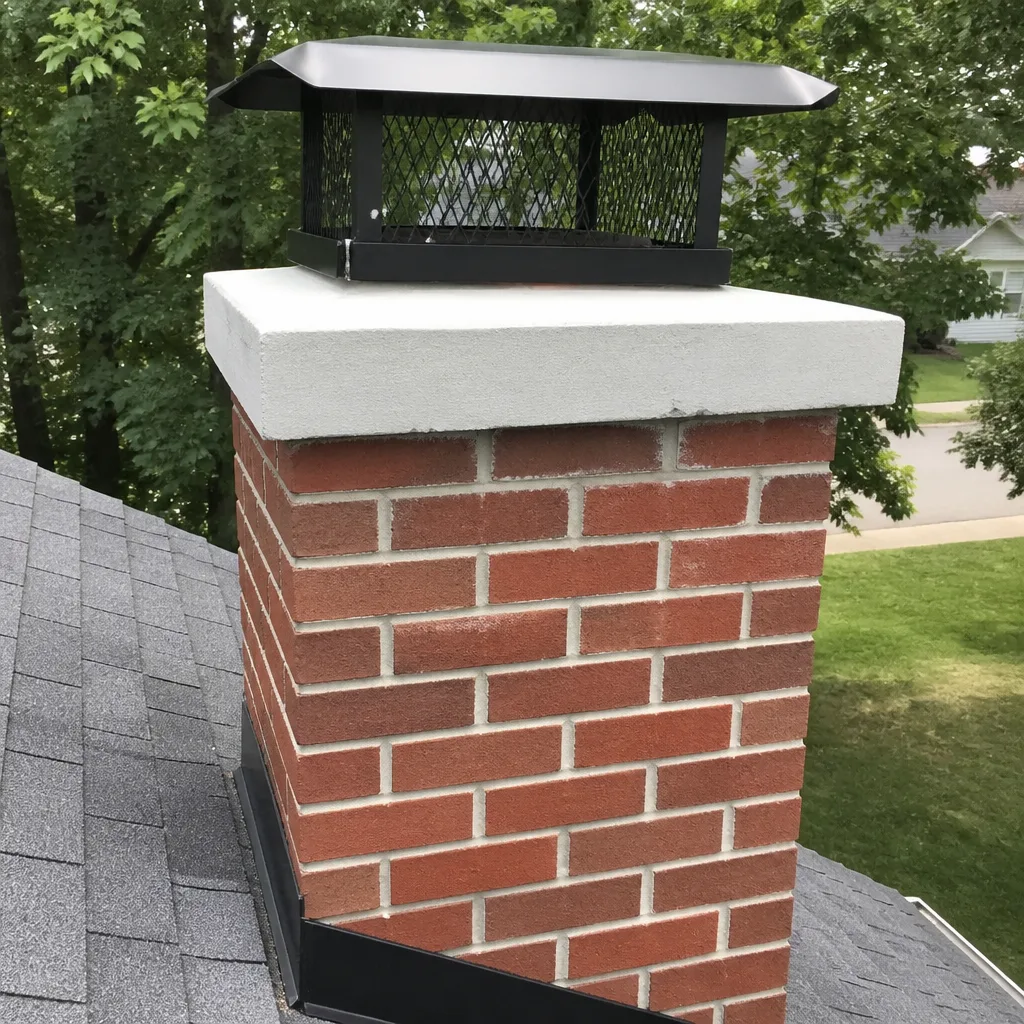
- Masonry and exterior assessment: Crown condition, cap presence and type, flashing integrity, and visible spalling or mortar deterioration. For Framingham homes with concrete crowns (common in 1960s-80s construction), note any cracking or pooling.
- Smoke chamber and firebox condition: Parging status, damper operation, and clearance to combustibles.
- Prioritized recommendations with codes cited: Any needed repair, with reference to NFPA 211 or applicable building code sections. Each recommendation should state: the problem, the code basis, the consequence of deferral, and the proposed remedy.
- Written price for any recommended work: Not an estimate range, not “call for quote.” A specific dollar amount, with scope detailed, under Haven Standard Clause 1.
- Technician identification and license: Name and license number of the inspecting technician, for accountability.
- Archival reference: Job number for future retrieval of photos and records.
The report should be delivered before any additional work begins. Not after the tech is in your home. Not after you’ve agreed to “just fix it while you’re here.” Clause 1 of the Haven Standard - H.A.V.E.N., “Have it in writing” - requires a written price, written scope, and written warranty before work starts. This protects you from scope creep and gives you time to obtain a second opinion if desired. We offer free second opinions on any competitor’s written estimate; bring us their report and we’ll review it against what our camera found.
Our documented photo records, maintained since 2009, have resolved insurance claims, supported real estate transactions, and identified deteriorating conditions before they became hazardous. The report is not paperwork. It is the product.
Framingham-Specific Risk Factors: Age, Conversions, and Climate
Framingham’s chimney problems are not generic. They reflect specific local conditions: housing stock age, conversion history, and climate patterns that accelerate masonry degradation.
Triple-decker and pre-war stock: Neighborhoods like Downtown Framingham, Saxonville, and sections of South Framingham contain thousands of wood-framed multi-families built 1880-1930. Original chimneys were often unlined brick serving coal or oil appliances. When converted to gas or retrofitted with wood stoves, many never received proper liner installation. The result: oversized flues, improper draft, and condensation damage that a Level 1 inspection cannot assess. We’ve found unlined flues still in active use on Second Street and Beaver Street, with homeowners unaware that their “inspection” never verified liner presence.
Oil-to-gas conversions: Framingham, like many Massachusetts cities, saw widespread oil-to-gas conversions in the 1990s and 2000s. Gas appliances require smaller flue diameters and produce wetter exhaust that condenses in oversized masonry flues. Without proper liner sizing - typically a flexible stainless liner from Olympia Chimney or DuraFlex, properly insulated - the flue deteriorates from the inside. The exterior brick looks fine. The interior is dissolving. Only a camera reveals this.
Wet winters and freeze-thaw cycles: Framingham averages 48 inches of annual precipitation, with temperatures cycling above and below freezing repeatedly through December to March. Water penetrates crown cracks and mortar joints, freezes, expands, and spalls the brick face. By spring, the chimney exterior shows damage that began internally two or three winters prior. A camera inspection in autumn, before the freeze-thaw season, identifies water entry points while they’re still repairable. Wait for visible exterior damage, and you’re often looking at partial rebuild.
Proximity to Route 9 commercial corridors: Homes near major roadways accumulate slightly higher particulate loading in flues, particularly if the home has older masonry with minor leakage. This accelerates glaze formation in wood-burning systems.
Local code and enforcement context: Framingham enforces the Massachusetts State Building Code, which adopts NFPA 211 by reference. The Framingham Fire Department conducts periodic chimney fire cause investigations; their reports consistently cite lack of inspection documentation as a contributing factor in insurance disputes. A written Level 2 report with photo record satisfies both safety and documentation requirements.
What to Expect at Every Stage: From Scheduling to Documented Close-Out
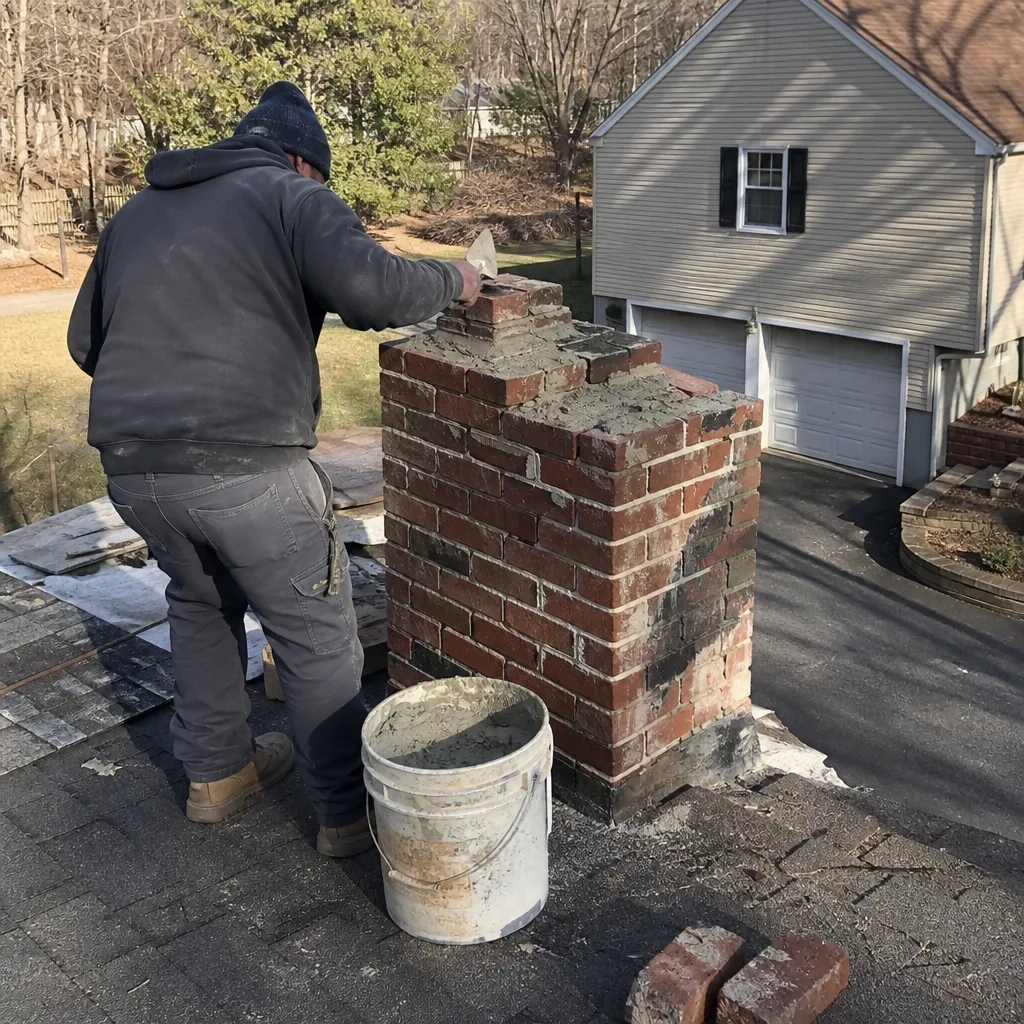
We’ve structured our service delivery under the Haven Standard to eliminate uncertainty at each stage. Here’s what happens when you schedule chimney cleaning in Framingham:
1. Scheduling and confirmation
Call (508) 850-0489. A live person answers, 24 hours a day. We don’t use voicemail for booking. You’ll receive a text confirmation with your appointment window, technician name, and license number. Another text arrives when your technician departs the prior job, with an ETA. This is H.A.V.E.N. “Arrive on schedule” and “Verified crews” - background-checked, uniformed technicians, not subcontracted labor.
2. Arrival and preliminary assessment
Your technician arrives in a marked vehicle, introduces themselves, and conducts a brief exterior and interior walkthrough. They confirm appliance type, fuel, any known problems, and your service history. They lay protective coverings and set up HEPA-contained vacuum equipment.
3. Pre-cleaning camera inspection
Before any brush enters the flue, the camera goes down. Your technician narrates findings in real time; you’re welcome to observe the monitor. This establishes baseline condition and identifies any damage that sweeping could aggravate. If a cracked liner or major blockage is found, we stop and discuss before proceeding.
4. Mechanical sweeping and debris extraction
The appropriate tools are selected based on flue material and deposit type. For standard Stage 1 creosote in a masonry flue, this means polypropylene or steel brushes on rods, with powered whipping for stubborn deposits. For metal liners, softer brushes prevent scoring. Stage 3 glazed creosote may require chemical pretreatment and rotary removal, scheduled as a separate service if discovered.
5. Smoke chamber and firebox cleaning
The area above the damper is brushed and vacuumed. The damper is removed if accessible, cleaned, and tested for proper operation. The firebox is brushed free of ash and debris.
6. Post-cleaning camera verification
The camera descends again to confirm complete cleaning and verify no new damage. Images are captured for the record.
7. Exterior assessment
Your technician examines the crown, cap, flashing, and visible masonry from ground, ladder, or roof as accessibility permits. Conditions are documented with photographs.
8. Written report delivery and pricing
Before any additional work is discussed, you receive the written condition report with findings, photos, and - if repair is recommended - a specific written price with scope detailed. This is Clause 1 of the Haven Standard: “Have it in writing.” No verbal estimates. No “it’ll be around…” ranges.
9. Work authorization and completion
If you authorize additional work, it’s performed under the same documentation standard. Upon completion, you receive a final record with before/after photos, work performed, materials used (sourced through our buying network from suppliers like Famco and Copperfield to maintain honest pricing), and warranty terms.
10. Archival and follow-up
Your record is archived by job number. We contact you before the next burning season to schedule follow-up service. The 365-Day Done Right Promise applies: if anything we’ve done requires correction, we make it right.
Chimney Cleaning Cost in Framingham: A Line-Item Breakdown
We publish pricing because “call for a quote” wastes your time and invites bait-and-switch. Here’s what chimney cleaning costs in the Framingham market:
| Service | Price Range | What Affects Cost |
|---|---|---|
| Standard chimney sweep with NFPA 211 Level 2 inspection (gas/oil appliance) | $189 – $249 | Flue height, accessibility, appliance type |
| Standard chimney sweep with NFPA 211 Level 2 inspection (wood-burning fireplace or insert) | $229 – $349 | Creosote stage, insert removal required, flue diameter |
| Stage 3 glazed creosote removal (chemical + rotary) | $450 – $750 | Extent of glazing, flue length, number of treatments |
| Smoke chamber parge coating repair | $800 – $1,400 | Chamber size, access difficulty, material specification |
| Stainless steel liner inspection with video (standalone, no sweep) | $199 – $279 | Liner length, number of appliance connections |
| Chimney cap installation (standard stainless) | $285 – $450 | Flue count, cap type, existing damage |
Factors that increase cost in Framingham specifically:
- Tall flues in triple-deckers: Three-story structures on streets like Waverly Street or Hollis Street require additional rods and time.
- Insert removal: Wood-burning inserts must be extracted to access the flue; labor adds $75-$150.
- Heavy glazed creosote: Framingham homeowners who burn unseasoned wood or use the fireplace as primary heat develop Stage 3 deposits requiring chemical pretreatment.
- Spalling masonry requiring crown repair: Often discovered during cleaning; addressed separately with written price.
Every price is confirmed in writing before work begins. Estimates are free. Call (508) 850-0489 for exact pricing for your system.
Common Mistakes to Avoid
- Hiring based on lowest price without verifying inspection level. A $99 “sweep special” that includes only Level 1 visual inspection misses the conditions that cause chimney fires. Verify camera inspection is included.
- Accepting verbal-only assessments. Without written documentation, you have no recourse if problems emerge later, and no evidence for insurance or real estate transactions.
- Assuming a new liner solves everything. Improperly sized liners, common in Framingham oil-to-gas conversions, can worsen draft problems. Verify liner sizing against appliance BTU output and flue height.
- Burning unseasoned wood. Wood with moisture content above 20% produces acidic smoke that accelerates flue deterioration and creates glazed creosote. Framingham’s humid summers make proper seasoning difficult; buy from reputable suppliers or use a moisture meter.
- Skipping annual service because “we barely use it.” Even minimal use produces condensation and corrosion, particularly in gas systems. Annual inspection catches deterioration before it becomes hazardous.
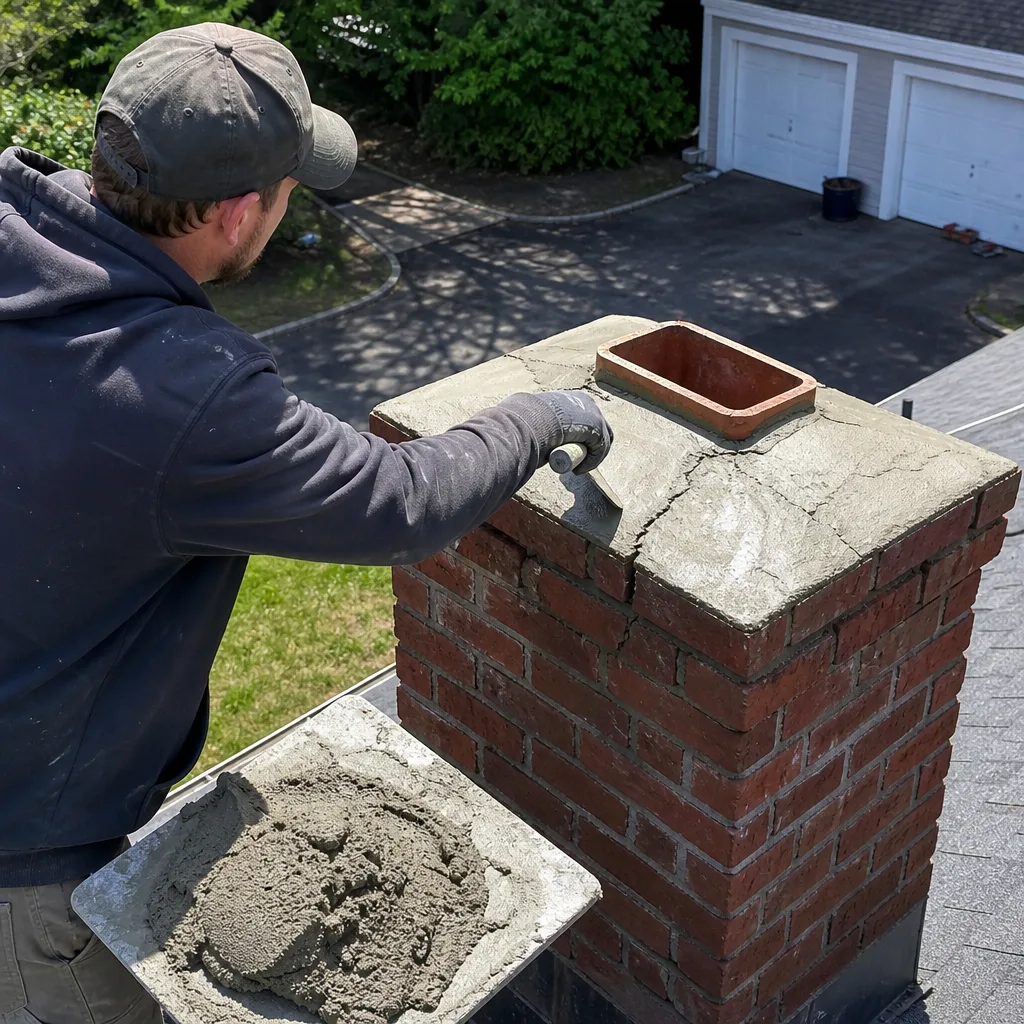
- Ignoring exterior masonry until visible damage appears. By the time spalling is visible from the ground, water intrusion has typically compromised interior flue walls. Camera inspection identifies this earlier.
- Using the chimney as a vent for multiple appliances without proper sizing. Common in older Framingham homes; violates NFPA 211 and creates dangerous draft interactions.
When to Call a Professional
Schedule professional service before the first burn of each season, without exception. Beyond routine maintenance, call immediately if you notice: smoke entering the living space, a strong tar odor when the fireplace is not in use, visible creosote flakes in the firebox, white efflorescence on exterior brick (indicating water saturation), or any change in draft performance after weather events.
After a chimney fire - indicated by loud cracking, dense smoke, or a roaring sound in the flue - do not use the system until a Level 2 inspection is performed. The fire may have cracked the liner or damaged surrounding structure in ways invisible from below.
If you’re purchasing a home in Framingham, make Level 2 inspection with written report a contingency of sale. We’ve identified $8,000-$15,000 in needed chimney work on properties where the general inspection cleared the chimney as “functional.” The general inspector’s flashlight look is not sufficient.
Chimney Repair in Framingham addresses structural issues; Fireplace Services in Framingham covers appliance-specific needs. For complete evaluation and cleaning, Level Two Chimney Framingham offers free estimates in Framingham - call (508) 850-0489.
Frequently Asked Questions
A standard chimney sweep with NFPA 211 Level 2 camera inspection costs $189-$249 for gas or oil appliances and $229-$349 for wood-burning systems in the Framingham market. Heavy glazed creosote, insert removal, or tall flues in triple-decker housing may increase cost. We provide exact written pricing before any work begins - call (508) 850-0489 for a free estimate.
NFPA 211 recommends annual inspection for all chimney systems, with cleaning frequency determined by use and deposit accumulation. Wood-burning systems typically require annual sweeping; gas and oil systems may extend to every 1-2 years if inspection shows minimal buildup. Framingham’s wet climate and older housing stock make annual Level 2 inspection particularly important for identifying water damage and liner deterioration before the burning season. Call (508) 850-0489 to schedule.
You should never accept a liner recommendation without camera evidence you can see for yourself. A proper Level 2 inspection shows liner cracks, gaps, or corrosion in real-time video; the technician should explain what you’re seeing and reference applicable code sections. At Level Two Chimney Framingham, we provide the camera record and written condition report before discussing any repair, and we’ll clearly state when work can safely wait versus when it presents immediate hazard. Our free second opinion service lets you bring any competitor’s written estimate for independent review. Call (508) 850-0489.
Skipped maintenance allows creosote accumulation, which restricts flue airflow and provides fuel for chimney fires. In masonry systems, acidic condensation from gas and oil appliances degrades mortar and liner tiles, eventually compromising structural integrity. Water intrusion accelerates spalling and freeze-thaw damage, particularly in Framingham’s climate. The result is not sudden catastrophic failure but progressive degradation that becomes exponentially more expensive to repair. Annual service catches conditions when they’re manageable. Call (508) 850-0489 to schedule before the burning season.
A chimney sweep is the mechanical cleaning process - removing deposits and debris. A chimney inspection is the systematic evaluation of system condition. They are distinct services, though proper providers perform inspection before and after sweeping. The NFPA 211 Level 2 inspection includes camera scan, accessible area examination, and written documentation; a “sweep” without this inspection level is incomplete. At Level Two Chimney Framingham, every cleaning includes Level 2 inspection as standard under Haven Standard Clause 4.
We do not recommend DIY chimney cleaning. The mechanical brushing is straightforward; the critical component is condition assessment, which requires camera equipment, training in defect recognition, and knowledge of applicable codes. More importantly, chimney work involves genuine hazards: falls from roof or ladder, exposure to carcinogenic creosote, and disturbance of damaged liners that may release flue gases into living spaces. A trained professional identifies conditions that make the system unsafe to use, not merely dirty. For your safety and proper documentation, hire a licensed technician. Call (508) 850-0489 for service.
The Bottom Line
A complete chimney cleaning in Framingham produces three things: a camera record of flue condition, a written report with findings and recommendations, and a price confirmed in writing before work begins. Anything less - a flashlight look, a verbal “all clear,” a brush run without documentation - leaves you with uncertainty that becomes liability. Framingham’s older housing, conversion history, and wet climate create specific risks that only Level 2 inspection reliably identifies. The 25% of chimney fires that occur in “recently cleaned” systems are not failures of cleaning; they’re failures of inspection. We established camera-scan documentation as standard practice in 2009 because the gap between what a brush removes and what a camera reveals is where safety lives or dies. Get the record. Get it in writing. Then burn with confidence.
Written by Corrine Halstead, Owner at Level Two Chimney Framingham, serving Framingham since 2009.