
Last updated September 22, 2026
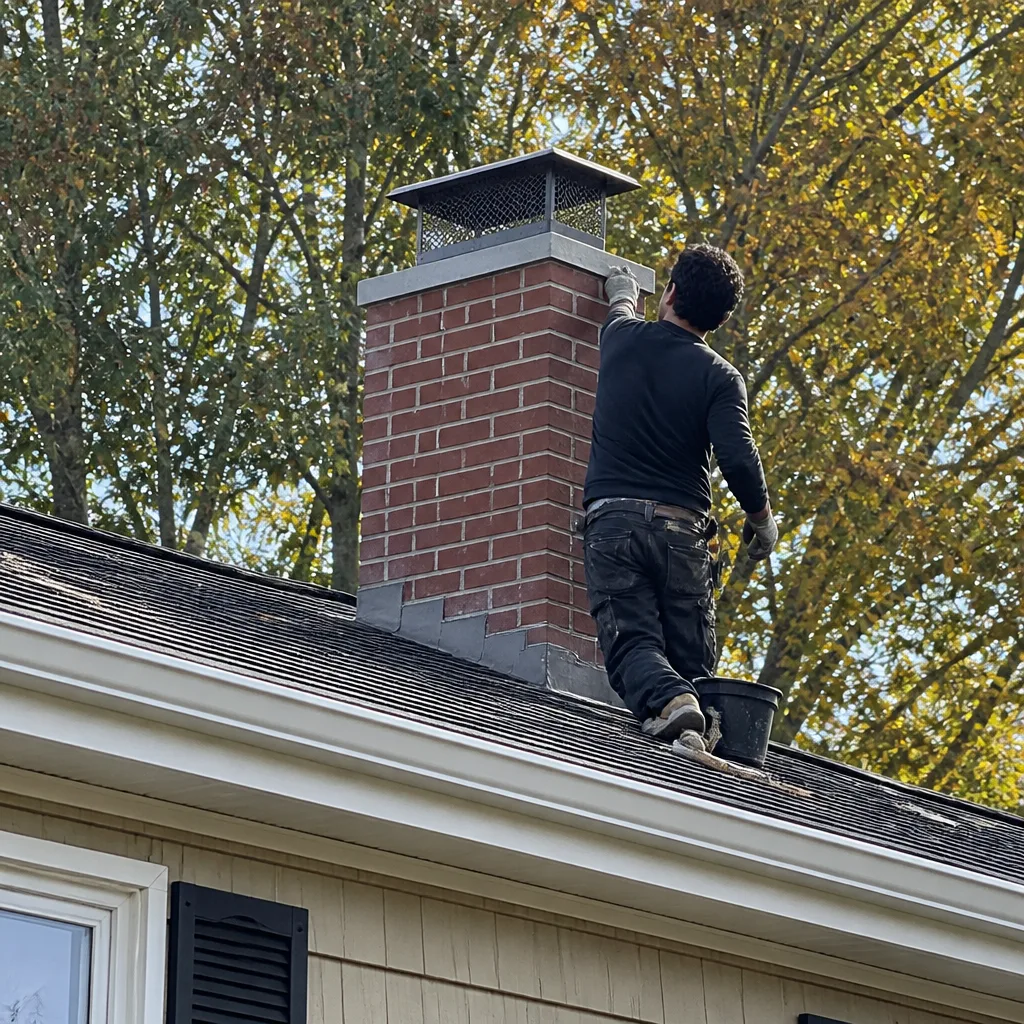
Level 1 sweep and inspection to the NFPA 211 annual standard - flue, crown, cap, and flashing checked and photographed
Chimney sweep logs do not sweep chimneys. They loosen some creosote - which then falls where a brush and vacuum still have to collect it.
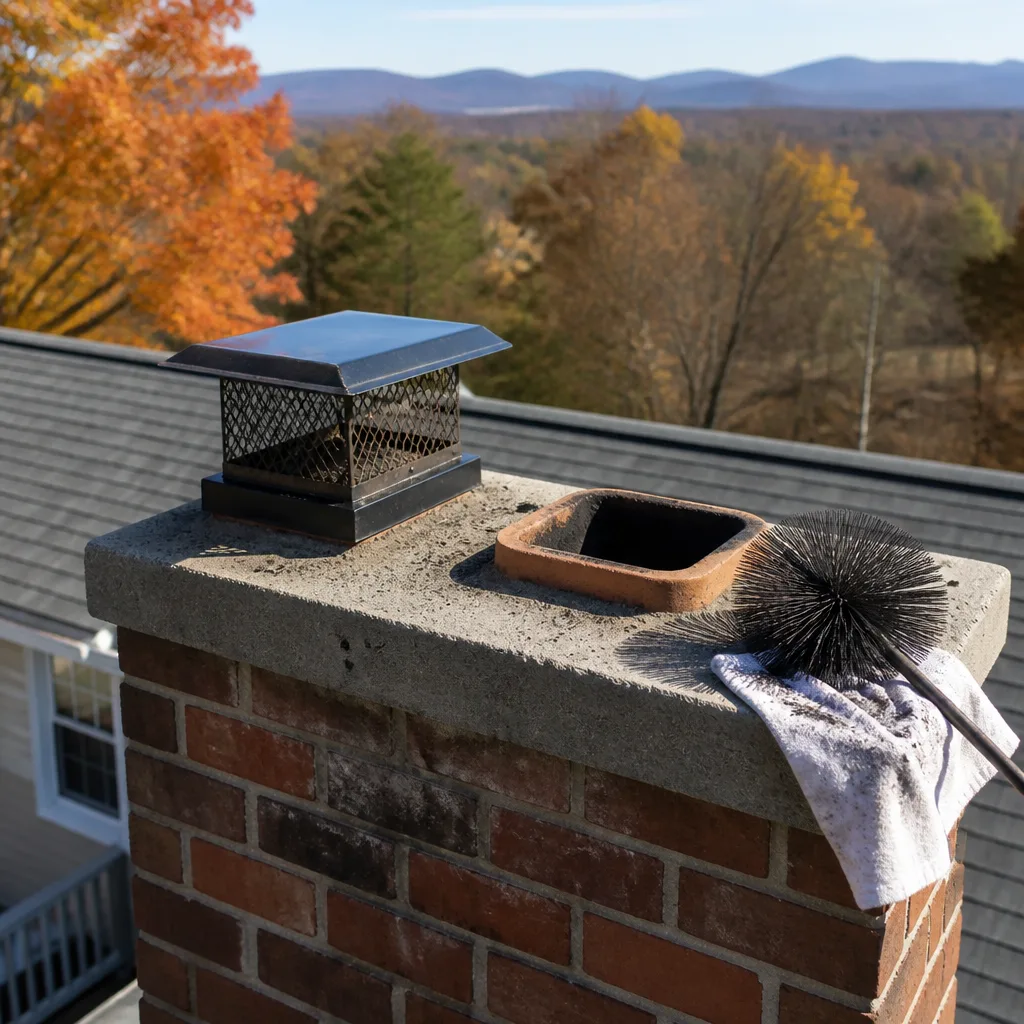
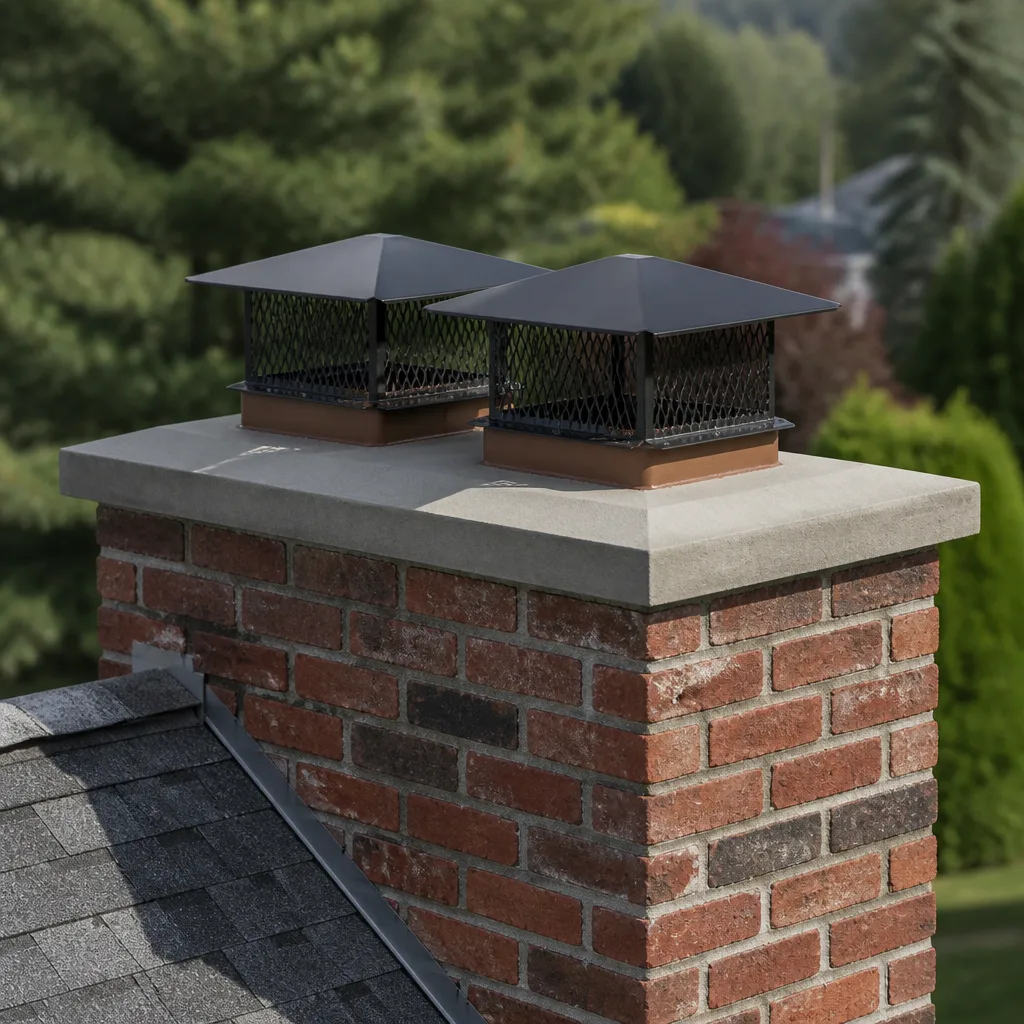
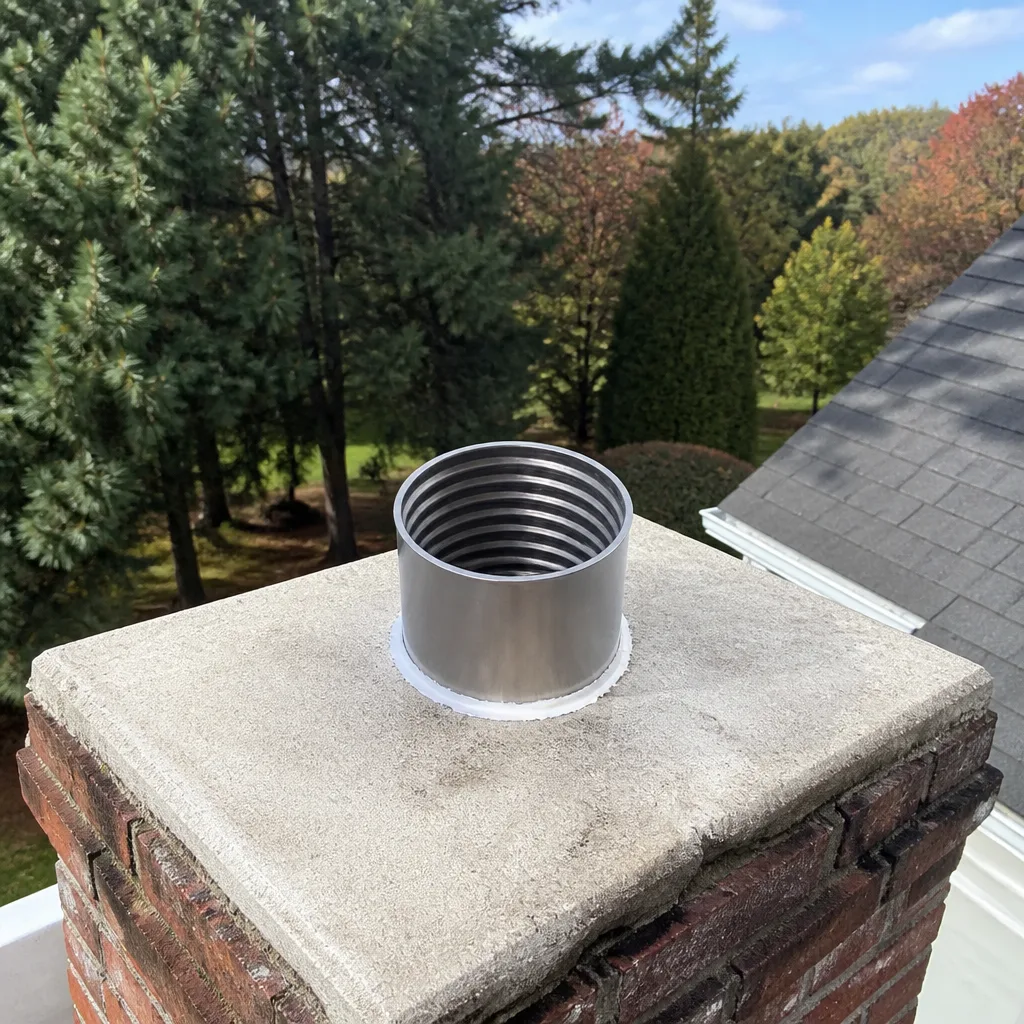
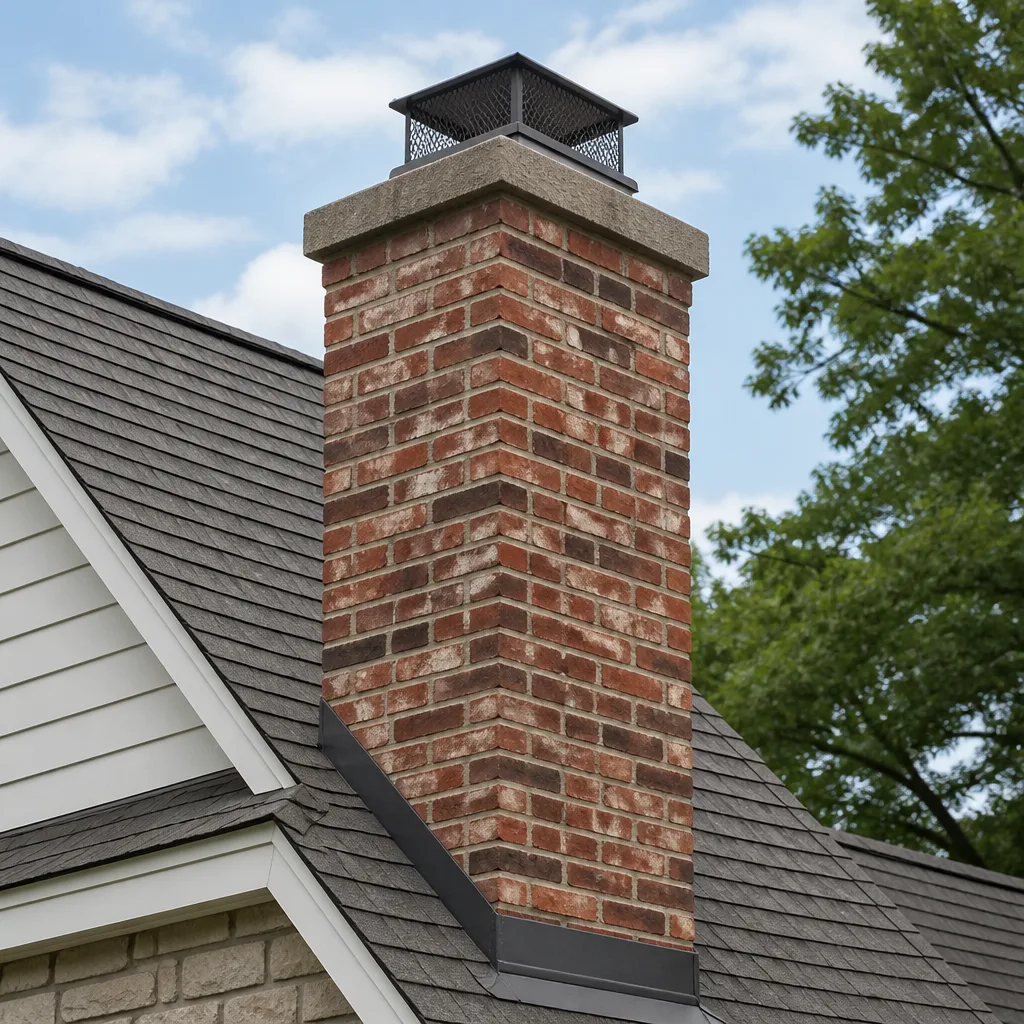
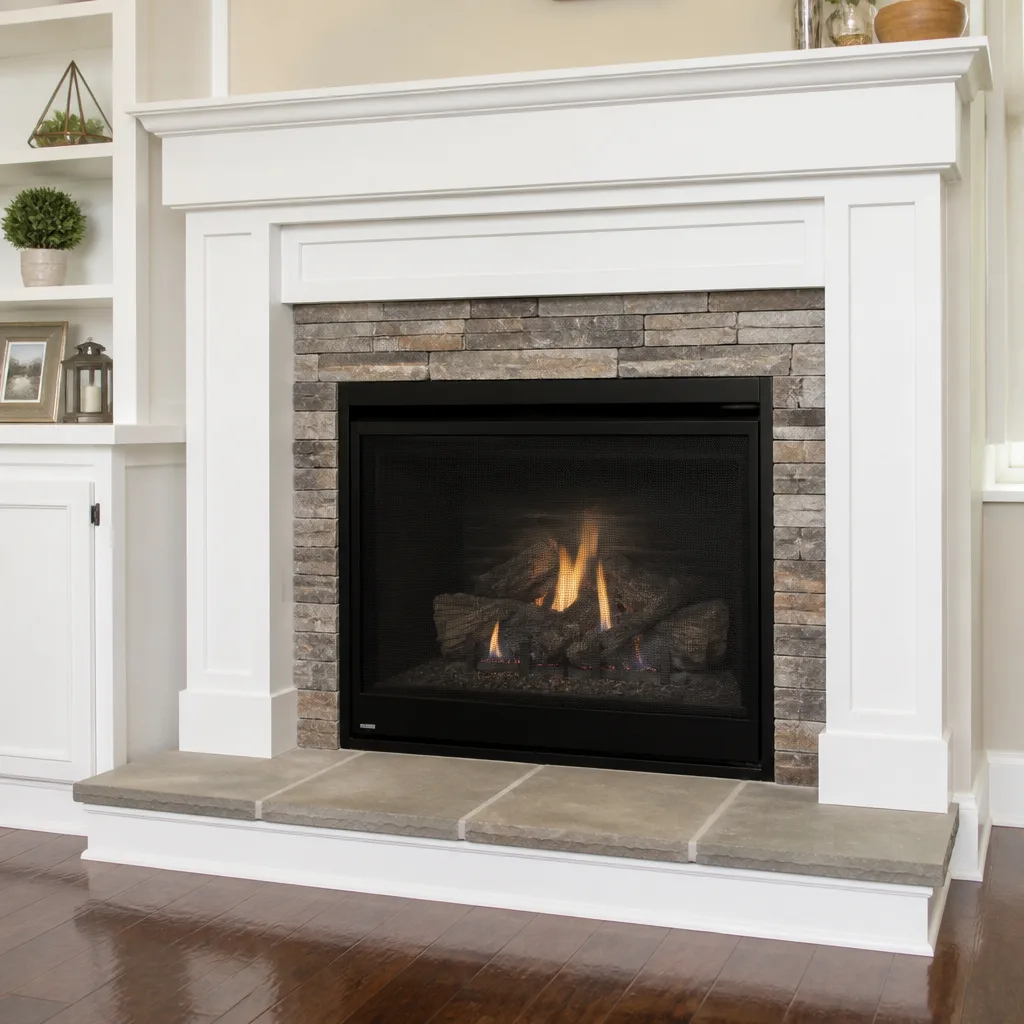
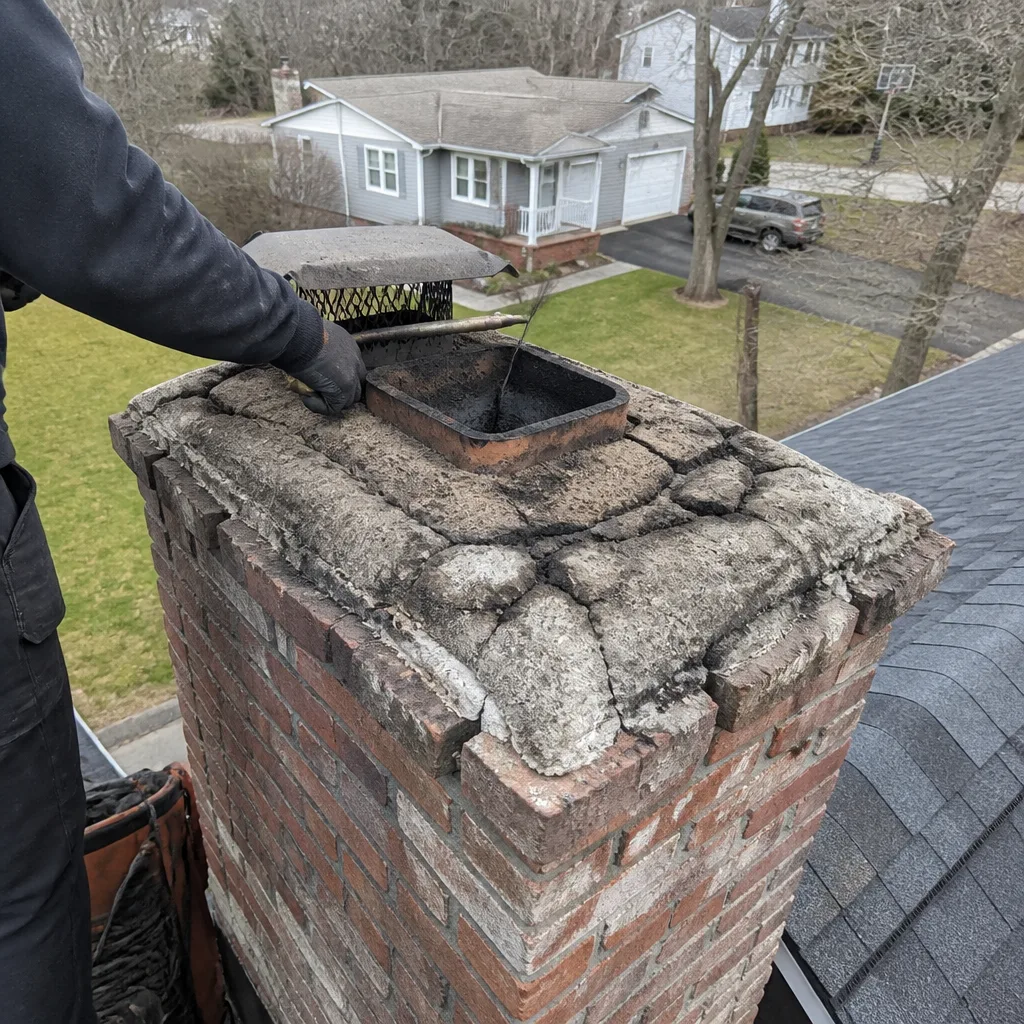 Before
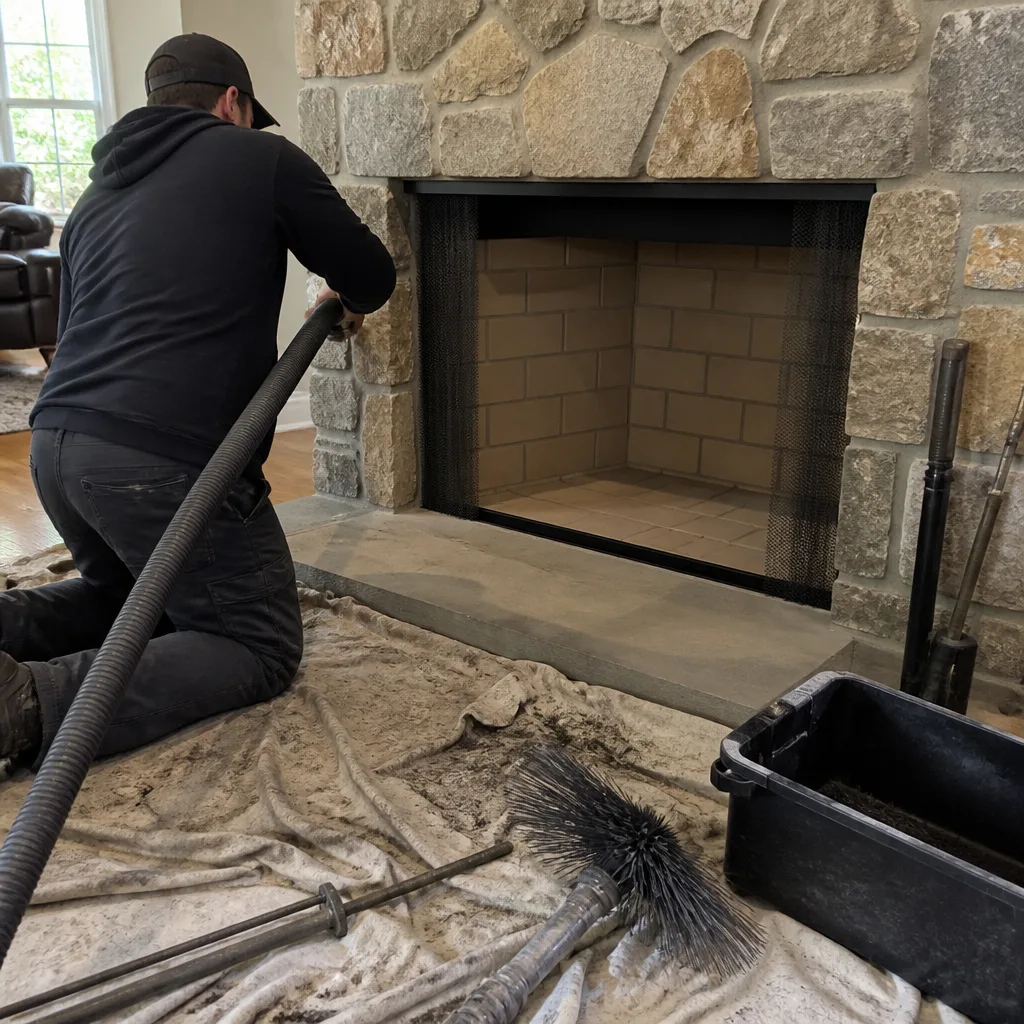 After
After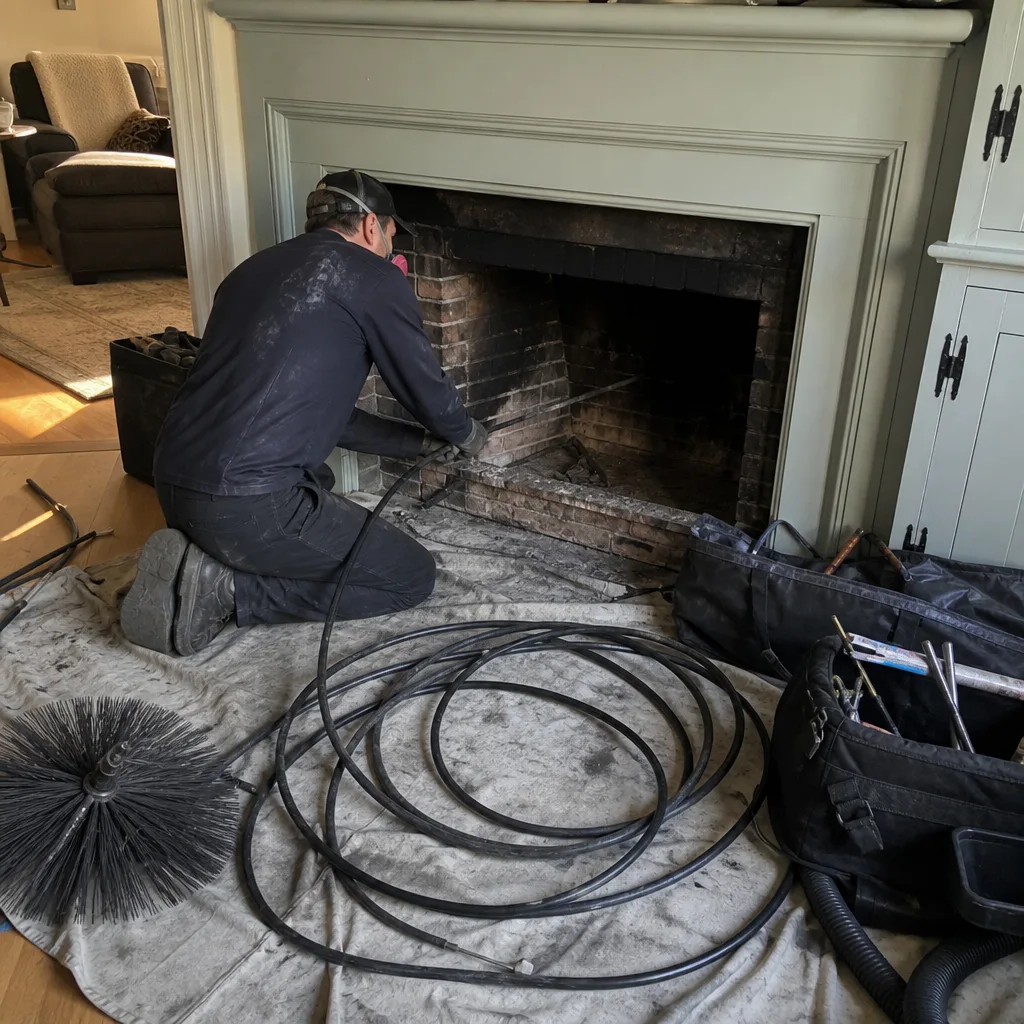 Before
 After
After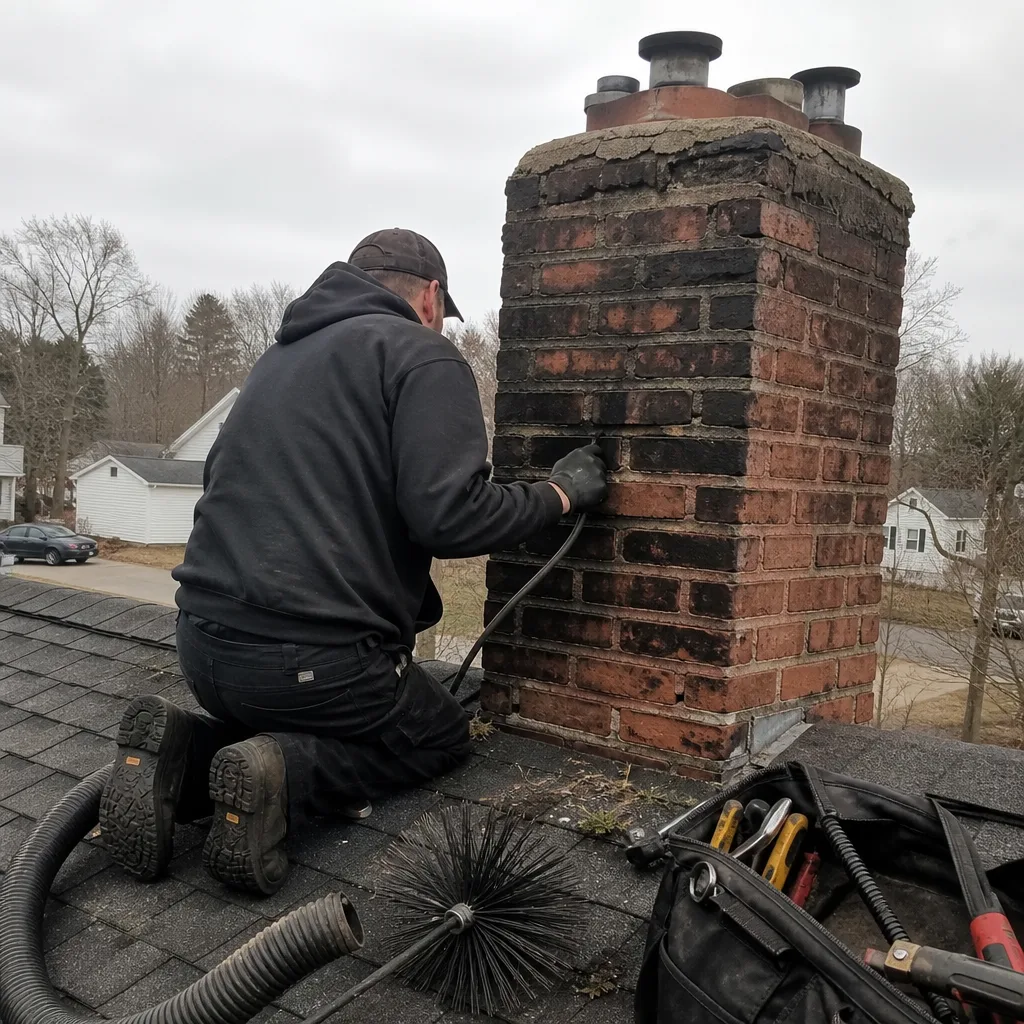 Before
 After
AfterDIY vs Professional Chimney Cleaning: The Framingham Homeowner’s Decision Guide
A chimney brush and rod kit costs about $60 and removes loose soot competently. It cannot tell you whether the tile liner behind that soot has a crack routing carbon monoxide toward your second floor. In Framingham, where roughly half the housing stock was built before 1980 and many flues have never had a camera inspection, the question isn’t whether you can push a brush up a flue. It’s whether doing so gives you enough information to sleep soundly. This guide walks through what DIY chimney cleaning actually accomplishes, what it cannot do, and how to decide which path fits your specific home.
Quick Answer
DIY chimney brushing removes surface soot and light creosote from accessible flue sections but cannot assess liner integrity, detect hidden blockages, or produce documentation for insurance or real estate purposes. For most Framingham homes built before 1980, or any home without a prior camera inspection, hiring a chimney cleaning contractor for professional service with NFPA 211 Level 2 documentation is the safer and more financially protective choice.
Table of Contents
- What DIY Chimney Cleaning Actually Accomplishes
- The Equipment List and Real Costs
- What DIY Cleaning Cannot Do: The Hidden Gaps
- Framingham Home Profiles: When DIY Is Acceptable vs. a Liability
- What Professional Cleaning Includes in Framingham
- The Documentation Gap: Why It Matters for Insurance and Resale
- Cost Comparison: DIY vs. Professional in the Framingham Market
- Common Mistakes to Avoid
- When to Call a Professional
- Frequently Asked Questions
 Before
 After
AfterWhat DIY Chimney Cleaning Actually Accomplishes
DIY chimney cleaning, properly executed, removes loose particulate matter from the flue walls. A homeowner with the right brush diameter, sufficient rod length, and basic protective equipment can knock down flaky soot and light, powdery creosote. This is not nothing. In a well-maintained system with confirmed liner integrity, regular brushing extends the interval between professional cleanings and keeps the flue passage open.
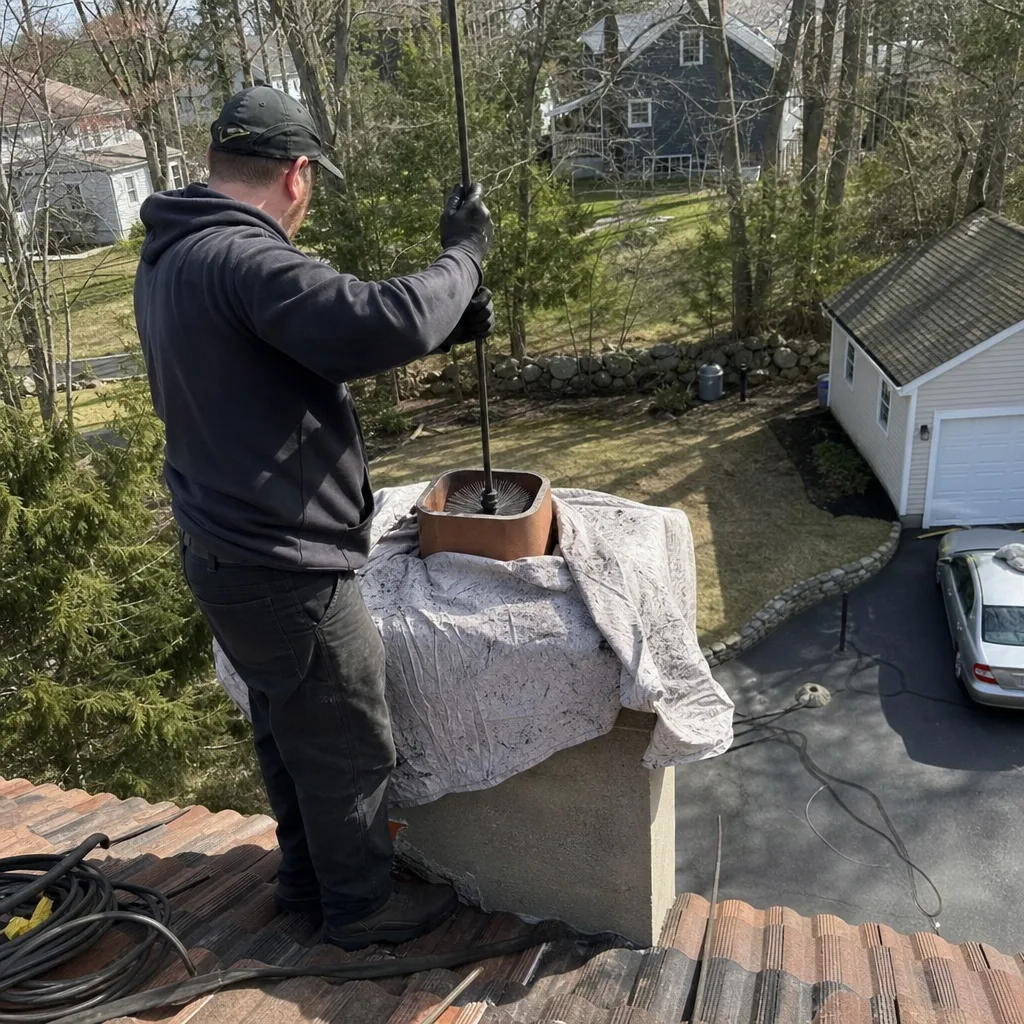
The process is straightforward mechanically. You assemble polypropylene or wire brushes to match your flue diameter, typically 6 to 8 inches for residential wood-burning systems. You attach extension rods, usually fiberglass or nylon, and push the assembly up from the firebox or down from the roof, depending on access. You rotate the brush to scrub the flue walls, adding rods until you’ve covered the full length. You collect the debris with a HEPA vacuum or, less effectively, a shop vac with fine filtration.
What this achieves: removal of Class I creosote, the fluffy, sooty deposit that accumulates from dry, seasoned hardwood burned at adequate temperatures. In Framingham’s climate, where heating degree days run high from November through March, seasonal chimney care matters because a frequently used wood stove or fireplace can produce significant Class I buildup in a single season. Brushing this out reduces fuel for a chimney fire and improves draft efficiency.
What this does not achieve: removal of Class II or Class III creosote, the tarry or hardened glaze deposits that require chemical treatment, mechanical scraping, or rotary cleaning systems. It does not address the smoke chamber, the area above the firebox and below the flue throat, where creosote often accumulates heavily and where access is awkward without specialized tools. It does not inspect the flue liner for cracks, spalling, or displacement. It does not evaluate the chimney crown, cap, flashing, or exterior masonry for water intrusion, which in Framingham’s freeze-thaw cycle is a primary cause of structural deterioration.
The honest assessment: DIY brushing is maintenance for a system already known to be sound. It is not a substitute for diagnostic evaluation.
The Equipment List and Real Costs
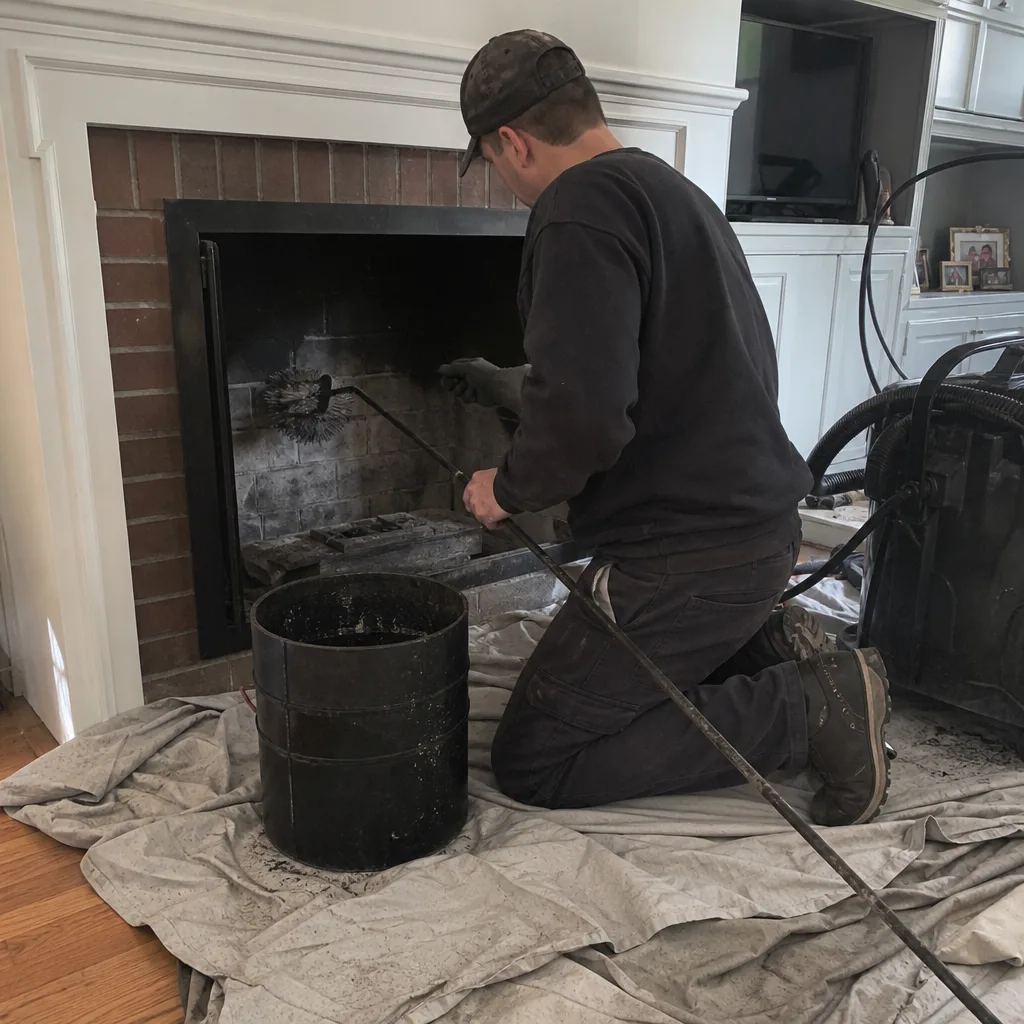
A responsible DIY sweep requires more than a $25 brush from a hardware store. Here is what we have seen homeowners actually need to do the job without making a mess or missing critical steps.
- Flue-matched brush and rods: $45-$85. The brush must match your flue diameter exactly. Oval or rectangular flues require custom brushes. Rods must reach the full flue height; a two-story Framingham colonial with a basement fireplace needs 25-30 feet of rod.
- HEPA vacuum or fine-filtration shop vac: $150-$400 rental or purchase. Standard shop vacs exhaust fine particulate back into the room. Creosote particles are carcinogenic and respiratory irritants.
- Drop cloths and sealing materials: $30-$50. Plastic sheeting, painter’s tape, and a sealed connection to the fireplace opening to prevent soot migration into the living space.
- Inspection mirror and bright flashlight: $25-$40. For visual assessment of the firebox, damper, and accessible flue sections from below.
- Personal protective equipment: $30-$60. N95 or P100 respirator, goggles, gloves, and disposable coveralls.
- Creosote remover or chemical treatment (if glazed deposits present): $20-$40. Powders or sprays applied before burning hot fires to break down glaze; effectiveness varies and multiple applications are often needed.
Total responsible DIY investment: $300-$675 for first-time setup, $60-$125 for subsequent years if equipment is owned. This assumes the homeowner already owns a stable ladder adequate for roof access, which many do not.
Rental equipment is available in Framingham through several hardware suppliers, though brush diameter selection is often limited. We have encountered homeowners who rented a 7-inch brush for an 8-inch flue, accomplishing little more than pushing soot around the perimeter.
What DIY Cleaning Cannot Do: The Hidden Gaps
The gaps in DIY cleaning are not minor oversights. They are structural limitations that leave critical conditions undetected.
Liner integrity assessment: Clay tile liners, standard in Framingham homes built before 1990, crack from thermal shock, settling, or freeze-thaw damage. A crack can be hairline and invisible from the firebox or roof. It can vent combustion gases into wall cavities or living spaces. Only a camera lowered the full flue length, rotated to view all surfaces, reveals this. We have found cracked liners in homes where the homeowner had brushed annually for a decade, never knowing.
Smoke chamber evaluation: The smoke chamber, the inverted funnel above the firebox, is where many chimney fires originate. It is difficult to access and impossible to evaluate adequately without a light and camera. Parging, the smooth refractory coating, degrades over time. Corbelled brick steps create turbulence and creosote accumulation. A brush rod passing through tells you nothing about chamber condition.
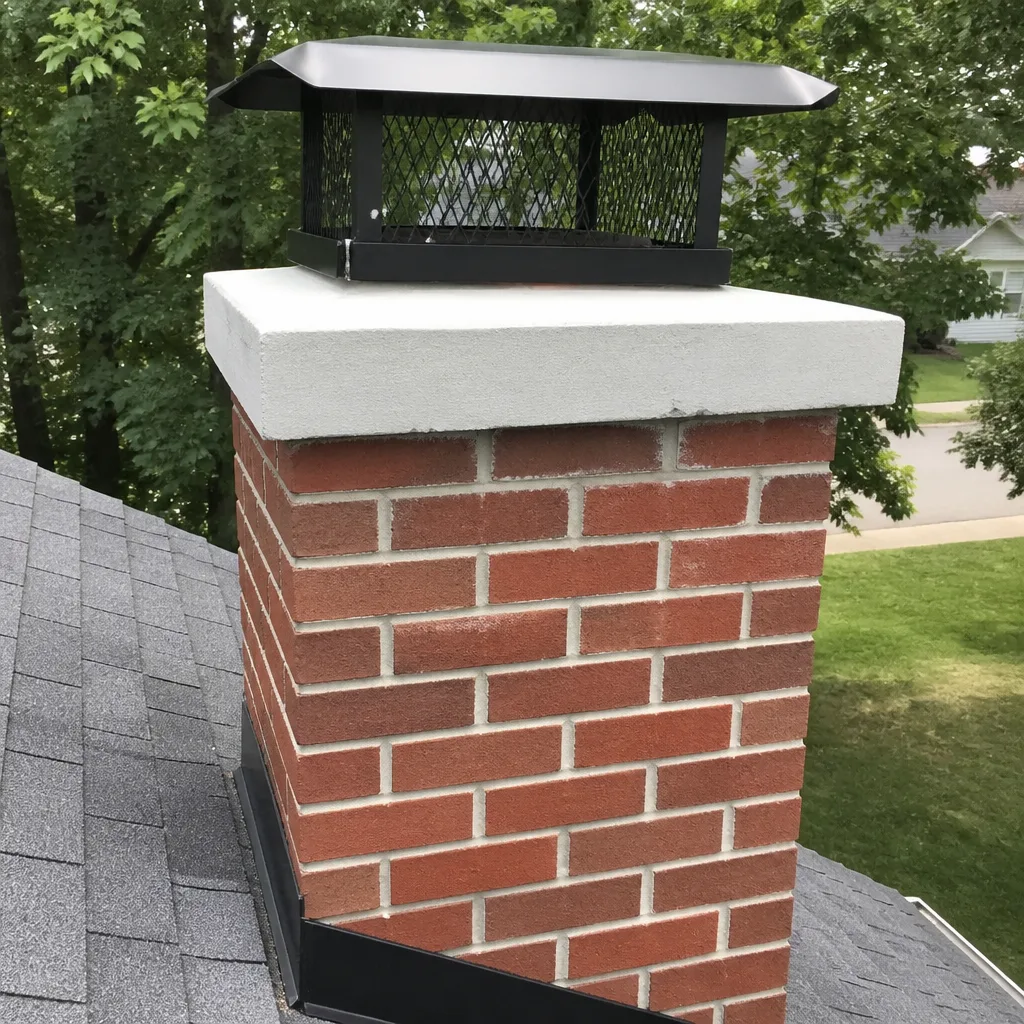
Cap, crown, and exterior assessment: Water is the enemy of chimney longevity in New England. A deteriorated crown, failed flashing, or missing cap admits moisture that spalls brick, rusts metal components, and destroys liners. These conditions are evaluated from the roof and require knowledge of what deterioration looks like at early stages, before visible interior damage occurs.
Connector pipe and appliance evaluation: Wood stove installations involve connector pipes, clearances to combustibles, and thimble conditions. DIY brushing of the chimney does not address whether the stovepipe is properly secured, whether clearances meet code, or whether the thimble is intact. In Framingham, where many homeowners have inherited wood stove installations from previous owners, these conditions are frequently substandard.
Combustion analysis: Professional evaluation includes assessment of the heating appliance’s draft performance, which affects both safety and efficiency. Poor draft causes creosote formation, smoke spillage, and carbon monoxide risk. No brush kit measures draft.
Framingham Home Profiles: When DIY Is Acceptable vs. a Liability
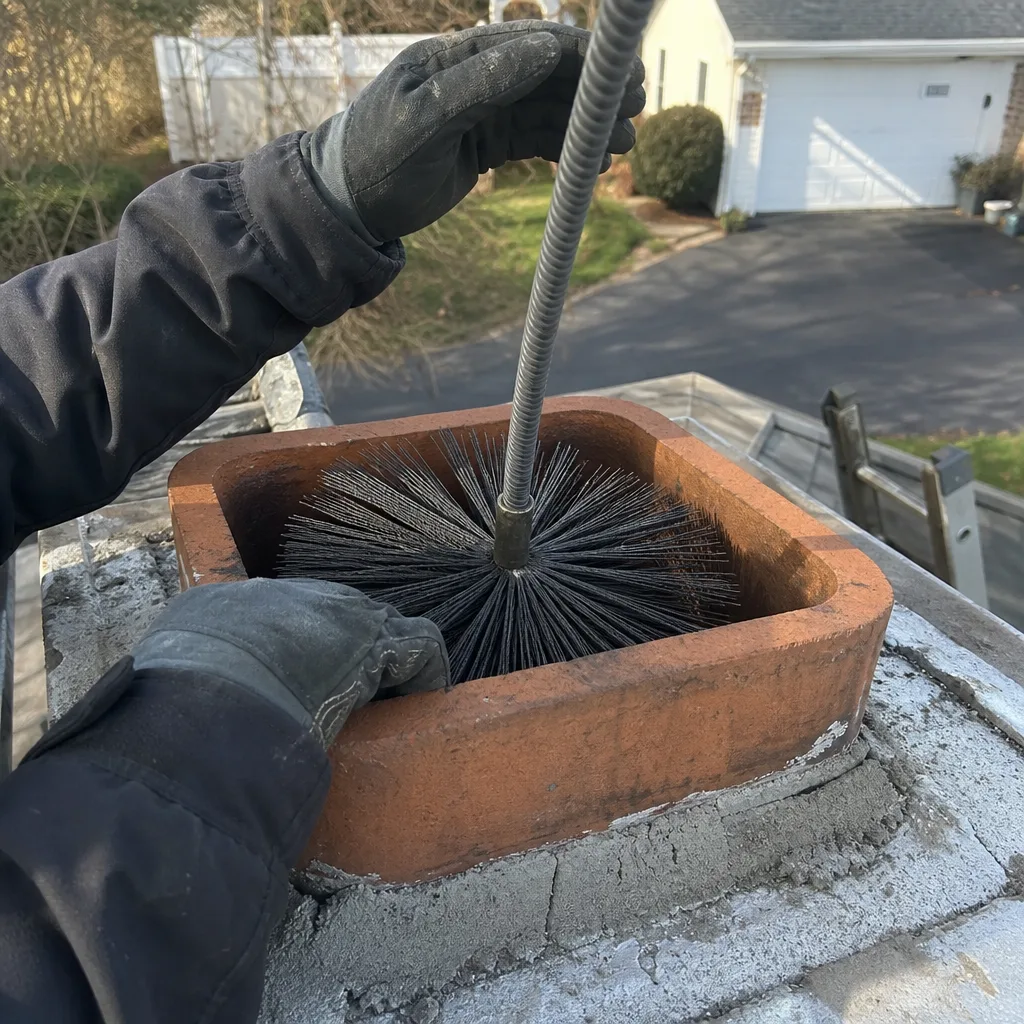
Not every Framingham home carries the same risk profile. Here is how we categorize conditions based on 38,000 inspections and cleanings since 2009.
DIY May Be Acceptable
- Modern prefab fireplace (post-2000): Factory-built metal chimney with known good condition, used fewer than five times per year for ambiance, with a prior professional inspection on file confirming liner integrity and proper installation. Annual brushing between professional evaluations is reasonable maintenance.
- Recently inspected system with documented liner condition: Any system that has had a camera inspection within 24 months showing sound liner, no glaze accumulation, and no exterior deterioration. DIY brushing maintains cleanliness between documented evaluations.
- Gas fireplace with decorative logs: These produce minimal particulate. Annual DIY vacuuming of the firebox and visual inspection of the vent termination is adequate; professional evaluation every 2-3 years is sufficient.
DIY Is a Liability
- Pre-1980 masonry construction: Clay tile liners in these homes are 40+ years old. Thermal cycling, settling, and past chimney fires have degraded many. Without camera inspection, brushing is maintenance performed blind. In neighborhoods like Saxonville and the area near Framingham State University, we regularly find pre-1960 chimneys with severely compromised liners that homeowners assumed were sound.
- Oil-to-gas conversions: When a furnace or boiler is converted from oil to gas, the flue must be evaluated for sizing and liner compatibility. Gas exhaust is cooler and more acidic; an unlined or oversized flue condenses moisture that destroys masonry. DIY brushing does not address this transition risk.
- No prior camera inspection on record: If you do not know the liner condition, you do not know what you are maintaining. This is the most common scenario we encounter. Homeowners inherit a house, assume the chimney is fine, and brush annually without ever establishing a baseline.
- Wood stoves with connector pipes: These installations involve multiple components with specific clearance and condition requirements. The connector pipe itself requires inspection; the chimney brushing does not substitute for this.
- Homes with prior chimney fire history: Even a small, undetected chimney fire can crack liners and damage masonry. Brushing after such an event without inspection is dangerous reassurance.
Framingham’s housing stock is diverse. The newer construction near Route 9 and the Golden Triangle presents different conditions than the historic homes downtown or the post-war capes in northern neighborhoods. The decision must be specific to the house, not general to the task.
What Professional Cleaning Includes in Framingham
Professional chimney cleaning in Framingham, performed to the standard we established at Level Two Chimney Framingham home, includes substantially more than brushing.
The process begins with a Level 2 inspection per NFPA 211, the national standard for chimney evaluation. This means interior video scanning of the flue with a camera system capable of illuminating and recording the full circumference of the liner surface. We document every foot. The homeowner sees what we see, in real time or via the photo record delivered with the report.
Cleaning itself uses rotary systems, powered whips, and hand tools matched to the deposit type. Class III glazed creosote, common in Framingham homes where homeowners burn unseasoned wood or restrict air supply for longer burn times, requires chemical pretreatment and mechanical removal that brush rods cannot achieve. The smoke chamber is accessed and cleaned. The firebox, damper, and throat are evaluated and serviced.
Exterior evaluation covers the crown, cap, flashing, and visible masonry. In Framingham’s climate, with annual freeze-thaw cycles and significant precipitation, water intrusion is the primary cause of structural failure. Early identification of crown cracks or flashing separation prevents costly rebuilds.
Documentation is comprehensive and written: scope of work, condition findings, photo record, and written price for any recommended repairs. This is Clause 1 and Clause 4 of the Haven Standard, practices we implemented in 2009. The photo record is archived and available for insurance, real estate, or future comparison.
Materials, when repair is needed, are sourced through our buying network from DuraFlex, HeatShield, Gelco, and other established suppliers. This keeps pricing honest and warranties intact.
The Chimney Cleaning & Sweep in Framingham service page details our full process for homeowners who want specifics on scheduling and what to expect.
The Documentation Gap: Why It Matters for Insurance and Resale
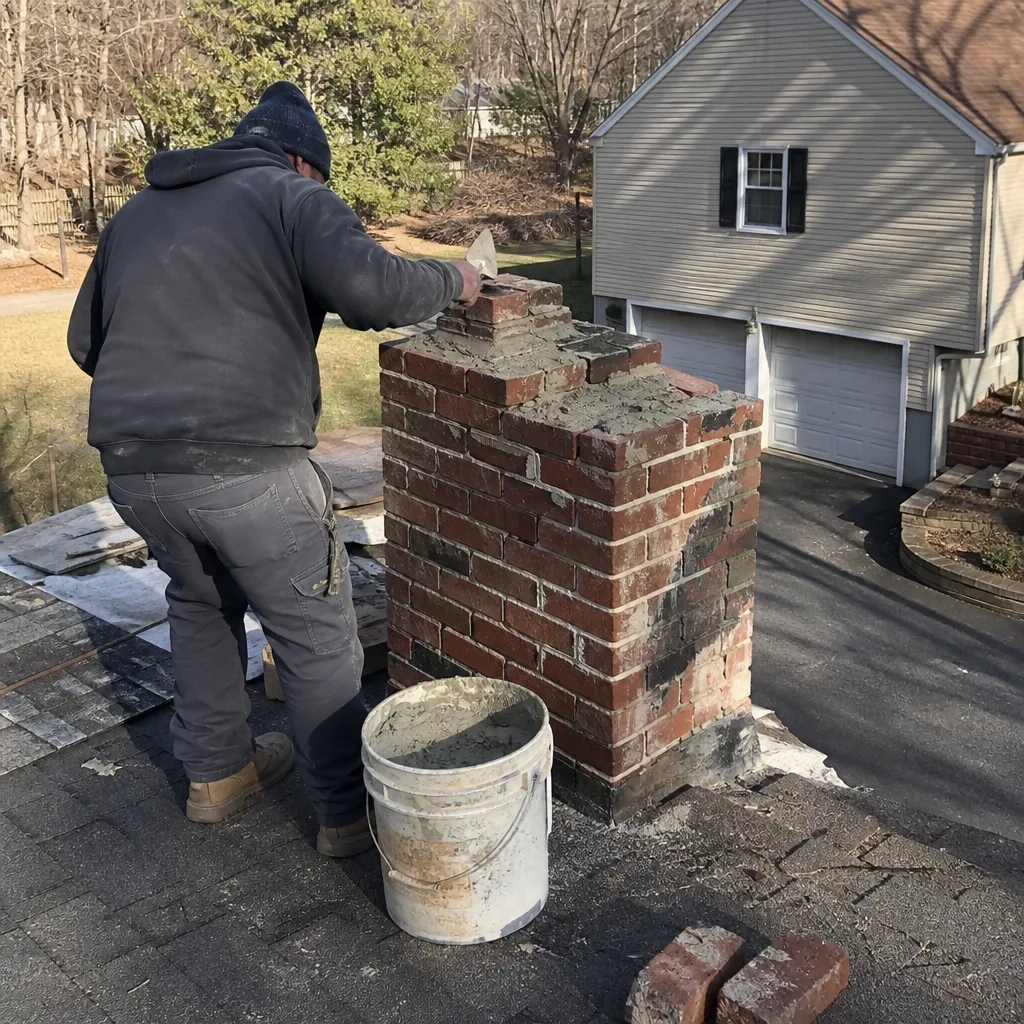
DIY chimney cleaning produces no documentation. This absence has consequences that many homeowners do not consider until they are significant.
Insurance claims: After a chimney fire or carbon monoxide incident, insurers investigate maintenance history. A claim may be denied or reduced if the homeowner cannot demonstrate professional evaluation and cleaning. “I brushed it myself every year” does not satisfy underwriters. They want dated, professional documentation of condition and service. We have been called to document conditions after incidents where the absence of professional records complicated the homeowner’s position.
Real estate transactions: In Framingham’s active market, home inspections frequently flag chimney condition. A seller with no professional inspection or cleaning records faces either price negotiation, repair credits, or delayed closing. A documented photo record from a recognized provider, with findings and any repairs noted, removes this friction. We provide these records routinely for pre-listing evaluations.
Warranty and guarantee coverage: Manufacturer warranties for inserts, liners, and appliances often require professional installation and annual professional service. DIY maintenance may void these protections.
Personal liability: If a tenant or guest is harmed by a chimney-related condition, maintenance records become evidence. The absence of professional documentation shifts exposure to the homeowner.
The cost of professional cleaning includes this documentation as standard. At Level Two Chimney Framingham, the photo record and written report are not optional add-ons. Clause 4 of the Haven Standard requires them on every job, every time.
Cost Comparison: DIY vs. Professional in the Framingham Market
Here is how actual costs compare for a typical Framingham single-family home with one wood-burning fireplace and clay tile liner-see our chimney cleaning cost breakdown for full 2026 pricing details.
| Item | DIY (First Year) | DIY (Subsequent Years) | Professional |
|---|---|---|---|
| Brush, rods, basic tools | $60-$85 | $0 | Included |
| HEPA vacuum or fine-filtration rental | $50-$100 | $50-$100 | Included |
| Drop cloths, sealing, PPE | $40-$80 | $20-$40 | Included |
| Inspection mirror, lighting | $25-$40 | $0 | Included (camera system) |
| Creosote treatment (if needed) | $20-$40 | $20-$40 | Included |
| Camera inspection and documentation | Not available | Not available | Included |
| Written condition report | None | None | Included |
| Photo/video record | None | None | Included |
| Liability/workmanship coverage | None | None | Included |
| Total | $195-$345 | $90-$180 | $250-$400 (typical Framingham range) |
The professional range varies with accessibility, deposit severity, and whether repairs are identified. What the table does not capture: the value of detected conditions. A cracked liner identified during professional service may prevent a $3,000-$8,000 rebuild or a catastrophic fire. The $100-$200 annual difference between DIY and professional cleaning is minor against this exposure.
We offer a Free Second Opinion on any written estimate from another provider. Bring us a competitor’s quote; we will review it against what we find.
Common Mistakes to Avoid
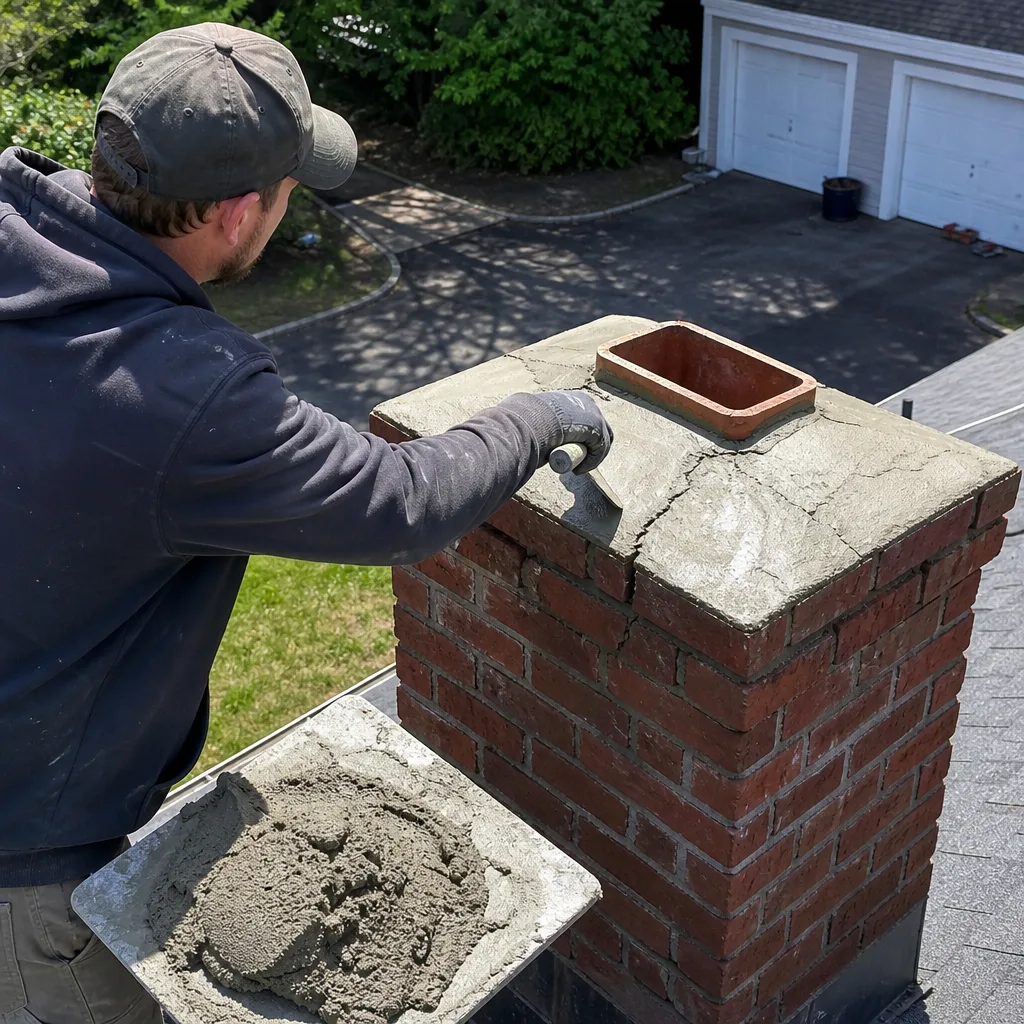
- Using the wrong brush diameter: A brush too small fails to contact flue walls; too large risks tile damage or brush entrapment. We have extracted stuck brushes from Framingham flues where homeowners guessed at sizing.
- Brushing from the roof without fall protection: Chimney work at height is genuinely dangerous. Steep pitches, ice, and moss create fall hazards. If you access the roof, use a harness and anchor system rated for the application.
- Using a standard shop vac without HEPA filtration: Fine creosote particulate passes through standard filters and contaminates living spaces. This is a respiratory hazard, particularly for children and those with asthma.
- Assuming clean-looking soot means sound construction: The flue can be brushed clean while liner cracks, crown deterioration, or exterior water damage progress unseen. Appearance is not structure.
- Ignoring the smoke chamber: This area is inaccessible to standard brush rods and is where many chimney fires begin. Professional cleaning includes smoke chamber access and evaluation.
- Failing to check Framingham permit requirements for repairs: If DIY inspection reveals conditions requiring repair, permits may be needed for liner replacement, structural rebuild, or appliance installation. The Framingham Building Department issues these; unpermitted work complicates insurance and resale.
- Not documenting anything: Even homeowners who DIY competently rarely photograph conditions, date the work, or record findings. This absence matters when circumstances change.
When to Call a Professional
Call a professional when your home matches any liability profile described above: pre-1980 construction, oil-to-gas conversion, no prior camera inspection, wood stove with connector pipe, or any history of chimney fire or suspected damage. Call when you observe smoke spillage, unusual odors, visible exterior deterioration, or changes in draft performance. Call before listing your home for sale, and call if your insurer requests documentation.
Chimney Repair in Framingham covers the conditions we most commonly identify during professional evaluations. Fireplace Services in Framingham addresses insert, gas log, and appliance-specific needs.
Level Two Chimney Framingham offers free estimates in Framingham, and our more guides & resources explain what to expect. Call (508) 850-0489. A live person answers, 24 hours a day. We will schedule a Level 2 inspection with camera documentation, deliver a written price before any work begins, and archive your photo record under Clause 4 of the Haven Standard.
Frequently Asked Questions
Professional chimney cleaning in Framingham typically ranges from $250 to $400 for a standard single-flue system, depending on accessibility, deposit severity, and whether the service includes a Level 2 camera inspection. Level Two Chimney Framingham includes the camera scan and documented photo record as standard, not as an add-on. Call (508) 850-0489 for an exact quote; estimates are free.
You can brush surface soot yourself, but without establishing baseline liner condition through camera inspection, you are maintaining a system of unknown safety status. We do not recommend DIY as the sole maintenance method for any chimney without documented professional evaluation within the past 24 months.
NFPA 211 recommends annual inspection, with cleaning as needed based on deposit accumulation. In Framingham’s heating climate, wood-burning systems used as primary heat sources often require annual cleaning; occasional-use fireplaces may extend to every 2-3 years if inspection confirms minimal buildup. The determining factor is measured creosote thickness, not calendar time alone.
Skipped maintenance allows creosote accumulation, which restricts draft and provides fuel for chimney fires. Class III glazed creosote, once formed, is extremely difficult to remove and significantly increases fire risk. Additionally, undetected liner cracks or blockages can vent carbon monoxide into living spaces. The consequences range from inefficient burning to structural fire to fatal poisoning. Call (508) 850-0489 for an inspection if your chimney is overdue.
A liner is needed when inspection reveals cracks, gaps, spalling, or displacement that compromise containment of combustion gases. Brushing does not repair liner damage; it may even worsen deteriorated conditions. We recommend nothing without camera evidence you can see yourself, and we will tell you plainly when work can safely wait. Our Free Second Opinion service lets you verify any replacement recommendation.
Most insurers require professional maintenance documentation for chimney-related coverage. DIY cleaning without professional inspection and written record may not satisfy this requirement. Check your specific policy; we provide the documentation insurers expect, including dated photo records and condition reports.
The Bottom Line
DIY chimney brushing is a maintenance task for systems already known to be sound. It is not a diagnostic procedure, and for the pre-1980 masonry homes common in Framingham, it is maintenance performed without knowledge of what needs maintaining. The $60 brush kit removes soot; it does not assess liner integrity, detect hidden blockages, evaluate water damage, or produce documentation that protects you in an insurance claim or real estate transaction. Professional service, performed to NFPA 211 Level 2 standards with camera documentation and written reporting, closes these gaps. The annual cost difference is modest against the exposure of undetected failure. For most Framingham homeowners, particularly those without recent professional evaluation, the professional path is the safer and more financially protective choice.
Written by Corrine Halstead, Owner at Level Two Chimney Framingham, serving Framingham since 2009.